
4C Hair Care Guide: Tips for Moisture, Strength, and Healthy Growth


Red hair turns heads. Always has. Whether you were born with it or chose it from a color chart, red hair carries an energy that no other shade can match. It’s fiery, bold, and undeniably beautiful. But here’s the truth red hair color also demands more attention than most people expect. 4c hair It fades faster. It dries out quicker. And without the right routine, even the most stunning red hair shades can turn dull, brassy, or lifeless within weeks.
This guide covers everything. You’ll learn about every red hair shade from strawberry blonde to deep burgundy. You’ll discover exactly how to take care of red hair the right way. You’ll find styling ideas that actually work and product picks that deliver real results. Whether you’re a lifelong redhead or thinking about making the leap, this is the only guide you need.
SHOP THIS ARTICLE
Featured products mentioned throughout this guide are linked in the shop section below. Scroll to the product spotlights for full details.
Understanding Red Hair What Makes It So Unique?
Defining Red Hair
Red hair isn’t just a color. It’s a genetic event. Natural redheads carry a variation in the MC1R gene, which tells the body to produce pheomelanin instead of eumelanin. Pheomelanin creates warm, reddish-orange pigment. Eumelanin creates darker browns and blacks.
Most people have a mix of both. Natural redheads? They’re almost all pheomelanin. That’s why natural red hair glows in sunlight the way it does there’s nothing quite like it.
Only about 1 to 2 percent of the global population has natural red hair. In the United States, that number hovers around 2 to 6 percent depending on the region, with higher concentrations in people of Irish, Scottish, and Northern European descent. Because of this rarity, natural red hair holds a cultural fascination that’s lasted for centuries. But rarity comes with responsibility. Red hair texture tends to be finer and more fragile than other hair types. It has higher hair porosity on average, meaning it absorbs moisture quickly but loses it just as fast. Understanding this is the foundation of every good red hair care routine.
What Sets Red Hair Apart?
Red hair color whether natural or dyed fades faster than any other shade. This happens because red pigment molecules are physically larger than other color molecules. They sit closer to the outer layer of the hair cuticle rather than deep inside the cortex. Every wash, every heat styling session, every hour in the sun pushes those molecules out a little more. That’s why color fade is the number one complaint among redheads and color-treated clients.
There’s also the matter of UV sensitivity. Natural redheads typically have fairer skin with less melanin overall. Sun exposure doesn’t just burn the skin it actively bleaches red hair pigment, pulling warm tones toward orange and then toward a washed-out yellow. For people with dyed red hair, UV damage is even more aggressive. Add in hard water, sulfate shampoos, and daily heat styling, and you’ve got a recipe for rapid color fade and serious hair breakage. The good news? Every single one of these problems is preventable with the right knowledge and products.
Read More About: The Ultimate Guide to Red Hair in 2026: 20 Stunning Shades for Every Skin Tone & Style
Red Hair Shades Finding Your Perfect Hue
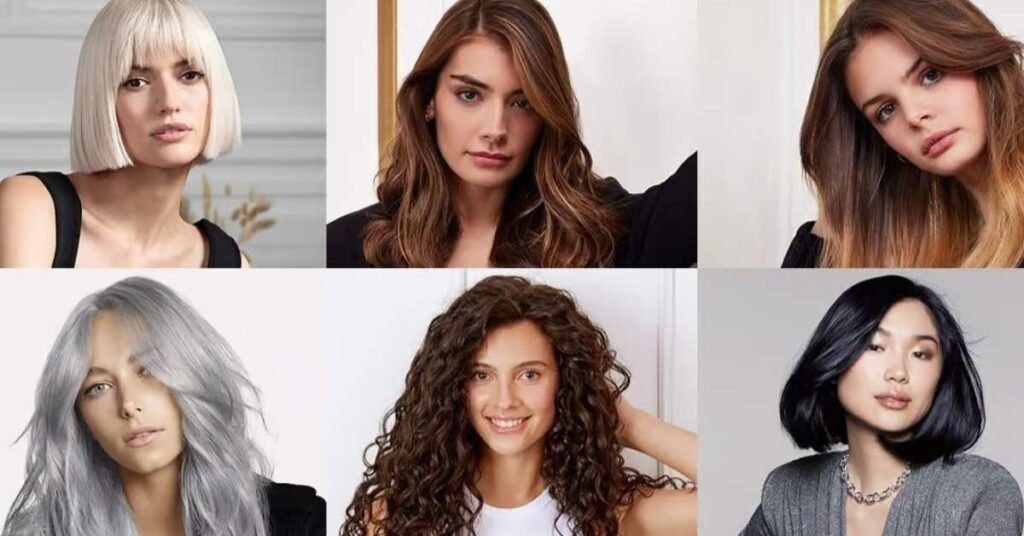
Red hair shades span a breathtaking spectrum. On one end, you have the soft, sun-kissed warmth of strawberry blonde barely red, more like golden honey kissed with rose. Move along the spectrum and you hit ginger, the classic natural redhead shade full of orange and gold. Then comes copper red hair, one of the most requested salon shades in the USA right now, rich and metallic with serious shine. Auburn hair sits deeper, blending red with rich brown for a color that reads differently in every light.
Further still is burgundy, a wine-dark red that edges toward purple, beloved for its sophistication. And at the deepest end, you have dark red hair shades like mahogany and garnet almost brown until the light hits them and reveals their secret warmth.
Choosing the right shade isn’t just about what you love on a color swatch. Your skin tone plays a huge role. Warm complexions with golden or peachy undertones look stunning in copper, auburn, and warm red tones. Cooler complexions with pink or blue undertones tend to shine in burgundy, dark cherry red, and cool red tones. If you’re unsure, a red balayage or red highlights gives you a lower-commitment way to test the waters before going all in on a full red hair color transformation.
| Shade | Best Skin Tone | Maintenance Level | Fade Rate |
| Strawberry Blonde | Fair/Light | Low | Slow |
| Ginger | Fair/Warm | Medium | Medium |
| Copper Red | Warm/Medium | Medium-High | Fast |
| Auburn | All tones | Medium | Medium |
| Bright Red | Any | High | Very Fast |
| Burgundy | Medium/Deep | Medium-High | Medium |
| Dark Cherry | Deep/Cool | Medium | Slow |
Moisture, Wash Day, and Detangling The Essentials for Red Hair
Red hair especially color-treated red hair is thirsty. Constantly. The same pheomelanin that creates that gorgeous warm tone also makes the hair shaft more prone to dryness. Add in the chemical process of coloring and you’ve got a hair type that needs serious, consistent moisture. This is why natural hair moisture retention should be your top priority. Think of your hair like a sponge. If the sponge dries out completely, it becomes stiff and starts to crack. Keep it hydrated and it stays flexible, strong, and healthy. Deep conditioning 4C hair principles specifically the idea of layering moisture and sealing it in apply directly to color-treated red hair care too.
How often should you wash red hair? For most people, two to three times per week is the sweet spot. Washing too often strips the red pigment and dries out the scalp. Washing too infrequently leads to product buildup that can dull your color. On non-wash days, a lightweight leave-in conditioner for coily hair or a fine mist of water-based refresher keeps things hydrated without disturbing your color. Always use a sulfate-free shampoo for natural hair sulfates are essentially detergents that aggressively strip color. One wash with a sulfate-heavy product can set your red hair dye back weeks.
Wash Day Done Right for Red Hair
Your wash day routine for red hair doesn’t need to be complicated. Start with a pre-poo treatment applying oil to dry hair before washing. Best oils for red hair include argan oil, jojoba oil, and rosehip oil. These oils create a barrier that slows moisture loss during the washing process. Massage the oil through your lengths and ends, leave it for 20 to 30 minutes, then shampoo. Use your sulfate-free shampoo and focus on the scalp. Let the suds run down the lengths without scrubbing. Rinse with lukewarm water.
Then comes the most important step of your wash day routine for red hair conditioning. Apply a generous amount of deep conditioner from mid-length to ends. Cover with a plastic cap and apply gentle heat for 20 to 30 minutes. Heat opens the hair cuticle and allows the conditioning ingredients to fully penetrate. Rinse with cold water. This is non-negotiable. Cold water seals the cuticle shut, locking in the conditioner’s benefits and physically trapping your red pigment inside the hair shaft. It’s the single easiest thing you can do to slow color fade and it costs nothing.
10 Ways To Care For Red Hair (That Actually Work)

Great red hair care isn’t about doing one thing perfectly. It’s about doing ten things consistently. The difference between redheads who maintain gorgeous, vibrant color for months and those who watch it fade in weeks almost always comes down to routine. Here’s exactly how to take care of red hair at every step, whether your color is natural or from a box.
How to keep red hair moisturized all week is the question every redhead asks. The answer lives in your routine. Think daily, weekly, and monthly. Daily, you’re protecting and refreshing. Weekly, you’re deep treating and replenishing. Monthly, you’re strengthening and rebalancing. Layer those three levels consistently and your red hair will thrive.
1. Switch to a sulfate-free, color-safe shampoo immediately. Sulfates strip red hair dye from the shaft aggressively. A sulfate-free shampoo for natural hair cleans without compromising color.
2. Deep condition every single week. This is the most important item on this list. Deep conditioning red hair properly means using heat, giving the product time to penetrate, and rinsing with cold water. Don’t skip it.
3. Apply a UV protection hair spray before going outside. Sun is one of the biggest causes of red hair color fade. UV-filtering sprays and leave-ins create a protective barrier. Many are lightweight enough to use daily.
4. Use heat tools on the lowest effective setting. Heat damage accelerates color fade and weakens the hair shaft. Always use a heat protectant before any heat styling. Never skip this step.
5. Rinse with cool or cold water every time you shower. Hot water blasts the hair cuticle open and sends red pigment straight down the drain. Cold water keeps the cuticle sealed.
6. Add a color-depositing conditioner to your routine. Use it every two to three washes in place of your regular conditioner. It deposits a small amount of red pigment back into the hair with every use, dramatically extending the life of your color.
7. Trim your ends every six to eight weeks. Red hair ends tend to split and fray faster than other types due to the hair’s porosity and fragility. Fresh ends look healthier and hold color better.
8. Sleep on a silk or satin pillowcase. Cotton pillowcases create friction overnight that leads to hair breakage prevention failures literally tugging strands and roughing up the cuticle. Silk and satin let hair glide smoothly.
9. Protect your hair in the pool. Chlorine is brutal on red hair dye. It strips pigment rapidly. Always wet your hair with clean water before swimming and apply a leave-in or oil as a barrier. Better yet, wear a swim cap.
10. Extend time between color appointments. Over-processing is one of the fastest ways to destroy red hair. The more chemical services you do, the more the hair cuticle is damaged. Give your hair time to recover between colorings.
Protective Styles for Red Hair
Protective styles for red hair serve a dual purpose. They reduce daily manipulation which means less friction, less breakage, and less color rubbing off on your clothes and pillowcase and they let your hair rest. The principles behind protective styles for 4C hair translate perfectly here. Low tension, ends tucked away, minimal daily styling. For redheads, protective styling also means less exposure to environmental damage like wind, sun, and dry air. All of those elements accelerate color fade and moisture loss.
How to retain length with red hair largely comes down to how gently you treat your ends. The ends of your hair are the oldest, most processed part of the strand. They need the most protection. Keeping them moisturized, tucked away in protective styles, and free from daily heat exposure is what allows length retention to happen over time. Think of protective styling not as a sacrifice of style but as an investment in the long-term health and vibrancy of your red hair color.
Recommended Red Hair Styles to Try
Loose braids are perfect for overnight wear. They protect your ends, prevent tangling, and can create beautiful natural waves by morning. Buns and updos are your best friends on high-manipulation days. A sleek low bun or a messy high bun keeps your ends protected without requiring heat. Silk-wrapped styles overnight take the bun one step further wrap your hair loosely, secure with a silk scarf, and your color and moisture stay locked in until morning. Low-tension ponytails with fabric-covered ties prevent the kind of mechanical breakage that elastic bands cause. Twist-outs and braid-outs on wavy red hair create gorgeous definition without any heat at all.
Common Myths About Red Hair

Myths about red hair have circulated for centuries. Some are harmless. Some are genuinely damaging because they lead people to give up on their red hair care routine before they’ve given it a real chance. Let’s set the record straight on the most persistent ones. Understanding the truth behind these myths is part of how to maintain healthy red hair long-term.
The biggest myth of all? That red hair simply can’t be maintained. That it’s destined to fade, that it requires constant expensive salon visits, and that caring for it at home is pointless. None of that is true. With the right products and consistent routine, red hair whether natural or color-treated can stay vibrant, strong, and stunning for months between salon visits.
“Red Hair Fades Instantly and Can’t Be Maintained”
This myth persists because so many people experience rapid red hair color fade early on usually because they’re still using the wrong products. Yes, red fades faster than most other colors. That’s just chemistry. But “faster” doesn’t mean “immediately.” With a sulfate-free shampoo, weekly deep conditioning, cold rinses, UV protection, and a color-depositing conditioner, most people can extend their color by four to six weeks beyond what they’d experience without those steps. That’s a significant difference in both vibrancy and cost.
“You Can’t Go Red If You Have Dark Hair”
Dark-haired people can absolutely go red. The process is different and more involved it typically requires pre-lightening (bleaching) the hair first to remove the existing dark eumelanin pigment before the red hair dye can show up properly. Without pre-lightening, red dye on dark hair often reads as a very subtle reddish tint in sunlight rather than a true red hair color. The level of lightening needed depends on your starting color and your target red shade. A professional colorist can walk you through the process and help you avoid the kind of over-processing that causes serious hair breakage.
“Natural Redheads Don’t Need Special Care”
This is perhaps the most dangerous myth because it leads natural redheads to skip the care steps that would genuinely protect their hair. Natural red hair is actually more fragile than most people realize. Its hair porosity is typically higher, meaning it loses moisture rapidly. Its finer texture makes it more susceptible to hair breakage from brushing, heat, and chemical services. And its pheomelanin-heavy composition makes it more vulnerable to UV damage than darker hair types. Natural redheads need every single one of the care steps outlined in this guide arguably even more consistently than those with dyed red hair.
Find Your Styling Temperature for Red Hair
Temperature control is one of the most overlooked aspects of red hair care. Most people just crank their tools to the highest setting out of habit. For color-treated red hair, that’s a serious mistake. High heat doesn’t just damage the hair shaft it actively accelerates color fade by forcing open the hair cuticle and releasing pigment molecules with every pass of the tool. How to maintain healthy red curls and waves starts with understanding that lower temperatures, used consistently, produce better long-term results than high heat used occasionally.
The right temperature for your hair depends on your specific hair type. Fine or already-damaged red hair should never exceed 300°F. Medium-thickness red hair sits safely in the 300°F to 350°F range. Thick or coarse red hair can handle up to 400°F, but even then, starting lower and only increasing if needed is always the smarter approach. Always always apply a heat protectant before any hot tool touches your hair.
| Hair Type | Safe Styling Temperature | Recommended Tools |
| Fine/Damaged Red Hair | 250°F – 300°F | Low-heat straighteners, diffusers |
| Medium Red Hair | 300°F – 350°F | Standard flat irons, blow dryers |
| Thick/Coarse Red Hair | 350°F – 400°F | Professional-grade tools |
| Wavy/Curly Red Hair | 275°F – 325°F | Diffusers, curling wands |
SHOP
Introducing the New Range Built for Red Hair
The right tools make a measurable difference in the health of color-treated red hair. Variable temperature straighteners, ionic blow dryers that reduce frizz without stripping moisture, and curling wands with ceramic barrels that distribute heat evenly these aren’t luxury extras. They’re investments in protecting your color and your hair’s structural integrity. Shop Straighteners, Shop Dryers, and Shop Curlers in the store section. Curated Bundles designed specifically for red hair care routines are also available, combining the tools and products that work best together.
Read More About: Hair Styles That Will Dominate 2026: 35 Chic, Age-Defying Cuts & Modern Looks
Creating a Red Hair Routine That Works for You
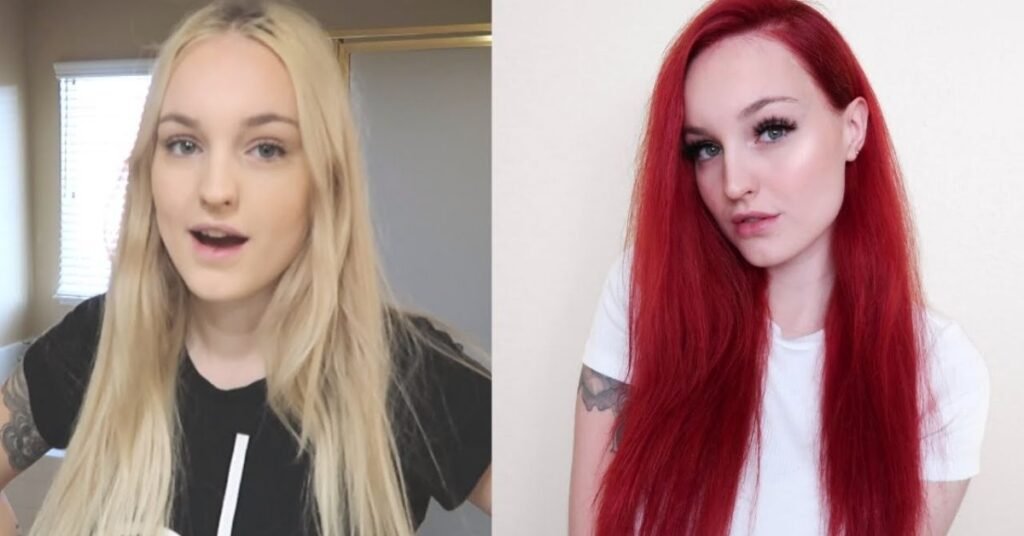
The best routine for red hair growth and moisture isn’t a one-size-fits-all formula. It’s built around your specific hair its thickness, its porosity, whether it’s natural or dyed, how often you style it, and what your lifestyle actually allows for. A college student with 20 minutes in the morning needs a different approach than someone who works from home and has an hour for their wash day routine. The goal is to create something sustainable. A perfect routine you do halfway is worth less than a simpler one you follow consistently.
Beginner guide to red hair care starts here: know your hair. Before you buy a single product, assess what you’re working with. Is your red natural or dyed? Is your hair fine or thick? Does your scalp run oily or dry? Do you style with heat daily or rarely? Answering these questions first means every product and every step you add to your routine is actually serving your specific needs rather than someone else’s.
Steps to Build a Solid Red Hair Routine
Identify your hair’s needs.
Natural vs. color-treated, fine vs. thick, dry vs. oily scalp. Be honest about what your hair actually needs rather than what you wish it needed.
Build your core product shelf.
Every red hair care routine needs five basics: a sulfate-free, color-safe shampoo, a hydrating conditioner, a weekly deep conditioning mask, a leave-in conditioner, and a heat protectant. These five products handle 80 percent of your hair’s needs.
Set your wash schedule. Most red hair types do best washing every two to three days. Dry scalp types can stretch to every four to five days. Oily scalp types may need to wash more frequently but should still use sulfate-free formulas.
Add monthly treatments.
A protein treatment every four to six weeks rebuilds the strength of chemically processed red hair. It fills in gaps in the hair cuticle left by coloring and heat styling, restoring resilience and reducing hair breakage.
Incorporate a color-depositing product.
Every two to three washes, swap your regular conditioner for a color-depositing conditioner in a red or copper tone. This continuously refreshes your red hair color without chemical processing.
Red Hair Styling Ideas From Everyday to Editorial
Red hair is one of those shades that can genuinely pull off almost any style. The color itself is so striking that even a simple, unfussy look becomes something special. But styling smartly in a way that enhances your color rather than degrading it takes a little know-how. How to stretch red hair without damage is a question that applies whether you’re trying to minimize shrinkage in naturally wavy red hair or simply want sleek, smooth results without frying your strands.
The key to gorgeous red hair styling every time is starting with the right foundation. Moisturized, well-conditioned hair styles more easily, holds style longer, and looks healthier in every finish whether that’s pin-straight, beach-wavy, or fully curly. Never style dry, dehydrated red hair. Always start with moisture.
Some Tips for Styling Red Hair
Add moisture first. Before reaching for any styling tool or product, your hair needs to be hydrated. Apply a lightweight leave-in conditioner to damp hair and let it absorb for a few minutes. This creates the foundation for any style.
Try the LOC Method for Red Hair. The LOC method originally developed for coily hair maintenance works beautifully on red hair too, especially for wavy and curly red hair types. Here’s how it works:
L Leave-in conditioner. Apply a water-based leave-in conditioner first. This delivers direct moisture to the hair shaft.
O Oil. Follow with a lightweight oil argan oil, jojoba oil, or rosehip oil all work brilliantly for red hair. The oil seals the moisture in and adds shine.
C Cream. Finish with a styling cream or butter that locks everything in and provides hold, definition, or smoothness depending on your style goal.
Red Hair Styles To Try
Beachy waves are the ultimate copper red hair look. Use a large-barrel curling wand at a medium temperature, wrap sections loosely, and shake out gently. The warm, undone texture complements copper and auburn shades perfectly.
Sleek straight is made for dark red hair and burgundy. A flat iron at the right temperature with a ceramic or tourmaline plate creates a mirror-like shine that shows off the depth of dark red hair shades beautifully.
Voluminous blowout is the signature look for strawberry blonde. Use a round brush, a quality ionic dryer, and a volumizing mousse applied before drying. The lighter strawberry blonde shade catches light beautifully when there’s lift and movement at the roots.
Half-up, half-down works on absolutely every red hair shade. It’s effortless, romantic, and shows off your length and color simultaneously. Twist the top section loosely, secure with a fabric tie, and let a few face-framing pieces fall naturally.
Textured curls on natural wavy red hair are genuinely stunning. Apply a curl-enhancing cream and a small amount of curl gel oil to damp hair, scrunch upward, and diffuse on low heat. The result is bouncy, defined curls with zero damage.
Bold fringe is a statement move that pairs beautifully with bright red hair. A blunt fringe cut just above the brow, styled smooth or with a slight curve, brings incredible drama. The contrast between the sharp fringe and the bright red color is genuinely striking.
What Products Work Best for Red Hair?
Choosing the right products is genuinely half the battle when it comes to red hair care. The market is flooded with options, but most generic formulas aren’t designed with red hair’s specific needs in mind. You need products that clean gently, hydrate deeply, protect color actively, and strengthen without weighing hair down. Here’s what to look for and what specifically works.
What products are good for red hair type? Look for formulas that specifically call out color protection or color-safe on the label. Check ingredient lists for hydrolyzed protein, panthenol, glycerin, and natural oils these are the ingredients that genuinely support red hair’s moisture and strength needs. Avoid anything with sulfates, alcohol denat high on the ingredient list, or harsh silicones that build up on the hair cuticle over time.
LOVE Curl Cleansing Cream
The LOVE Curl Cleansing Cream is a standout option for red hair particularly for wavy and curly red hair types. It cleanses without stripping, meaning it removes product buildup and environmental residue without pulling your red pigment out with the rinse water. The formula is rich in moisturizing ingredients that leave hair feeling soft and hydrated post-wash rather than squeaky and tight. It’s the kind of product that makes wash day feel like a treatment rather than a chore. Use it on damp hair, work it through from roots to ends, and rinse with cool water.
Color-Depositing Conditioner
A color-depositing conditioner is the single most effective at-home tool for fighting red hair color fade. The concept is simple the conditioner contains micro-pigments in red, copper, or auburn tones that deposit onto the hair shaft during the conditioning process. Over time, these deposits accumulate and keep your color looking fresh and vibrant between salon visits. Use it every two to three washes. Leave it on for five to ten minutes before rinsing. The longer you leave it, the more deposit you get so if your color has faded significantly, try leaving it on for up to 20 minutes with a processing cap.
Curl Gel Oil
The Curl Gel Oil is a dual-function product that delivers both hold and moisture something that most styling products force you to choose between. For wavy and curly red hair, it creates definition and bounce without the stiff, crunchy finish that traditional gels leave behind. The oil component keeps the hair cuticle smooth, which means better shine and better red color reflection. Apply it to damp hair after your leave-in conditioner, scrunch upward to encourage your natural wave pattern, and either air dry or diffuse on low. The result is soft, defined, vibrant-looking red hair with all-day hold.
How Can I Tell If My Red Is Fading?
Red hair color fade happens gradually and then suddenly, it seems like it happened all at once. The early signs are subtle. Your red hair starts looking less saturated. The warmth fades first, leaving behind orange undertones where there was once rich copper or auburn. Then the orange fades to a dull, washed-out peachy tone. On bright red or burgundy, fading often shows up as visible brassiness or a pink-orange cast.
Why 4C hair is dry and how to fix it shares common ground with why red hair fades both come down to hair porosity and the hair cuticle’s ability to hold onto what’s put inside it. For red hair, the fix starts at wash day. Switch to a sulfate-free shampoo. Add a color-depositing conditioner. Rinse cold. Use a UV spray daily. If brassiness has already set in on red hair, a toning treatment either a purple or blue toning shampoo used once a week can neutralize unwanted warm tones and restore vibrancy while you rebuild your color with a color-depositing conditioner.
Common Red Hair Struggles and Solutions
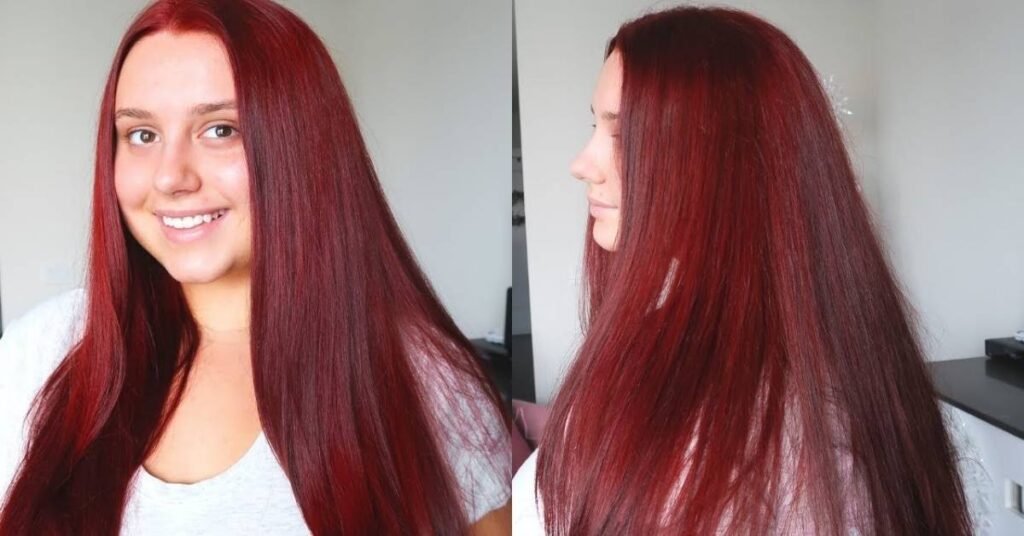
Every redhead natural or color-treated faces specific, recurring challenges. Knowing what’s coming and having a solution ready before it becomes a problem is what separates well-maintained red hair from hair that constantly looks like it needs a salon visit. Here are the most common struggles and exactly what to do about them.
Tips to prevent breakage in red hair start with understanding that red hair’s fragility isn’t inevitable. It’s largely a product of how the hair is treated. Gentle detangling, consistent moisture, and reducing mechanical stress from brushing, tight styles, and heat tools make a profound difference in hair breakage prevention over time.
| Struggle | Cause | Solution |
| Fast color fade | Sulfates, heat, UV, hot water | Sulfate-free shampoo, cold rinse, UV spray |
| Brassiness/orange tones | Color fading unevenly | Blue or purple toning shampoo weekly |
| Dryness and breakage | High porosity, chemical processing | Weekly deep conditioning + protein treatment |
| Frizz | Cuticle damage, humidity | Anti-humidity serum + LOC method |
| Heat damage | Excessive heat without protection | Lower temps + heat protectant always |
| Scalp sensitivity | Fragrances, sulfates | Fragrance-free, gentle sulfate-free shampoo |
| Split ends | Lack of trims, mechanical damage | Regular trims every 6-8 weeks |
| Color bleed on pillowcase | Freshly dyed hair not sealed | Rinse thoroughly after coloring, use cold water |
IN THE PRESS
Red hair care and color expertise featured in leading beauty publications. See our press section for the full list of features and mentions.
DISCOVER DOUX YOU
The Doux Difference isn’t just about products. It’s about a philosophy that every hair type deserves formulas built specifically for its needs. Why The Doux works for red hair comes down to its commitment to moisture, color protection, and ingredient integrity. When a brand understands hair porosity, cuticle health, and color molecule behavior, the products it creates actually do what they claim to do. Explore the full Doux range and find what your red hair has been missing.
Does Madison Reed Work for Red Hair?
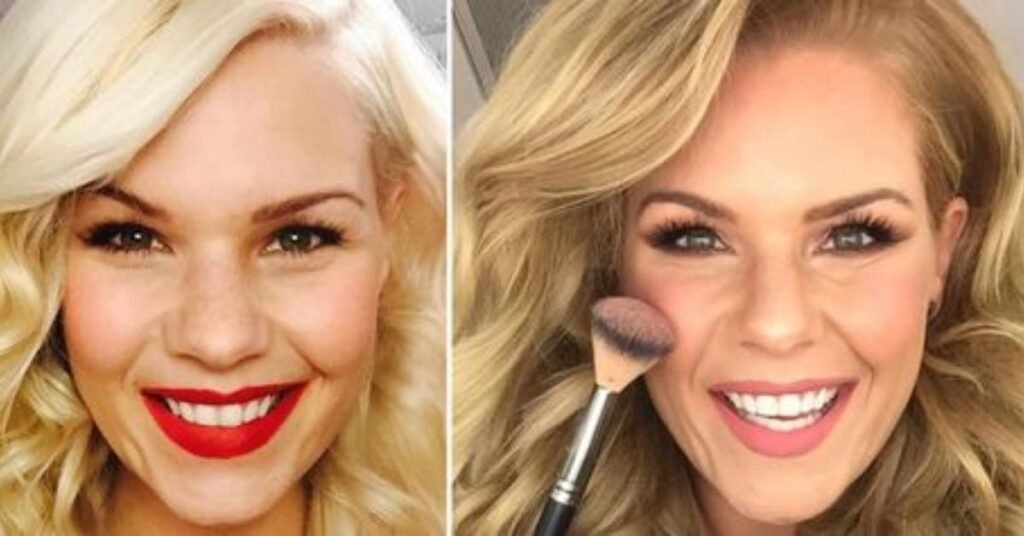
Madison Reed has become one of the most talked-about at-home hair color brands in the USA and for good reason. Their formulas are free from harsh chemicals like ammonia, resorcinol, and PPD that can cause significant irritation and damage. For red hair, specifically, their range of red and auburn shades is impressive. From light copper to deep mahogany, there’s a shade for almost every skin tone and starting hair color.
Compared to salon coloring, Madison Reed sits in a genuinely excellent middle ground. It’s more affordable, more convenient, and less damaging than many traditional box dyes. The results aren’t quite identical to a professional colorist with custom-blended color but for maintenance between salon visits, for root touch-ups, or for those who prefer to color at home, it’s one of the best options currently on the market in the USA. Their Radiant Cream Color line is the most popular for red shades and includes built-in conditioning agents that help protect hair health during the coloring process.
Final Thoughts on Your Red Hair Journey
Red hair in every shade, every texture, and every variation is worth caring for. The extra effort it demands isn’t a burden. It’s a practice. A ritual. A daily and weekly commitment to something that makes you feel like yourself, or like the most vibrant version of yourself you’ve been wanting to become. Every cold rinse, every deep conditioning session, every UV spray application adds up. The results are cumulative, and they’re real.
How to maintain healthy red hair isn’t a mystery. It’s a system. Build your routine around moisture, protection, and gentle handling. Use the right products. Give your hair time to respond to consistent care because it will respond. Within weeks of switching to a proper red hair care routine, most people see a noticeable difference in vibrancy, softness, and strength. Within months, the transformation can be dramatic.
So whether you’re a natural redhead learning to work with your hair’s unique properties, or someone who fell in love with a copper red color in a salon and wants to keep it looking that way for as long as possible the tools, knowledge, and products are all here. Your red hair journey starts now.
LOVE CURL Cleansing Cream Featured Product Spotlight
The LOVE CURL Cleansing Cream is formulated for waves, curls, and color-treated hair that needs gentle, thorough cleansing without moisture loss. Key ingredients include aloe vera for hydration, glycerin for moisture attraction, and natural botanical extracts that support a healthy scalp environment. It’s free from sulfates, parabens, and artificial colorants making it ideal for red hair where color protection is a priority. Use it two to three times per week on damp hair, work into a light lather, and rinse with cool water for the best results.
This Is a Curl Gel Oil Featured Product Spotlight
The Curl Gel Oil combines the hold of a traditional styling gel with the moisturizing benefits of natural oils. For red hair with wave or curl texture, this is a game-changer. It defines without crunch, moisturizes without greasiness, and adds a shine that makes red hair color pop. Key ingredients include castor oil for hold and strength, argan oil for shine and cuticle sealing, and aloe vera for lightweight hydration. Apply to damp hair post-cleansing, scrunch upward to encourage your natural pattern, and diffuse or air-dry for gorgeous, frizz-free results.
FAQ’s
How do I know if my red hair shade is natural or has faded?
Natural red hair shades have a consistent warmth from root to tip and don’t show visible demarcation lines. Faded color-treated red hair typically looks brighter at the roots (where new color or natural growth shows) and more orange or muted toward the ends.
What does red hair mean genetically?
Red hair results from a variation in the MC1R gene that causes the body to produce pheomelanin the warm, reddish-orange pigment instead of the darker eumelanin. Both copies of the variant typically need to be present for someone to have fully natural red hair, which is why the trait is relatively rare.
What hair color is rarest in the USA?
Natural red hair is the rarest hair color in the USA, occurring in an estimated 2 to 6 percent of the population. Globally, it’s even rarer at 1 to 2 percent. The highest concentrations of natural redheads are found in populations of Irish and Scottish descent.
Does Madison Reed do red hair color?
Yes. Madison Reed offers a wide range of red, copper, and auburn hair color options in their permanent and semi-permanent lines. Their formulas are free from ammonia and other harsh chemicals, making them a gentler option for color-treated red hair maintenance at home.
How do I stop my red hair dye from fading so fast?
Use a sulfate-free shampoo exclusively. Rinse with cold water every time. Apply a UV protection spray daily. Add a color-depositing conditioner every two to three washes. Avoid excessive heat styling. These five steps alone can extend the life of your red hair dye by four to eight weeks.
Can I go red without bleaching my hair?
It depends on your starting color. Light to medium brown hair can often achieve a visible auburn or dark red result without bleaching. Darker brown or black hair will likely require pre-lightening to achieve a true red hair color result. A professional colorist can assess your starting point and advise the best approach.
conclusion
Red hair demands attention but it rewards every bit of effort you put in. Whether you’re rocking natural ginger, freshly dyed copper red, or a rich burgundy, the right routine makes all the difference. Stick to your sulfate-free shampoo, deep condition weekly, rinse cold, and protect your color from heat and UV damage. Do those things consistently and your red hair color will stay vibrant, strong, and stunning far longer than you’d expect.
Your red hair is worth it. Every cold rinse, every deep conditioning session, every smart styling choice adds up to hair that genuinely turns heads. Start with the basics, build your routine around your specific hair’s needs, and give it time. The results will speak for themselves.


