
Haircuts for Thin Fine Hair 2026 The Best Volume Styles That Actually Work


There’s a particular kind of frustration that comes with having thin, fine hair and if you’ve lived with it, you know exactly what it feels like. You spend time at the salon, leave feeling transformed, and then wake up the next morning to hair that has completely lost its volume, fallen flat against your scalp, and looks like a deflated version of what you saw in the mirror just hours ago. For decades, people with fine hair were essentially told to accept this reality, work around it with dry shampoo and teasing combs, and manage their expectations about what their hair could realistically achieve. In 2026, that narrative has been completely and wonderfully dismantled.
The beauty and hairstyling industries have undergone a genuine revolution in how they understand, approach, and celebrate fine hair. Cutting techniques, product formulations, styling tools, and color methods have all advanced to a point where thin fine hair is no longer a limitation it’s a canvas with its own distinct set of possibilities, and the stylists who understand those possibilities are creating genuinely stunning results. The haircuts specifically designed for fine hair in 2026 don’t just minimize the appearance of thinness they actively create the illusion of fullness, movement, and vitality that was previously thought impossible without extensions or volumizing treatments.
What makes this moment so exciting is that the trend conversation in 2026 has shifted from “how do you hide fine hair” to “how do you make fine hair the most beautiful version of itself.” Volume-building haircuts, strategic layering techniques, precision blunt cuts, and texture-enhancing styles are all having major cultural moments right now and the majority of them work particularly brilliantly on fine hair. Whether your hair is naturally thin, has experienced thinning due to hormonal changes, post-pregnancy hair shifts, or simply the natural evolution of aging, this guide is your comprehensive, expert-backed resource for understanding which styles genuinely deliver on their volume promises in 2026.
Read More About: Haircuts for Long Hair 2026 The Most Stunning Layered Styles Transforming the Beauty World
Latest Trends in Haircuts for Thin Fine Hair in 2026
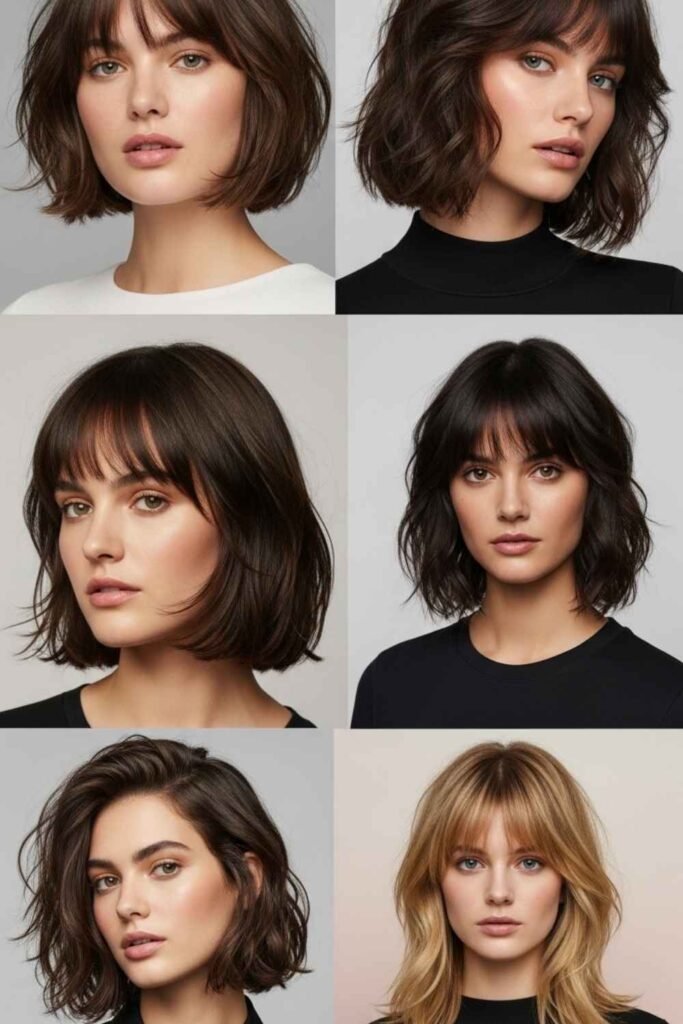
The overarching trend narrative for fine hair in 2026 can be summarized in two words: intentional structure. For years, the dominant advice for fine hair focused primarily on what to avoid don’t go too long, don’t layer too heavily, don’t add too much product. The 2026 approach flips this entirely, focusing instead on what specific structural elements of a haircut actively create the perception of volume and fullness, and then deliberately designing cuts around those elements.
One of the most significant trends reshaping fine hair styling is the return of the precision blunt cut but not the heavy, one-dimensional blunt cuts of previous decades. The 2026 precision blunt cut is a refined, technically sophisticated approach that removes weight unevenly from the interior of the hair while maintaining a perfectly clean, sharp perimeter line. The visual effect of this technique is remarkable: the blunt exterior line creates the optical illusion of density and thickness, while the interior work ensures the hair doesn’t become heavy and limp. Stylists at the forefront of this trend are calling it “structured blunting,” and it’s generating enormous excitement among both professionals and clients with fine hair.
The textured bob is another defining trend for fine hair in 2026. As the bob continues its multi-year reign as one of the most universally beloved haircuts, its fine-hair-specific iterations have become increasingly sophisticated. Today’s textured bobs for fine hair incorporate interior layers, point-cut ends, and subtle graduation techniques that together create a look that is simultaneously voluminous and effortlessly stylish. The textured element is crucial smooth, flat bobs on fine hair can look limp and emphasize the hair’s thinness, while textured versions catch light and create the impression of density that fine hair owners crave.
The “volume-first layering” philosophy is perhaps the most transformative conceptual trend of 2026 for fine hair. Traditional layering on fine hair was often approached cautiously because removing length through layers risks making already-thin hair look even more sparse. Volume-first layering reverses this concern by focusing exclusively on layers that build visual bulk at the top and through the crown, while preserving length at the perimeter where density matters most for the overall silhouette. When executed correctly, this approach gives fine hair a genuinely full appearance that photographs beautifully and holds up throughout the day.
Fringe is also experiencing a significant renaissance as a volume-creating tool for fine hair in 2026. Textured, piece-y bangs particularly the curtain bang style that continues to dominate create a focal point at the face while simultaneously making the hair appear denser at the front. Because bangs cover the hairline, they eliminate one of the most telltale signs of thin hair the visible scalp at the front and create the impression of a full, lush head of hair. The 2026 fringe for fine hair is deliberately undone and textured rather than blunt and precise, which further enhances the fullness illusion.
Best Volume Styles for Thin Fine Hair in 2026
The Precision Blunt Bob The Ultimate Fine Hair Cut
If there is a single haircut that the fine hair community has collectively declared their savior in 2026, it is the precision blunt bob. Sitting anywhere from the jaw to the collarbone, the blunt bob works for fine hair for a very specific structural reason: the clean, even perimeter line created by a blunt cut maximizes the apparent density of the hair by showing the maximum number of hair strands at the same length simultaneously. When light hits a blunt-cut edge, all the hairs reflect it together, creating a visual impression of weight and fullness that graduated or layered ends simply cannot match. The 2026 version of this cut incorporates subtle interior refinement slight graduation at the nape, minimal interior layering that prevents the heaviness and triangle shape that older blunt bobs could produce. The result is a cut that looks architecturally perfect, photographically stunning, and genuinely full regardless of the actual density of the hair.
The Textured Lob with Internal Layers
For those who want length without sacrificing the volume-creating benefits of structural cutting techniques, the textured lob a long bob hitting at or just below the collarbone with carefully placed internal layers is one of the most exciting options for fine hair in 2026. The key distinction between this cut and traditional long-hair layering is where the layers live. Rather than cascading from the crown downward across the entire head, the layers in this style are concentrated in the interior and mid-section of the hair, hidden beneath a clean surface layer that maintains the volume-maximizing blunt perimeter line. The result appears full and dense from the outside while the internal layers prevent the heaviness and flatness that long one-length hair can develop in fine textures.
The Volumizing Pixie Cut
The pixie cut has always been one of the most transformative options for fine hair, and its 2026 iteration takes this potential to a new level. Modern volumizing pixies for fine hair are longer and more textured than the closely cropped versions of previous decades, featuring significant length on top often 3-5 inches that can be styled upward and outward with minimal product for maximum visual impact. The sides are kept shorter but not severely so, creating a gradual transition rather than a harsh contrast. When blown dry with a round brush using upward motion, the top section of a volumizing pixie on fine hair creates extraordinary lift that makes the hair appear several times denser than it actually is. This is genuinely the highest-volume-to-hair-density ratio achievable with any haircut, and in 2026, its growing popularity reflects a broader cultural confidence among those with fine hair in embracing shorter, bolder styles.
The Layered Bob with Lifted Crown
The layered bob specifically designed to create crown volume is one of the most technically sophisticated offerings in the fine hair haircut landscape of 2026. Unlike general-purpose layered bobs, this style is engineered with a very specific objective: creating density and lift precisely at the crown, where fine hair most commonly appears flat. The layers begin at the crown and are cut using techniques that encourage the hair to stand slightly away from the scalp rather than falling against it a quality called “root lift” in professional parlance. Combined with a slightly shorter nape and longer front sections, this bob creates a beautiful oval silhouette that looks full from every angle.
The Shaggy Bob for Fine Hair
The shag cut has been adapted specifically for fine hair in 2026, and the results are exciting. Traditional shag cuts were sometimes considered risky for fine hair because of the amount of weight they remove but the fine hair shag of 2026 approaches the technique differently. Rather than removing significant length through visible layer breaks, the fine hair shag uses micro-texture cutting techniques and careful graduation to create the movement and visual interest of a shag without the thinning effect of traditional heavy layering. The result is a bob-length or lob-length cut with all the personality and textural richness of a shag, but with the retained density that fine hair requires.
The Curtain Bang Bob Combination
As mentioned in the trend section, curtain bangs are having a massive moment for fine hair in 2026, and their combination with a bob or lob creates one of the most volume-forward looks available. The curtain bangs create immediate fullness at the front of the hairline, framing the face with a thick-looking fringe while sweeping to either side in a way that creates horizontal width and the impression of density. Combined with a blunt or lightly textured bob beneath, the curtain bang bob gives fine hair owners a look that appears full, modern, and deliberately styled and it’s one of the most photographed styles on fine hair social media content in 2026.
Seasonal Colors & Combinations That Create Volume for Fine Hair in 2026
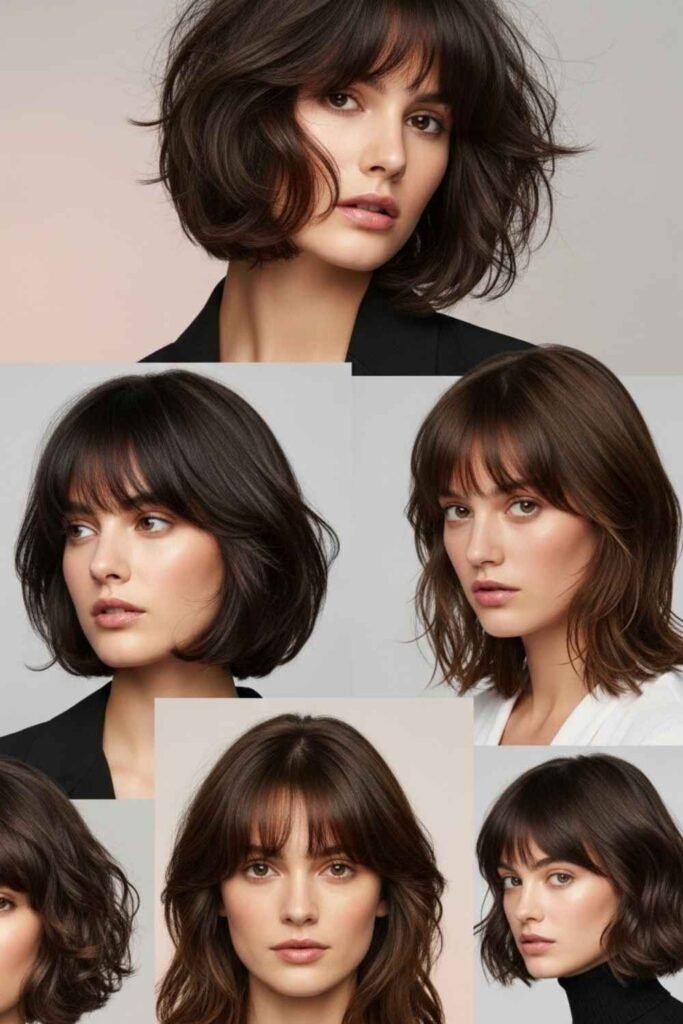
Color is one of the most underutilized volume-creating tools available for fine hair, and in 2026, the relationship between color technique and the appearance of hair density has become a topic of genuine sophistication within the professional styling community.
The foundational principle is this: contrast creates the perception of volume. When multiple tones are present in the hair particularly when lighter tones sit at the surface and slightly darker tones sit underneath the hair appears to have depth and dimension that single-process color cannot achieve. For fine hair, this dimensional quality directly translates to a perception of greater density, because the eye interprets the depth created by contrasting tones as thickness.
For spring and summer 2026, the dominant color approach for fine hair is what colorists are calling “luminous dimension” a technique that places very soft, natural-looking highlights throughout the hair in a pattern specifically designed to maximize the appearance of movement and fullness. Rather than heavy balayage or foil highlights that can sometimes create a stripy, two-dimensional appearance, luminous dimension uses micro-highlight techniques to scatter light-catching tones throughout the hair in a way that makes it appear alive with movement even when completely still. For fine hair, this is transformative the hair appears to shimmer and shift, creating a visual complexity that reads unmistakably as fullness.
Autumn and winter 2026 bring a shift toward deeper, richer base colors with warm, dimensional undertones that create their own form of visual volume. Deep honey brunette, warm auburn, and rich chocolate with natural-looking lighter pieces at the surface are all trending for fine hair in the cooler months. The warmth of these tones is specifically important for fine hair cool, ashy tones can sometimes make fine hair appear flat and dull, while warm tones reflect more light and create a vibrance that enhances the perception of density.
Root shadowing a technique where a slightly darker tone is applied specifically at the roots before transitioning to the natural or lightened mid-lengths and ends is one of the most powerful color tools for fine hair in 2026. By creating the illusion of a shadow at the scalp, root shadowing makes the hair appear to emerge from a denser, thicker base. When combined with a volume-creating haircut, the effect is genuinely remarkable.
Step-by-Step Guide to Getting the Best Haircut for Thin Fine Hair
Approaching a salon appointment for fine hair with the right preparation and knowledge can mean the difference between a cut that genuinely transforms your hair and one that leaves you disappointed after the first wash. Here is the expert-recommended process.
Arrive at Your Consultation with Clean, Unstyled Hair. This is critically important for fine hair specifically. Allow your stylist to see your hair in its most natural state without volumizing products, dry shampoo, or any styling that artificially changes its texture or body. This is the hair they need to design around, and any artificial enhancement during the consultation creates a misleading baseline.
Be Completely Honest About Your Daily Styling Routine. Fine hair requires regular styling to maintain the volume-creating effects of a great haircut. But the amount of time and effort required varies dramatically between styles a volumizing pixie demands daily attention, while a blunt bob can look great with minimal work. Knowing honestly how much time you’ll realistically spend on your hair each morning allows your stylist to recommend a cut that works within your actual lifestyle.
Discuss the Specific Volume Problem You Experience. Fine hair thinning and flatness presents differently for different people. Some experience flatness specifically at the crown. Others find the hairline and temples are where thinness is most apparent. Still others struggle with hair that loses volume within an hour of styling. Identifying exactly where and how your fine hair challenges manifest helps your stylist target their cutting technique specifically at those areas.
Request Specific Fine-Hair Cutting Techniques. Don’t simply ask for “a haircut for fine hair” ask specifically about the techniques your stylist plans to use. Key terms to ask about include: point cutting at the ends (creates texture without removing weight), graduation at the nape (creates internal volume), and root-lifting layers at the crown (builds lift at the most critical volume zone). A stylist who understands fine hair will be able to explain exactly how their planned technique addresses volume specifically.
Ask About Weight Distribution in Your Cut. The concept of weight distribution is central to fine hair cutting. Weight should be concentrated at the perimeter of the cut the ends to maximize the visual density of the overall silhouette, while interior cutting removes any bulk that would cause the hair to fall flat. Ask your stylist to explain how they plan to distribute weight in your specific cut before proceeding.
Request a Blowout Demonstration and Learn the Technique. The blowout specifically, a volume-building blowout using a round brush is the most powerful styling tool available to fine hair owners, and learning to do it correctly at home is genuinely transformative. Before leaving the salon, watch carefully as your stylist blows out your new cut and ask them to explain each step, including which products they’re using, how they’re positioning the brush relative to the roots, and how long they’re holding each section before releasing.
Styling Ideas for Different Occasions with Fine Hair

The versatility of a well-designed fine hair haircut in 2026 is greater than many fine-haired individuals expect the right cut opens up a range of styling options across every occasion that shorter, thinner hair is often assumed to preclude.
For everyday casual wear, the priority for fine hair is maintaining the volume created by the haircut throughout the day without constant restyling. The most effective approach is to apply a root-lifting spray to the roots before blow-drying, use a round brush to create lift at the crown during the blowout, and finish with a light-hold volumizing mousse scrunched through the mid-lengths. This combination, when applied correctly, creates a style that maintains genuine volume for 6-8 hours on most fine hair types.
For professional settings, a sleek, voluminous blowout that adds polish while maintaining the structural volume of your cut is the ideal approach. Fine hair can look extraordinarily sophisticated when blown out with a medium-size round brush the round brush creates volume and slight wave simultaneously, resulting in hair that appears full, healthy, and professionally groomed. A light finishing spray locks the style in place without adding weight that would compromise the volume.
For evening events, fine hair offers more options than most people realize. A voluminous half-up style that gathers the crown section upward and pins it loosely while leaving the perimeter length down creates immediate glamour. The gathered crown section appears thick and full because the hair is concentrated in a small area, and the loose ends frame the face and neck beautifully. Alternatively, a full updo on fine hair particularly on a bob or lob length creates a look that appears deliberately editorial and modern rather than sparse.
For weddings, fine hair styled with a volumizing blowout and secured loosely at the nape with decorative pins creates a soft, romantic look that photographs beautifully. The key for fine hair wedding styling is to keep the style relatively simple and structurally sound elaborate updos that require significant teasing and heavy product can damage fine hair and collapse over the course of a long day.
Celebrity & Social Media Trends for Fine Hair Volume Styles in 2026
The cultural conversation around fine hair has been significantly shaped this year by a number of high-profile moments that have reframed how society thinks about hair density and the styles available to those with thinner hair textures.
Taylor Swift’s evolution through various bob and lob lengths over the past two years has been widely discussed in the context of fine hair styling. Her stylist has consistently used blunt or near-blunt perimeter cuts combined with interior volume-building layers to create styles that appear extraordinarily full despite Swift’s naturally fine hair texture. The “Taylor bob” a collarbone-length blunt lob with subtle internal volume layers became one of the most requested fine hair styles of 2025 and has continued its popularity well into 2026.
On the editorial side, the fashion industry’s growing celebration of natural hair textures including fine and thin hair has manifested in runway presentations where models with visible fine hair textures are styled in cuts and colors that celebrate rather than disguise the hair’s natural quality. This shift in editorial philosophy has had a meaningful ripple effect on mainstream beauty culture, contributing to a broader normalization of fine hair in its natural state alongside rather than always in opposition to the pursuit of volume-enhancing styles.
On social media, the #FineHairTransformation hashtag has accumulated extraordinary viewership in 2026, driven primarily by before-and-after videos documenting the dramatic effect that volume-focused precision cuts can have on fine hair. These videos many created by professional stylists demonstrating specific techniques have educated millions of viewers about the genuine potential of their fine hair and driven a significant increase in consultation requests specifically focused on volume-building haircuts.
Read More About: Haircuts for Round Faces in 2026 Trendy Layered Styles That Actually Flatter
Do’s and Don’ts for Haircuts on Thin Fine Hair
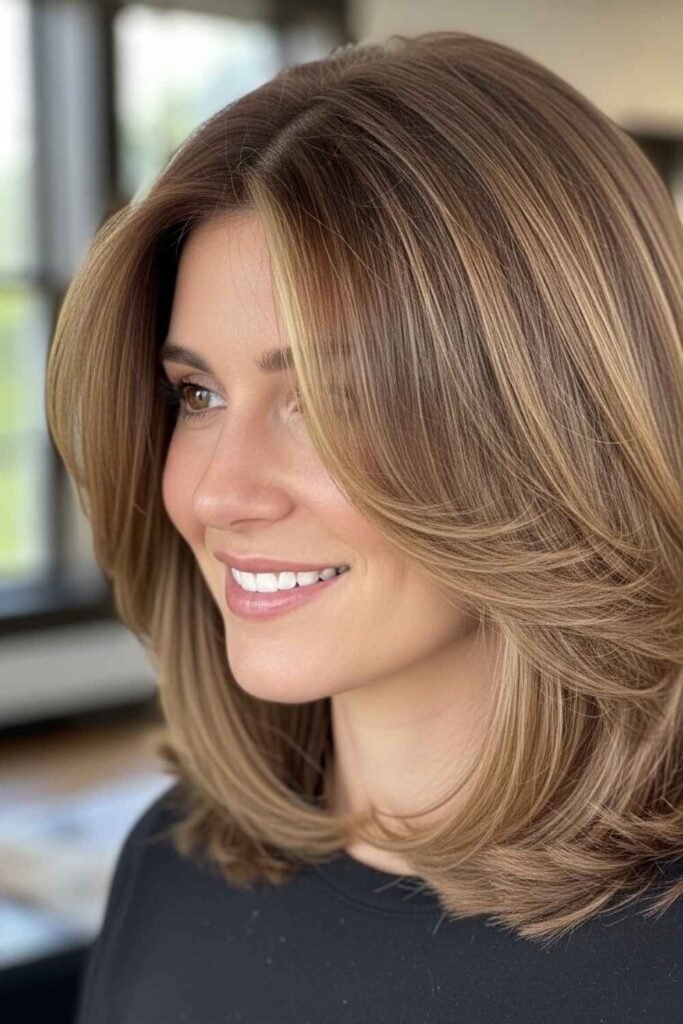
Understanding the fundamental principles of what helps and hinders fine hair is the foundation of making good decisions about your cut, color, and styling approach.
Do prioritize weight distribution over everything else when selecting a haircut. Fine hair needs weight concentrated at the perimeter the ends to appear full. Any cutting technique that removes too much weight from the perimeter in the name of creating a trendy texture can leave fine hair looking sparse and shapeless. The perimeter line of your cut is its most important feature.
Do consider shorter lengths seriously. This is the advice that many fine-haired individuals resist emotionally the instinct to grow hair longer to cover the scalp is understandable but often counterproductive. Shorter hair is thicker-looking hair, because the same number of strands is concentrated in a smaller area. A well-designed bob on fine hair almost universally looks fuller and healthier than the same hair grown to waist length.
Don’t request heavily graduated or cascading layers throughout the entire length of fine hair. This is the most common fine hair haircut mistake, and it results in hair that looks wispy, sparse, and unkempt. While some internal layering is beneficial for creating movement and crown volume, layers should be concentrated strategically rather than distributed throughout.
Don’t overlook the impact of regular professional trims. Fine hair develops split ends faster than thicker textures because the individual strands are more fragile and susceptible to mechanical and heat damage. Split ends on fine hair travel up the shaft quickly and compromise the entire strand, creating that fuzzy, thin-looking texture that makes fine hair appear less healthy and less full than it actually is.
Do invest in a professional-grade round brush for home blowouts. The single styling tool that makes the most dramatic difference for fine hair volume is a round brush used during blow-drying specifically, a ceramic or boar-bristle round brush with a barrel diameter appropriate to your hair length. This investment, combined with proper technique, can add visible volume that no product alone can achieve.
Common Mistakes to Avoid with Fine Thin Hair Styling
The most damaging mistake made by fine hair owners is over-washing washing hair every single day in the mistaken belief that cleaner hair is more voluminous hair. In reality, daily washing strips the natural oils that give fine hair its body and movement, leaving it flat, static-prone, and ultimately less manageable. Transitioning to washing every other day supplemented by a light dry shampoo on the in-between day applied specifically at the roots dramatically improves the volume and behavior of fine hair over time.
Applying too much product is another very common mistake that actively works against fine hair volume. The fine hair product dilemma is a genuine paradox: the hair needs product to create and hold volume, but too much product instantly weighs fine hair down and eliminates the very volume you’re trying to build. The solution is to use significantly less product than the instructions suggest about half and concentrate it specifically at the roots and mid-lengths rather than applying it throughout from roots to ends.
Brushing fine hair when it’s wet and flat with a regular paddle brush rather than a wide-tooth comb or a specifically designed detangling brush is a source of significant breakage that contributes to further thinning over time. Wet fine hair is extraordinarily fragile its tensile strength is dramatically reduced and the mechanical force of a brush causes breakage at multiple points along the shaft. This creates shorter, broken strands that contribute to the overall appearance of thinness and actually reduce density over time.
Choosing haircuts based purely on trend without considering how the trend interacts with fine hair specifically is perhaps the most emotionally costly mistake. Not every trending haircut of 2026 is designed to flatter fine hair some highly popular styles work only on thick, dense textures and can look very different on fine hair. Always research how a specific trending style performs on fine hair before committing, and bring fine-hair-specific inspiration images to your consultation.
Budget Friendly Volume Ideas for Fine Thin Hair
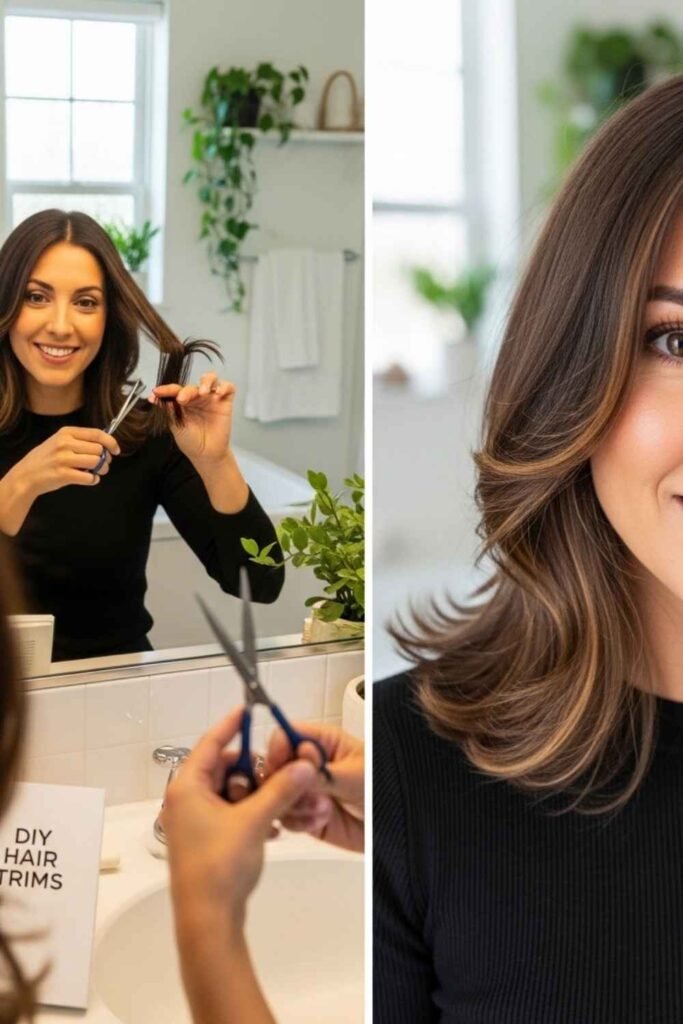
Creating the appearance of full, voluminous hair doesn’t require a luxury budget it requires understanding which affordable investments deliver the most meaningful results for fine hair specifically.
A quality volumizing mousse is one of the most cost-effective tools available for fine hair styling, and many affordable drugstore options perform comparably to salon-brand equivalents. The key is choosing a formula specifically marketed for fine or flat hair these contain lighter polymers that grip the hair shaft and support volume without adding the coating weight that general-purpose mousses can introduce.
Learning to execute a proper root-lifting blowout at home using affordable round brushes and a drug-store heat protectant is one of the most impactful skills a fine-haired person can develop, and it costs nothing beyond a moderate one-time investment in tools. Multiple free tutorials from professional stylists demonstrate this technique specifically for fine hair, and the results achievable with consistent practice rival salon blowouts at a tiny fraction of the cost.
Beauty schools and cosmetology training programs remain an excellent source of quality, affordable haircuts for fine hair. Advanced students performing cuts under direct instructor supervision are specifically learning precision techniques including the blunt cuts and graduation methods that most benefit fine hair and the reduced price point makes it easy to schedule regular trims that are essential for maintaining fine hair’s best appearance.
Dry shampoo, used strategically at the roots between washing days, is perhaps the most powerful inexpensive tool in the fine hair arsenal. Applied correctly directly at the root, left for 2-3 minutes, then worked in with fingertips before brushing through dry shampoo absorbs excess oil that flattens fine hair and simultaneously adds texture and grip that supports volume throughout the day. Many affordable grocery-store versions perform exceptionally well for this purpose.
Premium & Luxury Options for Thin Fine Hair in 2026
For fine hair owners who want to explore the most sophisticated and effective solutions available in 2026, the luxury end of the hair care market offers genuinely remarkable options that go well beyond what standard salon services provide.
The most exciting premium development for fine hair in 2026 is the rise of “scalp and strand integrated treatments” comprehensive professional services that address the health of the scalp microbiome, the structural integrity of each individual hair strand, and the overall density of the hair using a combination of medical-grade serums, low-level laser therapy, and customized topical treatments. These services, offered at dermatological hair clinics and leading medical spas, address the root causes of fine and thinning hair rather than simply styling around the symptoms. Results develop over 3-6 months of consistent treatment and can be genuinely transformative for those experiencing thinning due to hormonal, nutritional, or stress-related factors.
Brazilian Blowout and keratin treatment services adapted specifically for fine hair — using lower concentrations of smoothing agents that seal the cuticle and add weight to each individual strand without overwhelming fine hair are also premium offerings that can meaningfully improve the behavior and appearance of fine hair. A properly formulated keratin treatment on fine hair adds just enough weight to each strand to create a feeling of fullness and density while dramatically reducing frizz and static two fine hair complaints that are particularly challenging in humid climates.
Luxury hair extensions specifically, hand-tied extensions applied using the most sophisticated and hair-safe methods available represent the ultimate premium solution for fine hair owners who want genuinely dramatic density and length. Modern hand-tied extension methods create virtually no damage to the natural hair when applied and removed correctly, and the finest human hair extensions available in 2026 are virtually indistinguishable from natural hair in both texture and behavior.
How to Maintain & Care for Thin Fine Hair
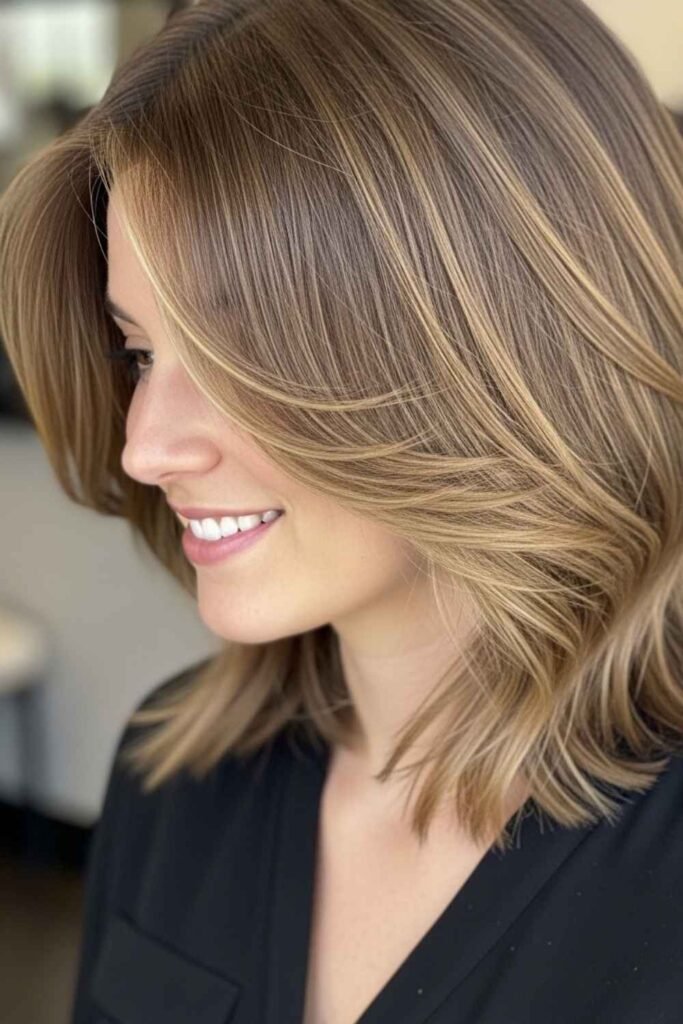
Maintenance for fine hair is both more important and more specific than it is for thicker textures, and developing a genuine understanding of what fine hair needs to stay healthy, full, and beautiful is one of the most valuable investments a fine-haired person can make.
Switching to a sulfate-free, volumizing shampoo and a lightweight conditioner applied only to the mid-lengths and ends never to the roots is the foundational product change that makes the most immediate difference in fine hair volume. Sulfates, while effective cleansers, are too stripping for fine hair and leave it static-prone and dull. Sulfate-free formulas clean effectively while preserving the natural moisture balance that fine hair needs to maintain its best behavior.
Applying conditioner only from the mid-lengths to the ends is specifically critical for fine hair. Conditioner on the roots creates immediate, significant flatness by coating the hair shaft directly at the scalp exactly where fine hair most needs to maintain natural lift and movement. Keeping conditioner completely away from the scalp ideally using a wide-tooth comb to distribute it through the mid-lengths and ends preserves root volume while maintaining the end hydration that prevents breakage.
Heat protectant is non-negotiable for fine hair before any heat styling. Fine hair strands are more susceptible to heat damage than thick strands because they have less protective cuticle layering, and damage on fine hair is immediately visible as increased frizz, breakage, and thinning. Using a lightweight heat protectant spray specifically formulated for fine hair before every blowout or styling session is the single most important damage prevention practice available.
Regular scalp massages either manual or with a dedicated scalp massaging tool — improve circulation to the hair follicles and promote healthier, stronger hair growth over time. Spending two to three minutes massaging the scalp with fingertips or a silicone scalp brush during shampooing costs nothing and accumulates meaningful benefits over months of consistent practice.
Comparison Table Best Volume Haircuts for Fine Thin Hair in 2026
| Haircut Style | Volume Level | Maintenance | Best Face Shape | Length | Styling Time |
| Precision Blunt Bob | Very High | Medium | All shapes | Jaw-Collarbone | 15-20 min |
| Textured Lob (Internal Layers) | High | Medium-Low | Oval / Long | Collarbone | 15-20 min |
| Volumizing Pixie | Highest | High | Oval / Heart | Short | 10-15 min |
| Layered Bob (Lifted Crown) | Very High | Medium | Round / Square | Jaw | 15-20 min |
| Curtain Bang Bob | High | Medium | All shapes | Jaw-Collarbone | 15-20 min |
| Fine Hair Shaggy Bob | Medium-High | Low-Medium | Oval / Long | Jaw-Shoulder | 10-15 min |
| Textured Pixie Lixie | High | Medium | Heart / Oval | Chin-Jaw | 10-15 min |
Expert Tips & Pro Hacks for Fine Thin Hair Volume
The professional styling community has accumulated a wealth of fine-hair-specific knowledge that rarely makes it into standard product labels or salon consultations. These are the insider insights that make a genuine difference.
Flip your hair upside down during the first two minutes of blow-drying before any brush styling begins. This technique encourages the roots to dry in an upright position rather than falling flat against the scalp, setting the foundation for volume that persists throughout the styling process. Once the roots are approximately 80% dry in this upside-down position, flip back upright and finish styling with your round brush for maximum lift.
Use dry shampoo before your hair gets oily not after. Applied to clean, freshly styled hair at the roots before you’ve even left the house, dry shampoo creates texture and grip that helps volume hold longer throughout the day. This preventive approach significantly outperforms the corrective use of dry shampoo on already-oily, already-flat hair.
Ask your colorist for “shadow root” color technique combined with face-framing highlights. This specific combination darker at the root, lighter around the face creates the optical illusion of hair emerging from a dense, thick base while the lighter face-framing pieces draw the eye to the face rather than the scalp. It’s one of the most effective color-based volume illusion techniques available for fine hair.
When using volumizing spray or mousse, apply it specifically to the root section of the hair rather than distributing it throughout. Fine hair only needs volume-building product at the roots applying it through the mid-lengths and ends adds weight without adding visible volume, defeating the purpose of the product entirely.
Read More About: Wolf Haircut Ideas 2026 The Most Stunning Modern Layered Styles Transforming Hair Right Now
Trend Forecast Fine Hair Volume Styles Heading Into 2027
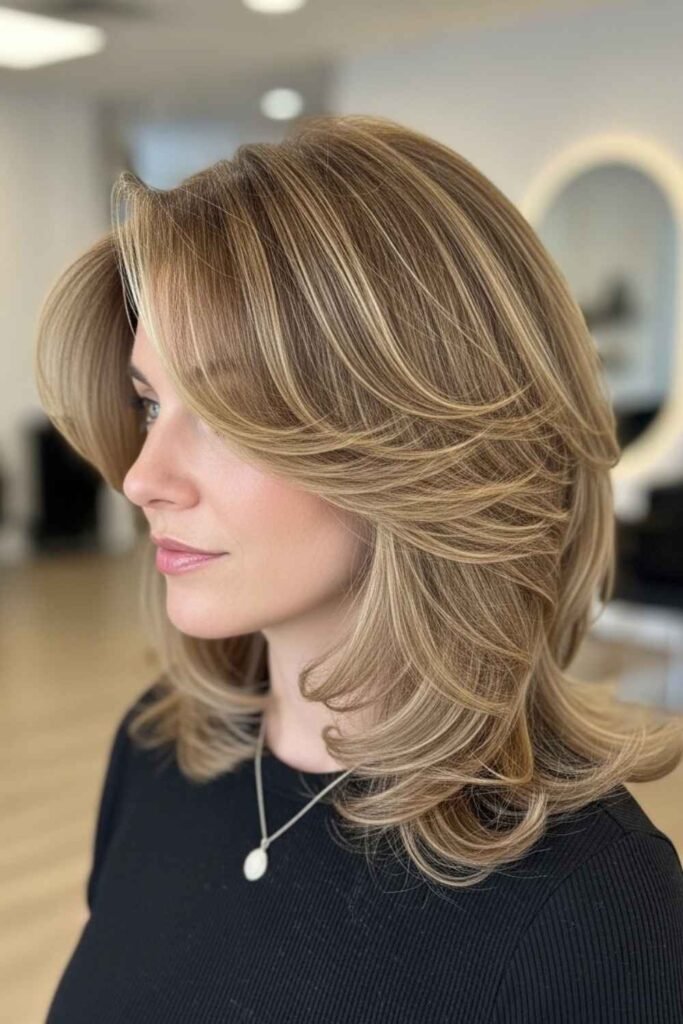
The trajectory of fine hair styling is moving rapidly toward greater personalization, technological integration, and holistic hair health and the 2027 outlook is genuinely exciting for the fine hair community.
Micro-precision cutting an emerging technique that uses specialized micro-thinning tools to remove weight from individual sections of hair with extraordinary accuracy is positioned to become the gold standard of fine hair cutting by 2027. Unlike current thinning shear techniques, micro-precision cutting allows the stylist to control exactly where weight is removed at a granular level, creating volume-building structures within the hair that are virtually invisible to the eye but dramatically impactful in terms of movement and lift.
Scalp health will become an increasingly central part of the fine hair conversation, with the recognition growing that the quality and density of hair emerging from the follicle is as important as the cutting and styling applied afterward. By 2027, the most progressive salons will offer integrated scalp and styling services that address the complete lifecycle of fine hair — from follicle health to finished style.
Clean beauty formulations specifically developed for fine hair are also expected to advance significantly by 2027, with plant-based volumizing agents that match or exceed the performance of current synthetic options without the coating effect that leaves fine hair looking dull and heavy over time.
Frequently Asked Questions
What is the best haircut for thin fine hair to create volume in 2026?
The precision blunt bob remains the most universally recommended haircut for thin fine hair seeking volume in 2026. Its clean, even perimeter line maximizes the visual density of the hair by aligning all strands at the same length, creating an optical illusion of thickness. For those who prefer more length, the textured lob with internal layers is an excellent alternative that balances volume with the retention of longer hair.
Should people with fine hair avoid layers entirely?
No but the approach to layering matters enormously. Heavy, cascading layers throughout the entire length of fine hair can indeed make it appear thinner and sparser. However, strategic internal layering specifically at the crown to create lift and through the interior mid-section to remove weight without compromising the perimeter line is beneficial for fine hair and contributes meaningfully to volume and movement. The key is targeted layering, not layering throughout.
What styling products work best for volumizing thin fine hair?
The most effective products for creating and maintaining volume in fine thin hair are root-lifting spray applied before blow-drying, a lightweight volumizing mousse concentrated at the roots, and dry shampoo used both preventively on freshly styled hair and as a refresher on day-two hair. Avoid heavy serums, oils applied to the roots, or thick creams that add weight without adding visible volume. Silicone-free formulas are generally preferable for fine hair because silicone builds up on fine strands and compromises natural movement over time.
Can fine hair look good in long styles in 2026?
Yes, but it requires specific approach. Long fine hair needs the textured lob with internal layers, or a long style with strategically placed blunt ends and minimal overall layering, to maintain the appearance of fullness. The length should be complemented by dimensional color specifically root shadow and face-framing highlights that creates the perception of depth and density. Regular trims every 8-10 weeks are essential for long fine hair to prevent the sparse, wispy look that develops as ends thin and break over time.
How can I make my fine hair hold volume throughout the day?
The most effective approach involves a combination of foundation setting and mid-day refreshing. Begin with clean hair washed every other day rather than daily second-day hair holds styles better because natural oils create grip. Apply root-lifting spray and volumizing mousse before blow-drying with a round brush upside down for the first two minutes. Finish with a light-hold volumizing hairspray at the roots only. For mid-day refreshing, a quick application of dry shampoo at the roots combined with gentle backcombing at the crown restores volume without requiring a complete restyle.
Conclusion
Fine, thin hair in 2026 is not a problem to be solved it’s a hair type with its own specific needs, its own ideal techniques, and its own breathtaking possibilities when approached with the right knowledge and the right stylist. The volume styles available specifically for thin fine hair this year — from the architecturally perfect precision blunt bob to the movement-rich textured lob, from the bold volumizing pixie to the personality-packed curtain bang bob represent a genuinely exciting range of options that can transform not just the appearance of your hair, but your entire relationship with it.
The most important thing to understand is that the difference between fine hair that looks


