
Low Porosity Hair: Meaning, Signs, Care Routine & Best Products Complete 2026 Guide


You’ve tried every product on the shelf. You’ve deep conditioned faithfully every week. Yet your hair still feels dry, products still sit on top without absorbing and your wash days take forever to dry. Sound familiar? You’re not using the wrong products because your hair is broken. You’re using the wrong products because nobody told you about low porosity hair and how completely different it behaves compared to every other hair type.
Low porosity hair is one of the most misunderstood hair characteristics in the United States today. Millions of people across all ethnicities, textures and curl patterns spend years buying products that simply don’t work for them, not realizing the problem isn’t the product’s quality. It’s the mismatch between the product’s formulation and their hair’s specific structure. Once you understand low porosity hair meaning and what your hair actually needs, everything changes. The right shampoo, the right conditioner applied the right way, the right oils in the right amounts suddenly your hair responds like you always hoped it would. This guide covers every single thing you need to know.
Read More About: Hair Cuttery Affordable Hair Salon Services, Cuts, Color & Styling The Complete 2026 USA Guide
Low Porosity Hair Meaning What Is Low Porosity Hair?
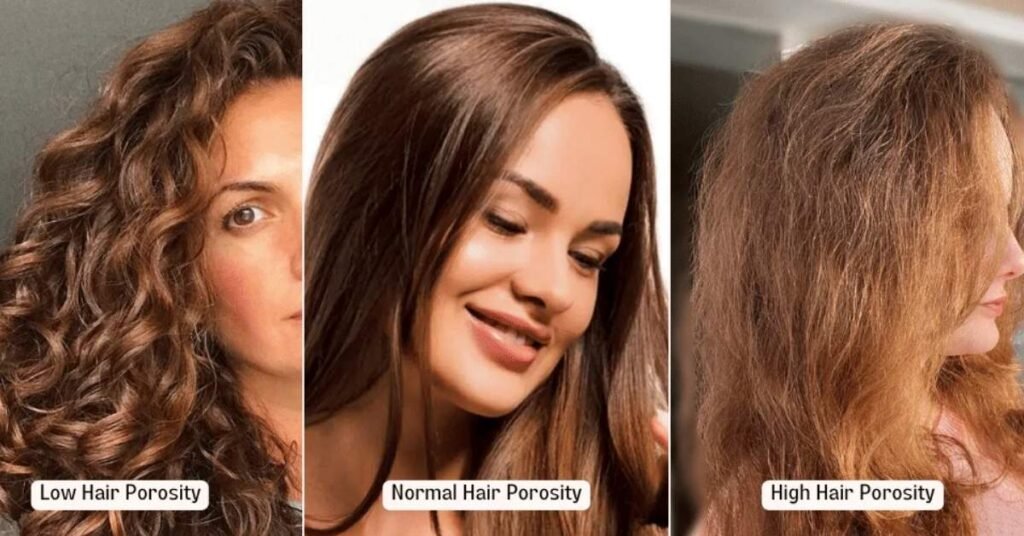
What is low porosity hair? At its most fundamental level, low porosity hair meaning comes down to one thing: your hair’s outer layer the cuticle lies tightly flat against the hair shaft with overlapping scales pressed closely together. Think of it like roof shingles laid perfectly flat and overlapping tightly. Rain hits the roof and beads right off rather than soaking through. Your hair behaves exactly the same way with water and products. The cuticle is so tightly closed that moisture struggles to get in even when you apply it directly and generously.
What does low porosity hair mean for your daily experience? It means your hair resists moisture absorption strongly. It means products tend to sit on the surface rather than penetrating the shaft. It means deep conditioners sometimes feel completely ineffective. However and this is the critical part most people miss it also means your hair retains moisture remarkably well once you actually get it inside. Low porosity hair isn’t damaged hair. It isn’t unhealthy hair. It’s structurally specific hair that needs a targeted approach. The cuticle’s tightness is largely genetic you were mostly born with this characteristic. Understanding it removes the frustration and replaces it with a plan that actually works.
What Is Hair Porosity & Why It Matters
Hair porosity levels describe how easily your hair absorbs and holds moisture and this single characteristic influences every product decision you’ll ever make about your hair. There are three levels: low porosity, medium porosity and high porosity hair. Medium porosity is considered the “ideal” the cuticle sits slightly raised, allowing moisture in easily and retaining it well. High porosity hair has widely open or damaged cuticles that absorb moisture fast but lose it just as quickly. Low porosity sits at the opposite end tightly sealed cuticles that resist entry but hold moisture beautifully once it’s inside.
What is hair porosity in practical terms? It determines which conditioners actually work on your hair versus which ones just sit there. It determines whether heavy oils help or hurt your moisture levels. It determines how long your hair takes to get wet, how long it takes to dry and how often product buildup becomes a problem. Knowing your hair porosity levels isn’t a beauty trend it’s foundational knowledge. Without it, you’re essentially shopping for hair products blindfolded and hoping something sticks.
| Porosity Level | Cuticle State | Moisture Absorption | Moisture Retention | Drying Time | Main Challenge |
| Low Porosity | Tightly closed | Slow and resistant | Excellent once absorbed | Very slow | Product buildup, moisture entry |
| Medium Porosity | Slightly raised | Easy and balanced | Good | Normal | Minimal most manageable |
| High Porosity | Open and raised | Very fast | Poor loses moisture fast | Fast | Dryness, frizz, breakage |
Low Porosity vs High Porosity Hair Key Differences
Low vs high porosity hair represents two opposite ends of the same spectrum and confusing them leads to completely counterproductive care choices. Low porosity resists moisture entry but holds it well. High porosity hair absorbs moisture almost instantly but loses it just as quickly, leaving hair chronically dry and frizzy despite constant moisturizing attempts. The root cause differs too. Low porosity is primarily genetic you’re largely born with tightly closed cuticles. High porosity is often caused by damage bleaching, heat abuse, chemical processing that physically lifts and roughens the cuticle layer.
The care approach for each type runs in almost opposite directions. High porosity hair needs heavy sealants thick butters, oils and creams to trap moisture inside the open cuticle. It tolerates and often benefits from protein treatments. Low porosity hair needs lightweight products that don’t add to surface buildup and absolutely needs heat during deep conditioning to temporarily lift the cuticle enough for moisture to enter. Too much protein makes low porosity hair hard and brittle. What helps high porosity hair directly harms low porosity hair which is exactly why understanding your specific type matters so much before buying a single product.
| Comparison Factor | Low Porosity Hair | High Porosity Hair |
| Cuticle Condition | Tightly flat and closed | Open, raised or damaged |
| Water Absorption Speed | Slow water beads off | Fast absorbs immediately |
| Moisture Retention | Excellent once absorbed | Poor escapes quickly |
| Product Weight Needed | Lightweight only | Medium to heavy |
| Protein Tolerance | Low use sparingly | High benefits from protein |
| Heat During Deep Conditioning | Essential non-negotiable | Not required |
| Drying Time After Washing | Very slow | Relatively fast |
| Biggest Enemy | Buildup and moisture blockage | Dryness and breakage |
| Best Fix | Heat + lightweight humectants | Sealants + protein |
How to Know If You Have Low Porosity Hair
How do I know if I have low porosity hair? The good news is you don’t need a lab or a professional diagnosis. How to test low porosity hair comes down to two simple at-home methods the float test and the spray test that take less than five minutes combined. Both tests work best on clean hair that hasn’t had any products applied. Product residue on the hair surface significantly skews results so always wash your hair first and let it air dry before testing.
Before diving into each test specifically, it helps to know what you’re observing and why. Low porosity hair floats and resists water because the tightly closed cuticle traps air inside the hair shaft just like a sealed bottle floats in water. It also causes water to bead on the surface rather than absorbing because there’s simply no gap in the cuticle structure for water molecules to enter quickly. Combining both tests gives you a more reliable picture than relying on either one alone. Some hair types can skew one test without skewing the other so using both builds confidence in your result.
The Float Test for Hair Porosity
What is the float test for hair? It’s the most widely cited hair porosity test in the natural hair community and it’s genuinely useful when performed correctly. Take a single clean shed hair strand from your brush or comb rather than pulled directly from your scalp. Drop it into a glass of room-temperature water. Watch it for two to four minutes without disturbing the glass. Low porosity hair floats at the surface or just below it for the entire observation period. Medium porosity hair sinks slowly over several minutes. High porosity hair sinks to the bottom quickly often within sixty seconds.
The float test hair porosity result reflects the cuticle’s air-trapping ability. Low porosity hair’s tightly sealed cuticle traps air pockets inside the hair shaft. Those trapped air pockets provide buoyancy keeping the strand afloat. High porosity hair’s open cuticle allows water to rush in and displace the air immediately, causing the strand to sink. One important caveat: use distilled or filtered water if possible. Hard tap water contains minerals that can affect the test’s accuracy. Also ensure the strand is completely product-free even residual conditioner can affect how quickly the strand absorbs water during the test.
The Spray Test Explained
The spray test hair porosity method is arguably more practical than the float test because it replicates exactly what happens when you apply water or products to your hair in real life. Take a small section of clean dry hair and mist it lightly with water using a spray bottle. Watch the surface of the hair closely for thirty to sixty seconds. Low porosity hair causes water droplets to sit visibly on the surface beading up like water on a freshly waxed car hood rather than absorbing into the strand. High porosity hair absorbs the mist almost instantly with no visible beading.
Many professional stylists prefer the spray test hair porosity method over the float test because environmental factors like water temperature and mineral content don’t interfere with the observation. What you see during the spray test is exactly what happens every time you apply a leave-in conditioner or styling product to your hair. If products bead on your hair surface rather than absorbing that’s your low porosity hair cuticle doing exactly what it’s structured to do. Recognizing this behavior as a porosity characteristic rather than a product failure is the mindset shift that changes everything.
Signs of Low Porosity Hair (Easy Checklist)
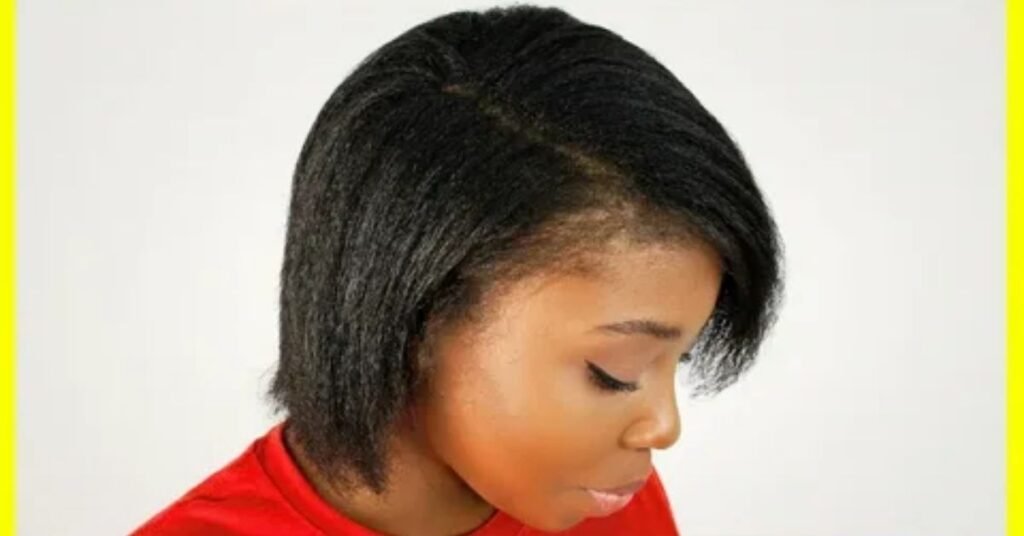
What are the signs of low porosity hair that you might already be noticing without knowing what they mean? The most common one is the shower experience your hair takes noticeably longer than expected to get fully saturated under running water. You have to hold your head under the shower stream for a minute or more before your hair feels genuinely wet all the way through. That resistance is your cuticle doing its job perhaps too well. Another common sign is watching products literally bead on your hair surface after application rather than absorbing within seconds.
Additional signs of low porosity hair show up later in your routine. Deep conditioners feel completely ineffective you apply them generously, wait the recommended time and rinse off only to find your hair feels exactly the same as before. Styling products leave white residue or flaking even in small amounts because they accumulate on the surface rather than penetrating. Your hair stays wet for hours after washing sometimes most of the day. Color treatments process unevenly or take longer than the stated development time. Each of these experiences points to the same underlying cause: a cuticle so tightly closed that nothing gets through easily.
| Sign of Low Porosity Hair | What’s Actually Happening |
| Hair takes long to get wet in shower | Cuticle blocking water entry |
| Products bead on hair surface | Cuticle preventing ingredient absorption |
| Deep conditioner feels ineffective | Formula can’t penetrate closed cuticle |
| Hair dries extremely slowly | Moisture trapped slow entry and slow exit |
| Product buildup despite regular washing | Products accumulate on sealed surface |
| Hair looks shiny but feels dry | Flat cuticle reflects light but lacks internal moisture |
| Color processes slowly or unevenly | Dye molecules struggle to enter shaft |
| White flaking from styling products | Products sitting on surface rather than absorbing |
What Does Low Porosity Hair Look Like?
Visually, low porosity hair often looks deceptively healthy. The tightly flat cuticle reflects light beautifully giving the hair a natural shine and glossy appearance that many people with medium or high porosity hair genuinely envy. Strands feel smooth to the touch because there are no raised cuticle edges to create roughness. When you run your fingers down a strand from tip to root, it feels glassy rather than rough or bumpy. This visual and tactile smoothness is one of the reasons so many people with low porosity hair go years without identifying their hair type it looks fine on the outside.
The deception lies beneath that smooth surface. Low porosity hair can look genuinely lustrous while being internally moisture-deprived because the shine comes from light bouncing off flat cuticle scales not from deep internal hydration. When you understand that distinction, you stop chasing products that add surface shine and start pursuing products and techniques that drive actual moisture through the cuticle barrier. The visual appearance doesn’t change much between a well-moisturized and a poorly moisturized low porosity hair strand which makes it harder to assess whether your routine is actually working by looking in the mirror alone.
Common Problems with Low Porosity Hair
The two biggest challenges that come with low porosity hair are product buildup and chronic moisture resistance and they create a frustrating feedback loop that traps many people for years. You apply more conditioner because your hair feels dry. The conditioner sits on the surface without absorbing and adds to the existing buildup layer. That buildup layer then makes it even harder for the next round of moisture to penetrate. So you apply even more product. The cycle continues. Product buildup low porosity hair isn’t just a cosmetic problem it’s a functional barrier that actively prevents the moisture your hair genuinely needs from reaching the hair shaft.
The emotional toll of this cycle shouldn’t be minimized. Spending money on highly rated products that do nothing. Watching other people’s hair respond beautifully to the same conditioner yours just shrugged off. Being told your hair is “dry” when you’ve been conditioning it constantly. Before discovering their low porosity hair type, many people assume their hair is simply unmanageable or unusually difficult. It isn’t. It’s specific. The frustration of low porosity hair problems dissolves almost entirely once the care approach shifts to match the actual hair structure rather than fighting against it.
Product Buildup on Low Porosity Hair
Why does product sit on my hair no matter how little you apply? Product buildup low porosity hair is an inevitable consequence of the tightly sealed cuticle structure. Every product you apply conditioner, leave-in, styling cream, oil gets deposited on the surface of your hair shaft. On medium or high porosity hair, much of this gets absorbed into the shaft. On low porosity hair, the vast majority stays on the outer surface. Layer after layer accumulates until the hair feels coated, heavy, dull and completely unresponsive to moisture.
How to avoid buildup on low porosity hair requires two consistent habits. First, use a clarifying shampoo once or twice monthly not just your regular gentle shampoo. Clarifying formulas contain stronger cleansing agents specifically designed to dissolve and remove accumulated product layers from the hair surface. Second, use less product overall. Low porosity hair needs a fraction of the product amount that high porosity hair requires. One pump of leave-in instead of three. One fingertip of styling cream instead of a palmful. Less product means less accumulation and better moisture penetration from what you do apply.
Why Low Porosity Hair Takes Longer to Dry
Why does low porosity hair take so long to dry? The same tightly closed cuticle that slows water entry also slows water exit. After washing, water molecules that did eventually penetrate the hair shaft during the wet period are now trapped inside by the same closed cuticle that resisted their entry in the first place. They escape slowly much more slowly than water evaporates from high porosity hair where open cuticle gaps allow rapid moisture release in both directions.
This slow drying characteristic of low porosity hair drying time isn’t entirely negative. It means your hair holds onto the moisture from your wash day routine for longer than other hair types provided you got moisture in during washing in the first place. The practical challenge is the long drying window itself. Sitting with soaking wet hair for four to six hours isn’t comfortable or practical for most people. A microfiber towel to remove excess water gently plus a diffuser on low heat dramatically reduces drying time without the friction damage that regular terrycloth towels create or the wave-disrupting force of a regular blow dryer.
Read More About: 2B Hair: Complete Guide to Care, Styling & Products for 2B Wavy Hair
How to Care for Low Porosity Hair (Complete Routine)

How do you care for low porosity hair without spending your entire Saturday in the bathroom? The entire low porosity hair care routine rests on three non-negotiable principles. Use heat during conditioning always. Use lightweight products exclusively no exceptions. Clarify regularly to remove buildup consistently. Everything else in your routine is customization around these three foundations. Get these three things right and your low porosity hair transforms from frustrating to flourishing.
What is the best routine for low porosity hair from start to finish? It begins before you even turn on the shower. Pre-pooing with a lightweight oil protects your ends from the drying effects of shampooing. Warm water during washing gently nudges the cuticle open before conditioning. A lightweight conditioner applied under a heat cap or plastic cap with steam does more in twenty minutes than a heavy conditioner left on cold for an hour. Lightweight styling products applied to dripping wet hair distribute evenly before the cuticle begins closing as the hair dries. Every step works with the cuticle’s natural behavior rather than against it.
| Routine Step | What to Do | Key Technique | Why It Works |
| Pre-Poo | Lightweight oil on ends | 30 mins before washing | Protects ends during cleansing |
| Clarify | Clarifying shampoo | Monthly not every wash | Removes accumulated surface buildup |
| Shampoo | Gentle sulfate-free formula | Warm water, scalp focus | Cleanses without over-stripping |
| Condition | Lightweight conditioner | Heat cap or warm towel | Heat lifts cuticle for penetration |
| Deep Condition | Humectant-rich mask | Hooded dryer 20-30 mins | Heat drives moisture into shaft |
| Leave-In | Water-based spray | Apply to dripping wet hair | Distributes before cuticle closes |
| Styler | Light gel or mousse | Scrunch upward gently | Defines pattern without buildup |
| Seal | One drop lightweight oil | Ends only | Locks moisture in shaft |
| Dry | Microfiber towel + diffuse | Low heat, no friction | Reduces drying time safely |
Shampoo Routine for Low Porosity Hair
What shampoo is good for low porosity hair on a regular wash day? A gentle, sulfate-free formula that cleanses the scalp thoroughly without stripping the hair shaft of whatever natural moisture it holds. Focus the shampoo application exclusively on your scalp massage gently with your fingertips in small circular motions and let the lather rinse down the lengths naturally without piling or scrubbing. Use warm water throughout the shampooing step. Warm water gently encourages the cuticle to lift slightly which improves both the effectiveness of shampooing and the absorption of conditioner applied immediately after.
The monthly clarifying shampoo is non-negotiable for shampoo for low porosity hair maintenance. A standard gentle shampoo removes dirt and some product residue but doesn’t fully dissolve the accumulated layers of conditioner, styling products and oils that build up on low porosity hair surfaces over time. A clarifying shampoo which can contain mild sulfates specifically for this purpose breaks down and removes that stubborn surface coating completely. After a clarifying wash, your hair immediately feels lighter, more responsive and dramatically more receptive to the deep conditioning treatment that follows.
Conditioner Tips for Low Porosity Hair
How to moisturize low porosity hair with conditioner starts with choosing the right formula. The best conditioner for low porosity hair is lightweight, water-rich and loaded with humectants ingredients that attract water molecules into the hair shaft. Glycerin, aloe vera, panthenol and honey are the humectants that work hardest for this hair type. Avoid conditioners where shea butter, coconut oil or heavy emollients appear in the first five ingredients. These formulas work beautifully for high porosity hair but add only surface coating to tightly closed low porosity cuticles.
The application technique matters as much as the formula itself. Apply your chosen conditioner for low porosity hair to clean, wet hair. Cover immediately with a plastic processing cap. Then apply heat a hooded dryer, a heat cap, a warm towel wrapped around the plastic cap or even just sitting in a steamy bathroom. The heat temporarily lifts the cuticle just enough to allow conditioner molecules to penetrate. Without heat, even the best lightweight conditioner sits on the surface and rinses away without providing real internal moisture. This is the single most impactful technique change for anyone struggling with low porosity hair moisture retention.
Deep Conditioning Low Porosity Hair Correctly
Deep conditioning without heat on low porosity hair is genuinely almost pointless. The cuticle simply won’t open sufficiently at room temperature to allow the larger molecules in deep conditioning formulas to penetrate the hair shaft. You can apply the most expensive treatment on the market and leave it on for three hours under a plastic cap at room temperature and achieve minimal results. The formula just sits there waiting for an opening that never comes.
Deep conditioner low porosity hair sessions need heat every single time without exception. Apply your chosen deep conditioner to clean, damp hair in sections. Cover with a plastic processing cap to trap steam. Add heat through a hooded dryer at medium setting for twenty to thirty minutes or use a thermal heat cap microwaved for the recommended time. The steam and warmth gently lift the cuticle layer just enough for the treatment’s active ingredients to enter the hair shaft and work from the inside. The difference between a heat-assisted deep conditioning session and a cold one on low porosity hair is immediately noticeable in the hair’s softness, flexibility and moisture response.
Styling Routine for Low Porosity Hair
How do you care for low porosity hair during the styling step? Apply every single product to soaking wet hair not towel-dried, not damp, actively dripping wet. This timing is critical. When hair is saturated with water, the cuticle is at its most receptive state. Products applied at this moment distribute more evenly and have the best chance of reaching the hair shaft before the cuticle begins tightening as the hair dries. Applying products to damp or half-dry low porosity hair means you’re applying them to a surface that’s already closing down again.
Layer your styling products from lightest to heaviest. Start with a water-based leave-in spray just a few pumps distributed evenly. Follow with either a lightweight curl cream in a small amount or a mousse applied by scrunching upward. If your hair needs stronger hold, add a small amount of aloe-based gel as your final step. Scrunch each product in gently rather than raking through scrunching preserves your natural hair pattern and encourages clumping without pulling apart the wave or curl formation. Keep product amounts small. Low porosity hair responds better to one coat of the right product than three coats of anything.
Best Products for Low Porosity Hair
What products are best for low porosity hair? The answer starts with a philosophy rather than a product list: lightweight and water-based always wins. Low porosity hair products need to accomplish something difficult delivering moisture through a structural barrier that actively resists it. Heavy products don’t accomplish this. They just add to the surface layer. Water-based formulas with humectant ingredients are the best tools for this job because humectants attract water molecules toward the hair shaft through a process called osmosis pulling moisture toward areas of lower concentration.
How to moisturize low porosity hair through product selection also means scrutinizing ingredient lists rather than trusting marketing claims. “Deeply moisturizing” on a label is meaningless if the formula is loaded with dimethicone and shea butter. Look for water listed as the first ingredient. Look for glycerin, aloe vera, panthenol or honey appearing early in the list. These are your signals that a formula will actually work with low porosity hair rather than against it. A product with five simple, lightweight ingredients often outperforms a complex formula with twenty ingredients for this specific hair type.
| Ingredient Category | Examples | Verdict for Low Porosity |
| Humectants | Glycerin, aloe vera, honey, panthenol | Excellent attract moisture actively |
| Water-based ingredients | Water as first ingredient | Always prioritize these formulas |
| Lightweight oils | Argan, grapeseed, jojoba, sweet almond | Good use in very small amounts |
| Heavy butters | Shea butter, mango butter, cocoa butter | Avoid as primary ingredients |
| Heavy oils | Coconut oil, castor oil, olive oil | Avoid or minimize significantly |
| Silicones | Dimethicone, amodimethicone | Avoid entirely heavy buildup |
| Petroleum derivatives | Mineral oil, petrolatum | Avoid entirely |
| Proteins | Hydrolyzed wheat, silk, keratin | Occasional use only small amounts |
Best Shampoos for Low Porosity Hair
The best shampoos for low porosity hair serve two different functions depending on which wash day it is. Your regular weekly wash uses a gentle, sulfate-free cleansing shampoo something that removes scalp oil, sweat and daily buildup without stripping the hair shaft. Look for formulas with coco-glucoside, sodium cocoyl isethionate or decyl glucoside as primary surfactants. These clean effectively and gently. Your monthly clarifying wash uses a stronger formula one that specifically removes accumulated product residue, mineral deposits from hard water and old oil buildup from the low porosity hair surface.
What shampoo is good for low porosity hair also depends on your water type. Hard water common across much of the United States deposits calcium and magnesium minerals on the hair surface with every wash. Over time these deposits contribute to the same buildup problem that products create and make low porosity hair moisture retention even more challenging. A chelating shampoo formulated specifically to dissolve mineral deposits used monthly alongside your regular clarifying wash addresses this specific problem. It’s an extra step but for people in hard water areas it makes a profound difference.
Best Conditioners for Low Porosity Hair
Identifying the best conditioner for low porosity hair requires looking past the front-of-bottle marketing and into the ingredient list. Conditioners formulated for fine hair often work perfectly for low porosity hair regardless of actual hair texture because fine hair formulas are specifically designed to condition without weight or buildup. This is exactly what low porosity hair needs. They’re typically rich in humectants and light slip agents rather than heavy emollients and occlusive butters.
Apply your chosen conditioner generously to soaking wet hair after shampooing. Distribute evenly from ears to ends using your fingers. Never apply conditioner to the scalp your scalp produces its own natural oils and adding conditioner there accelerates buildup. Cover with a plastic cap and apply heat immediately. The heat component isn’t optional for low porosity hair it’s the mechanism that makes conditioner work. Without it, you’re essentially applying a product to a sealed surface and hoping osmosis does all the work alone. Heat plus the right formula is a genuinely transformative combination for low porosity hair moisture retention.
Best Styling Products for Low Porosity Hair
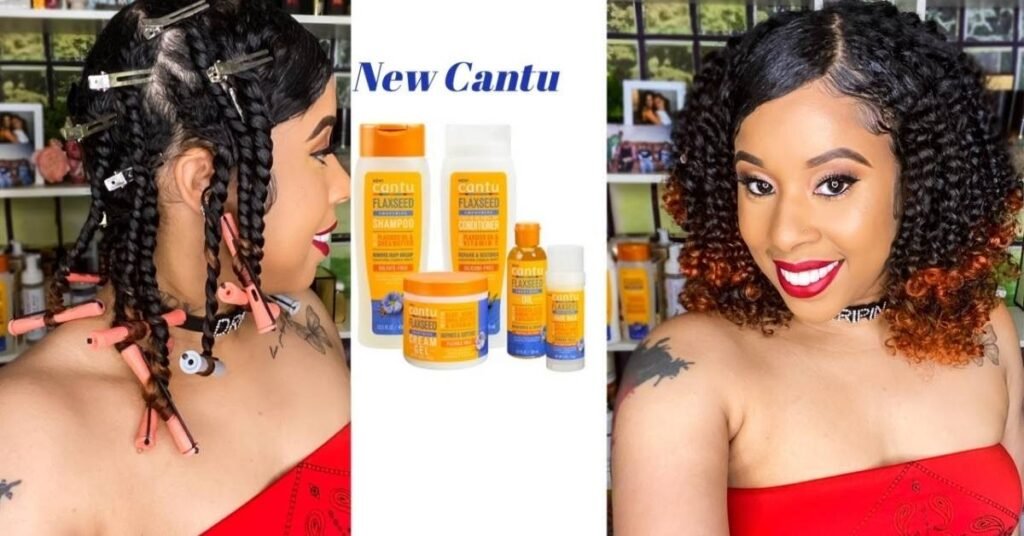
What products are best for low porosity hair in the styling category? Three stand out consistently across the low porosity natural hair care community. Aloe vera gel pure or as the primary ingredient in a commercial formula provides excellent lightweight hold, natural humectant moisture and zero buildup risk. Flaxseed gel delivers similar benefits with slightly stronger hold beloved by curly and wavy low porosity hair owners for its cast-and-scrunch performance without residue. Water-based leave-in conditioner sprays serve as the essential moisture base before any styling product gets applied.
Light mousses complete the low porosity hair products styling toolkit. Modern foam formulas a world apart from the stiff, alcohol-heavy mousses of previous decades add definition, volume and frizz control without the heaviness that kills low porosity hair curl and wave patterns. Apply mousse by scrunching it upward into soaking wet hair rather than distributing it with your hands in a downward motion. Downward application stretches and disrupts your hair’s natural pattern. Upward scrunching encourages it to form and clump naturally. Always start with less product than you think you need you can always add a little more but you can’t take buildup back without rewashing.
Best Oils for Low Porosity Hair
What oils are best for low porosity hair? This question has one of the most misunderstood answers in the entire natural hair community. Not all oils behave the same on hair. Some oils have small enough molecular structures to actually penetrate the hair cuticle to some degree. Others sit entirely on the surface regardless of how much heat you apply or how long you leave them on. For low porosity hair where surface buildup is already an ever-present concern using oils that can’t penetrate adds to your problem rather than solving it.
Lightweight oils for low porosity hair that actually deliver benefits include argan oil, grapeseed oil, sweet almond oil and jojoba oil. Jojoba is particularly interesting because it’s technically a wax ester that closely mimics the hair shaft’s natural lipid structure making it one of the most compatible oils for low porosity hair at a molecular level. Low porosity hair oils should always be used in tiny amounts one to two drops maximum and applied either to soaking wet hair as a sealant after leave-in conditioner or to fully dry hair as a finishing touch for shine. Heavy oils like coconut oil, castor oil and olive oil sit entirely on the low porosity hair surface and contribute directly to the buildup problem you’re working to manage.
How Often Should You Wash Low Porosity Hair?
How often should you wash low porosity hair? Once a week works well for most people with this hair type and represents a sensible balance between two competing needs. Washing too frequently strips the scalp of natural oils before they have time to travel down the hair shaft oils that actually help your low porosity hair once they reach it. But washing too infrequently allows product buildup to accumulate on the tightly closed cuticle surface until moisture penetration becomes nearly impossible.
The monthly clarifying wash adds a critical dimension to this low porosity wash day routine schedule. Every three to four regular wash days, substitute your gentle cleanser with a clarifying shampoo. This removes the accumulated layers of conditioner, styling product and oil that your gentle shampoo can’t fully dissolve. After a clarifying wash, your low porosity hair immediately feels lighter, cleaner at the surface and significantly more responsive to the deep conditioning treatment that follows. Many people with low porosity hair report that their best moisture days follow directly after a clarifying wash because the surface finally has no barrier between it and the products being applied.
Does Low Porosity Hair Dry Fast or Slow?
Low porosity hair drying time is significantly longer than both medium and high porosity hair and understanding why helps you manage it practically rather than just waiting impatiently. The same tightly closed cuticle that resists water entry during washing also slows water exit during drying. Water molecules that penetrated the hair shaft during your wash session are now partially trapped inside by the closing cuticle as the hair dries. They release slowly over several hours rather than evaporating quickly the way high porosity hair dries.
Why does low porosity hair take so long to dry compared to other types? Think of it like a thermos versus a paper cup. The thermos low porosity hair keeps liquid inside for hours because its sealed walls slow both entry and exit. The paper cup high porosity hair soaks through immediately and empties just as fast. Neither is better in every context. The thermos model means low porosity hair retains whatever moisture you manage to get inside it for an impressively long time. The practical solution for drying is a microfiber towel or cotton T-shirt to gently remove surface water immediately after washing followed by a diffuser on its lowest heat setting. This combination can cut drying time from four to six hours down to sixty to ninety minutes without the damage that high-heat blowdrying causes.
Ingredients to Avoid for Low Porosity Hair
Some ingredients cause genuine problems for low porosity hair regardless of how well-formulated the rest of the product might be. Silicones top the avoid list without question. Dimethicone, amodimethicone, cyclopentasiloxane and their chemical cousins create a coating on the hair surface that feels smooth initially but builds up over multiple uses to form a barrier that blocks moisture just as effectively as the tightly closed cuticle beneath it. Water-soluble silicones are marginally better but still accumulate faster on low porosity hair than on other types.
Heavy proteins present a subtler but equally real problem. Unlike high porosity hair which often benefits from regular protein treatments to fill gaps in the damaged cuticle, low porosity hair tends toward protein sensitivity. Too much protein especially large molecular protein ingredients that sit on the surface rather than penetrating makes low porosity hair feel hard, straw-like and brittle rather than strong and elastic. When using a product with protein, opt for hydrolyzed versions with small molecular sizes and use them no more than once a month rather than every wash day.
| Ingredient | Why to Avoid It | Better Alternative |
| Dimethicone | Heavy silicone buildup | Avoid no direct substitute |
| Coconut oil | Large molecules sit on surface | Argan or grapeseed oil |
| Shea butter | Heavy emollient adds to buildup | Aloe vera gel |
| Mineral oil | Petroleum coating blocks moisture | Lightweight plant oils |
| Petrolatum | Heavy occlusive zero penetration | Jojoba oil |
| Large molecule protein | Sits on surface causes hardness | Hydrolyzed protein occasionally |
| Amodimethicone | Silicone buildup even with washing | Water-based styling products |
| Heavy waxes | Coat and suffocate the cuticle | Flaxseed or aloe gel |
Best Hair Routine for Low Porosity Curly Hair
Low porosity curly hair routine demands extra attention because curly hair already faces a moisture distribution challenge that low porosity compounds significantly. Natural oils produced by the scalp travel down straight and wavy hair relatively easily. Curly and coily hair shafts spiral and bend making that natural oil journey much slower and more incomplete. Add a tightly closed cuticle to that and you have a hair type that genuinely struggles to receive moisture from any direction. Low porosity natural hair care for curly textures requires addressing both the cuticle barrier and the curl pattern’s natural resistance to oil distribution.
Steam is the most powerful tool in the low porosity curly hair routine toolkit. Hair steamers available at most beauty supply stores and online retailers across the USA produce a continuous stream of warm steam that gently lifts the cuticle during deep conditioning without the drying risk of hot air. A weekly or biweekly steamer session transforms how low porosity curly hair responds to moisture treatments. Pre-pooing with aloe vera juice rather than heavy oil before washing gives the cuticle a light humectant layer before shampooing. Styling soaking wet curls with lightweight water-based products that you scrunch upward gives the best chance of definition without the buildup that kills low porosity curly hair pattern clarity over time.
| Routine Step | Product Type | Technique | Timing |
| Pre-Poo | Aloe vera juice or lightweight oil | Apply to dry hair, cover 30 mins | Before every wash |
| Clarify | Clarifying or chelating shampoo | Scalp focus, warm water | Monthly |
| Shampoo | Gentle sulfate-free cleanser | Scalp only, let rinse through lengths | Weekly |
| Condition | Lightweight humectant conditioner | Plastic cap + heat cap 15-20 mins | Every wash |
| Deep Condition | Moisture-focused mask | Steamer or hooded dryer 20-30 mins | Weekly or biweekly |
| Leave-In | Water-based spray | Soaking wet hair, scrunch in | Every wash |
| Styler | Aloe gel or light mousse | Soaking wet, scrunch upward | Every wash |
| Seal | One drop argan or jojoba | Ends only, fully styled hair | Every wash |
| Refresh | Water + aloe spray | Scrunch upward gently | Days 2 and 3 |
Can Low Porosity Hair Become High Porosity?
Can low porosity hair become high porosity? The direct answer is yes but only through significant external damage. Natural low porosity hair doesn’t spontaneously change its structure. The tightly closed cuticle you were largely born with stays tightly closed unless something physically disrupts the cuticle layer’s architecture. Chemical processes bleaching, relaxing, perming and heavy color treatments physically lift, roughen and sometimes break the cuticle scales that define low porosity hair. Repeated heat damage without protection has a similar effect over time. Mechanical damage from aggressive detangling, rough towel drying and tight protective styles worn too long also contributes to cuticle lifting.
The reassuring flip side of this answer is that protecting your low porosity hair from transitioning toward high porosity is entirely within your control. Use heat protectant products consistently before any heat styling. Limit chemical processing and allow recovery time between treatments. Handle your hair gently detangle on wet hair with conditioner, use a satin pillowcase and loosen protective styles before they create tension breakage. Low porosity hair that receives appropriate care maintains its structural integrity remarkably well. Its tightly closed cuticle actually provides better environmental protection than higher porosity hair resisting damage from humidity, pollution and sun exposure more effectively. Treated well, low porosity hair is genuinely one of the most resilient hair structures there is.
FAQ
What is Low Porosity Hair?
What is low porosity hair in the simplest possible terms? It’s hair with a tightly closed cuticle structure that resists moisture absorption. The overlapping scales of the cuticle layer lie flat against the hair shaft with minimal gaps between them. This makes it harder for water and product ingredients to enter the hair shaft but also means the hair retains moisture well once it gets inside. Low porosity hair is a structural characteristic that’s largely genetic rather than a result of damage or neglect.
How Do I Know If I Have Low Porosity Hair?
How do I know if I have low porosity hair? Perform the float test drop a clean shed hair strand into room-temperature water and watch it float at the surface for several minutes. Then do the spray test mist clean dry hair with water and watch the droplets bead on the surface rather than absorbing. Daily signs include hair taking a long time to get wet in the shower, products sitting visibly on the hair surface and extremely slow drying time after washing.
What Products Are Best for Low Porosity Hair?
What products are best for low porosity hair? Always lightweight and water-based. Look for glycerin, aloe vera and panthenol high on ingredient lists. Avoid heavy butters, thick oils, silicones and large molecule proteins. The best toolkit includes a gentle sulfate-free shampoo, a monthly clarifying shampoo, a lightweight conditioner used with heat, a humectant-rich deep conditioner used under a dryer and lightweight aloe or flaxseed gel for styling.
Is Low Porosity Hair Good or Bad?
Is low porosity hair good or bad? Neither. It’s simply a characteristic with specific advantages and specific challenges. The advantages are real low porosity hair retains moisture well once hydrated, resists environmental damage effectively and tends to look naturally shiny. The challenges moisture resistance and buildup tendency are entirely manageable with the right routine. Many people with low porosity hair consider it an asset once they understand how to work with it rather than against it.
Why Does Low Porosity Hair Resist Moisture?
Why does low porosity hair resist moisture? The tightly overlapping cuticle scales leave minimal gaps for water and product molecules to enter the hair shaft. This is the same structural feature that gives low porosity hair its characteristic shine the flat cuticle reflects light beautifully. The solution is always gentle heat during conditioning warmth temporarily expands the cuticle just enough for moisture to enter before it closes again as the hair cools and dries.
Conclusion
Low porosity hair isn’t the enemy. It never was. It’s simply hair that communicates its needs in ways that the mainstream beauty industry has been slow to acknowledge and address. Once you understand low porosity hair meaning the tightly closed cuticle, the moisture resistance, the buildup tendency and the slow drying time every frustrating experience from your past routine suddenly makes perfect sense. And more importantly, every solution becomes clear.
The three golden rules for low porosity hair care routine success are simple enough to remember and powerful enough to transform your results entirely. Go lightweight always. Apply heat during conditioning every single time without compromise. Clarify regularly once or twice monthly without skipping. Layer these fundamentals with the right product ingredients, the right application timing and the right tools and your low porosity hair will show you what it’s always been capable of producing.
Test your porosity today if you haven’t already. Try the float test and the spray test on clean hair. If you’re floating and beading welcome to the low porosity hair community. Build your routine around what your hair actually needs rather than what works for someone else’s different hair structure. Great hair days aren’t about luck. They’re about knowledge applied consistently. You now have both.


