
Wavy Hair: Complete Guide to Care, Routine & Styling (2025)


Wavy hair is one of the most beautiful and most misunderstood hair types out there. It sits right between straight and curly, which sounds like the best of both worlds. But anyone with wavy hair knows the truth: it can go from gorgeous, defined waves to a frizzy, flat mess in minutes. Humidity, the wrong products, or even just sleeping wrong can completely change how your waves look. Sound familiar?
How to take care of wavy hair is one of the most searched questions in the hair care world and for good reason. Most advice out there is either written for straight hair or full curls. Wavy hair gets lost in the middle. That’s exactly why this guide exists. Whether you’re just figuring out your wave pattern or you’ve been struggling with frizz for years, this complete guide covers everything from your daily wavy hair care routine to the best haircuts, styling techniques, and expert tips for long-term health.
Let’s get into it.
What Makes Wavy Hair Unique?
Wavy hair is defined by its natural S-shaped pattern. It doesn’t lie completely flat like straight hair and doesn’t spring up into tight coils like curly hair. Instead, it flows in soft, loose bends and that in-between nature is exactly what makes it so uniquely tricky to manage. The shape comes from your hair follicle. A round follicle produces straight hair. An oval-shaped follicle? That’s what gives you waves. The more oval the follicle, the more pronounced the wave pattern.
Here’s what makes natural wavy hair care genuinely different from caring for other hair types. Wavy hair is highly reactive. It reacts to humidity, to product weight, to heat, and even to how you sleep. Too much moisture in the air and it frizzes. Too heavy a product and it goes limp. Not enough hydration and the waves lose their shape entirely. Think of wavy hair maintenance like tending a garden it doesn’t take constant work, but it does need the right conditions and a consistent approach. Get those two things right and your waves will thrive.
Read More About: Trendy Curvy Outfits Inspo 2026 The Ultimate Fashion Guide for Every Curve, Every Occasion & Every Season
Characteristics of Wavy Hair (Type 2A 2C Explained)

How to take care of wavy hair starts with knowing exactly which type of wavy hair you have. The curl typing system popularized by stylist Andre Walker and widely used in the curly and wavy hair care community breaks wavy hair into three subcategories: 2A, 2B, and 2C. Each has its own texture, tendencies, and needs. Getting this wrong is one of the most common reasons people end up with products that don’t work for them.
Understanding your type is the foundation of every good wavy hair care routine. A type 2A hair routine looks very different from a type 2C hair care plan. Using heavy curl creams on fine 2A hair, for example, is a recipe for limp, greasy waves. Meanwhile, using lightweight spritzers on thick 2C hair won’t give you anywhere near enough definition or hold. Here’s a clear breakdown of all three types so you can find exactly where your hair falls.
| Hair Type | Wave Pattern | Hair Texture | Common Issues | Best Products |
| 2A | Loose, barely-there S-waves | Fine, thin | Goes flat easily | Light mousse, volumizing spray |
| 2B | Defined S-waves from mid-shaft | Medium | Frizz, product buildup | Curl cream, microfiber towel |
| 2C | Strong, thick S-waves bordering on curly | Coarse, dense | Frizz, humidity damage | Strong-hold gel, deep mask |
Type 2A hair has the lightest wave pattern. The waves are soft and tend to start at the roots, but they lose shape fast especially when weighed down by heavy products. Type 2B hair routine needs a bit more product and technique because the waves are more defined and the hair is more prone to frizz. Type 2C hair care is the most intensive of the three. The waves are thick, strong, and closely resemble loose curls. This type needs the most moisture, the most hold, and the most protection from environmental factors like humidity and wind.
Wavy Hair Routine (Step by Step Guide)
What is the best wavy hair routine? It’s one that’s consistent, uses the right products for your wave type, and respects the way wavy hair actually behaves. The biggest mistake most people make is treating their wavy hair like straight hair brushing it dry, using heavy shampoos full of sulfates, and skipping conditioner because they’re worried about greasiness. That approach destroys wave definition every single time.
The best wavy hair styling tips all share one golden rule: style your waves while your hair is soaking wet. Wavy hair has the most potential for definition when it’s drenched. As soon as it starts to dry unstyled, the waves lose their shape and frizz takes over. A great routine doesn’t need to be complicated. It needs to be intentional. Here’s a simple step-by-step framework that works for all three wave types beginners can start here and build from it.
Step by Step Wavy Hair Routine
Wet hair completely in the shower
Apply sulfate-free shampoo to the scalp only
Rinse thoroughly with lukewarm water
Apply silicone-free conditioner from mid-lengths to ends
Detangle gently with fingers or a wide-tooth comb
Rinse with cool water to seal the cuticle
Apply styling products to soaking wet hair
Scrunch upward from ends to roots
Plop with a microfiber towel or cotton T-shirt for 10–20 minutes
Air dry or diffuse on low heat and keep your hands off while it dries
Wavy Hair Routine for Beginners
Easy wavy hair routine for beginners doesn’t mean cutting corners it means simplifying without sacrificing results. If you’re new to hair care for wavy hair, the most important thing you can do is start with fewer products. Three to four products is plenty at first. A sulfate-free shampoo, a silicone-free conditioner, and either a light curl cream or a mousse. That’s your starter kit. Master the basics before adding anything else.
How to make wavy hair look better when you’re just starting out often comes down to one thing: technique. The way you apply products matters as much as which products you use. Scrunching pressing your hair upward toward your scalp in a gentle squeezing motion is the core technique of wavy hair styling. It encourages the natural S-pattern to form rather than disrupting it. Avoid rubbing or raking products through your hair. That breaks up the wave clumps and creates frizz. Scrunch everything in, leave it alone, and let it dry. You’ll be amazed at the difference.
Best Hair Care Routine for Wavy Hair
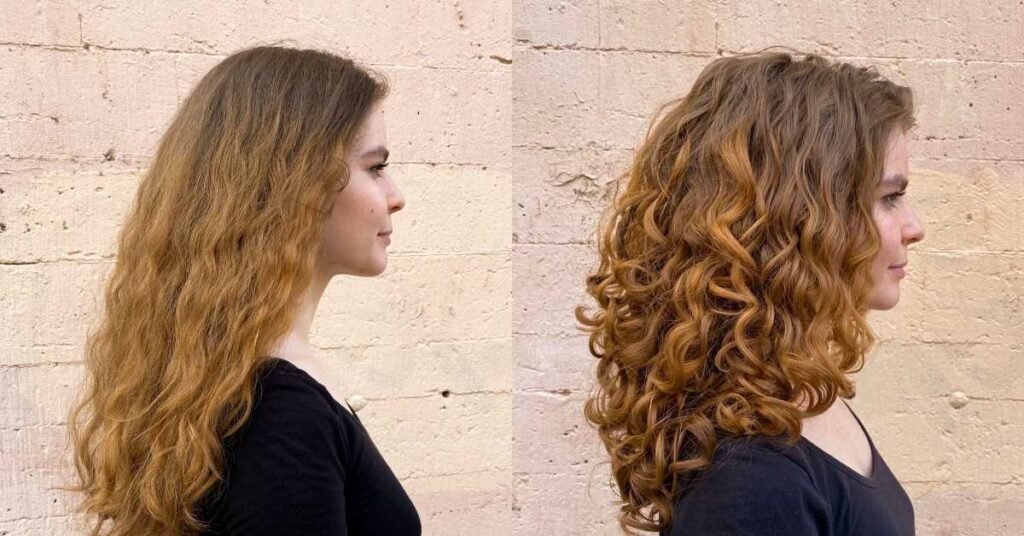
The best routine for wavy hair isn’t a one-size-fits-all formula it’s a weekly system that rotates between wash days, styling days, and refresh days. How often should you wash wavy hair? For most people, two to three times a week is the sweet spot. Washing daily strips your scalp of its natural oils, which your waves desperately need to stay moisturized and defined. Washing too infrequently leads to product buildup that weighs the waves down. Two to three wash days per week keeps everything balanced.
The Curly Girl Method (CGM), developed by Lorraine Massey, is widely embraced in the curly and wavy hair care community and offers a strong foundation for building a solid wavy hair care routine. It centers on cutting out sulfates and silicones, embracing conditioner-led cleansing (co-washing), and styling on wet hair. Not every part of CGM works for every wavy hair type particularly for fine 2A hair that gets weighed down easily but the core principles are sound. Hydration for wavy hair is non-negotiable, scalp health is essential, and the less you manipulate your waves while they dry, the better they’ll look.
“The secret to great wavy hair isn’t the most expensive product. It’s consistency and understanding what your hair actually needs.” Common wisdom in the curly and wavy hair care community
Key Weekly Routine Breakdown
| Day Type | What to Do | Focus |
| Wash Day | Shampoo, condition, deep treat, style | Cleanse + define |
| Style Day | Re-wet, apply product, scrunch | Refresh definition |
| Refresh Day | Spray bottle, scrunch, diffuse briefly | Revive waves |
| Rest Day | Pineapple updo, protective style | Preserve shape |
Night Routine for Protecting Wavy Hair While Sleeping
How to maintain wavy hair overnight is a topic that doesn’t get nearly enough attention but it should. Eight hours of tossing and turning on a cotton pillowcase can completely undo a beautiful wash day. Cotton fabric creates friction. That friction roughens up the hair cuticle, causing breakage, tangles, and frizz. By morning, your perfectly defined waves from the night before look like a bird’s nest. The fix is simple and it doesn’t take more than two minutes before bed.
How to refresh wavy hair after sleeping starts with protecting it before you sleep. The pineapple method is the most popular technique in the natural wavy hair care world and it works. Flip your hair upside down and gather it loosely at the very top of your head, securing it with a soft scrunchie (never a tight elastic). This keeps the wave pattern intact while you sleep without creating a flat spot at the crown. Pair this with a satin or silk pillowcase and you’ve cut your morning frizz problem in half. A satin bonnet works even better if you move a lot in your sleep.
Nighttime Protection Essentials for Wavy Hair:
The Pineapple Method loose high ponytail at the crown
Silk or satin pillowcase reduces friction dramatically
Satin bonnet best option for active sleepers
Light refreshing mist a small spritz of water or leave-in before bed
Soft scrunchie never a tight rubber band or elastic
Wash Day Routine for Wavy Hair
Wash day is the most important day in your wavy hair care routine. Everything your wave definition, your frizz levels, your overall hair health hinges on how well you execute wash day. How to care for thick wavy hair especially relies on a thorough, methodical wash day process because thick waves hold onto product buildup more stubbornly than finer types. Getting wash day right sets your waves up for the entire week.
How often should you wash wavy hair depends on your scalp type and wave pattern. Oily scalps may need washing every other day. Drier scalps can go three to four days between washes. For most people, two to three wash days per week is ideal. Always start with lukewarm water hot water opens the cuticle too aggressively and causes moisture loss. Finish your rinse with cool water to seal the cuticle and lock in shine. Even that small temperature shift makes a noticeable difference in how smooth and defined your waves look after drying.
Sulfate-Free Shampoo & Conditioner Method
Sulfate-free shampoo for wavy hair is non-negotiable if you want healthy, defined waves. Sulfates are powerful detergents found in most conventional shampoos. They create a satisfying lather but strip your hair of its natural oils in the process. For wavy hair which already struggles to distribute those natural oils down the length of the hair shaft this stripping effect is genuinely damaging. It leaves waves dry, frizzy, and without definition. Switching to a sulfate-free shampoo is one of the single most impactful changes you can make for your wavy hair routine.
How to reduce frizz in wavy hair starts at the shampoo step. Focus your shampoo application entirely on your scalp. Work it in with your fingertips using circular massaging motions this stimulates blood flow to the scalp and loosens buildup without roughing up your lengths. Let the shampoo rinse down through your ends rather than scrubbing it in. Then apply your silicone-free conditioner from mid-lengths to ends. Use the “squish to condish” technique: cup your hair and scrunch the conditioner in with a squishing motion while the water runs through it. This forces conditioner deep into the hair cuticle for maximum hydration for wavy hair. Rinse with cool water and you’re ready to style.
Deep Conditioning & Hair Mask Steps
Deep conditioning for waves is the practice that separates good hair weeks from great ones. Regular conditioner sits on the surface of the hair and provides temporary softness. A deep conditioning treatment or hair mask penetrates the cortex of the hair strand, delivering intensive moisture, protein, and nutrients that transform the texture and strength of your waves over time. How to moisturize wavy hair properly means going beyond your regular rinse-out conditioner you need a dedicated deep treatment at least once a week.
Why is my wavy hair frizzy even after conditioning? Often it’s because the hair is moisture-deprived beneath the surface. A deep mask fixes this. Apply your deep conditioning mask in sections on freshly cleansed, wet hair. Use a wide-tooth comb to distribute it evenly from roots to ends. Cover your hair with a shower cap and apply gentle heat either sit under a hooded dryer for 20 minutes or wrap a warm towel around your head. Heat opens the cuticle and allows the treatment to penetrate more deeply. Rinse thoroughly with cool water. You’ll feel the difference the moment you rinse it out softer, smoother, more defined natural wavy hair is the result.
DIY Deep Conditioning Mask Options
| Mask Recipe | Key Benefits | Best For |
| Avocado + honey + olive oil | Intense moisture, softness | Dry or coarse 2C waves |
| Banana + coconut oil | Strength, smoothness | All wave types |
| Greek yogurt + egg | Protein repair | Damaged or over-processed waves |
| Aloe vera + castor oil | Scalp health, shine | Fine 2A waves, oily scalp |
Styling Wavy Hair for Definition & Volume
How to style wavy hair naturally is about working with your wave pattern, not fighting it. The best wavy hair styling tips all revolve around one central idea: your waves want to form you just need to create the right environment for them. That means applying the right products at the right time, using techniques that encourage clumping, and giving your waves the time and space to dry without interference. Define wavy hair properly and you won’t need heat tools, serums, or complicated finishing steps.
Volume for wavy hair and definition don’t have to be mutually exclusive though many people treat them like opposing forces. The secret is in the layering of your products. A lightweight leave-in conditioner adds moisture without weight. A curl cream on top locks in that moisture and starts forming the wave clumps. A light mousse or gel on the outside creates the hold that keeps everything in place as the hair dries. This layered approach often called the LOC or LCO method in the curly and wavy hair care community gives you waves that are defined, bouncy, and full of life.
How to Apply Curl Cream for Wavy Hair
How to define wavy hair without heat almost always involves a good curl cream and knowing how to apply it correctly. The most common mistake people make is applying curl cream to damp hair that’s already partially dried. Don’t do that. Always apply curl cream to soaking wet hair. The water acts as a carrier, helping the cream distribute evenly and deeply through every strand. If your hair is only slightly damp, add water with a spray bottle before you begin.
What helps wavy hair stay defined throughout the day is a combination of the right product amount and the right technique. For medium-length hair, a golf-ball-sized amount of curl cream is a good starting point more for thick or long hair, less for fine or short hair. Divide your hair into two or four sections. Apply the cream using either the “prayer hands” method (smoothing it down and around each section between flat palms) or the scrunching method (squeezing the product upward into the hair). For more volume, go with scrunching. For sleeker definition, use prayer hands. After the cream, you can layer a gel over the top. Your hair will dry with a hard, crunchy cast don’t panic. Once it’s fully dry, scrunch it firmly with your hands to break the cast. This is called the “scrunch out the crunch” (SOTC) technique and it reveals soft, bouncy, defined waves underneath.
Texturizing Spray & Mousse Techniques
Texturizing spray for wavy hair is one of the most underrated tools in the wavy hair styling world especially for type 2A hair. It adds grit, texture, and movement without any heaviness. Sea salt spray is the most popular version and it’s also one of the most natural options, mimicking the effect salt water has on your hair at the beach. That’s why how to get beach waves naturally often comes down to a simple DIY salt spray: water, sea salt, a bit of coconut oil, and maybe a drop of essential oil for fragrance. Spritz it on damp hair, scrunch, and air dry. The result is that effortless beach waves routine texture that looks like you just stepped off the sand.
Mousse for wavy hair works differently from curl cream it’s lighter, airier, and gives more volume than definition. It’s excellent for type 2A hair routine where the goal is to add body without weighing the waves down. Apply mousse upside down: flip your head forward and distribute the product through your hair while it hangs down. Scrunching it in this position encourages volume at the roots. Don’t layer mousse on top of a heavy gel pick one based on your priority. Mousse for volume. Gel for definition and hold. A light finishing spray to lock everything in place without crunch.
Read More About: Jeans Outfits for Women 2026 The Ultimate Denim Style Guide for Every Figure & Every Occasion
Best Haircuts for Wavy Hair (Trending Styles)
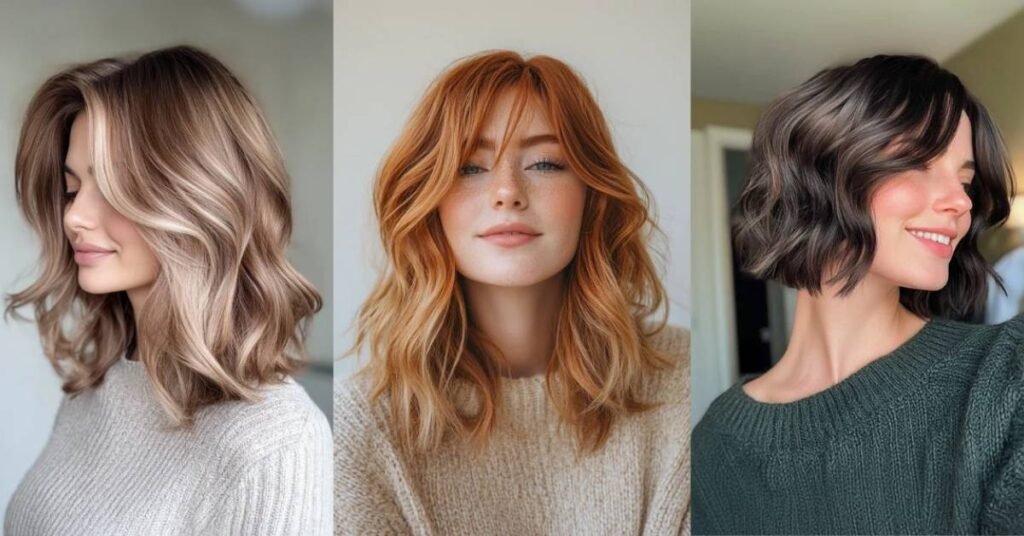
The right haircut can transform your wavy hair completely. This isn’t an exaggeration. A poorly chosen cut weighs your waves down, creates pyramid-shaped volume at the bottom, or removes the very texture that makes wavy hair so beautiful. A great cut does the opposite it removes bulk in all the right places, adds movement, and lets your natural wave pattern do the work. Enhance natural waves with strategic layering and you’ll spend far less time and effort styling.
How to prevent wavy hair from getting flat is often a haircut issue before it’s a product issue. When hair is one length and carries too much weight, the waves can’t hold themselves up. They go limp by midday. Layers fix this immediately. By removing weight through the lengths and ends, layers allow each wave to form freely and spring up rather than hanging flat. When you go to your stylist, communicate clearly: you want layers that are cut while your hair is dry and in its natural wave state, or at least shaped while accounting for how your waves will sit. Cutting wavy hair straight while wet is a recipe for a shape that doesn’t work once it dries.
Shag Haircut for Wavy Hair
The shag haircut for wavy hair is the single most flattering trend of 2024–2025 for wave-haired people and it’s not hard to see why. The shag is built on layers: short layers at the crown, gradually lengthening through the mid-lengths, and wispy, textured ends. For wavy hair, this structure is pure magic. Every layer gives another wave the space to form freely. The result is a haircut that practically styles itself.
Curtain bangs paired with a shag are a combination that works beautifully with wavy hair because curtain bangs frame the face with a gentle wave of their own. They’re low-maintenance, grow out gracefully, and look effortless at every stage of growth. The shag works best for 2B and 2C hair types where there’s enough natural texture to fill out the layers. Maintenance is simple: a trim every eight to ten weeks to keep the shape fresh and the ends healthy.
Wolf Cut, Lob & Layered Styles
The wolf cut for wavy hair took over social media in 2024 and it’s still going strong. It’s essentially a modern evolution of the shag shorter layers at the crown with longer, wilder layers through the lengths. It has an effortlessly edgy quality that works particularly well for thick wavy hair care routine clients because the heavy layering removes bulk and creates incredible movement. If the shag is the refined version, the wolf cut is the rockstar version. Both are excellent choices.
The lob for wavy hair a long bob that hits anywhere from the chin to the collarbone is one of the most universally flattering cuts across all wave types. It’s short enough to feel fresh and modern but long enough to show off your wave pattern. For 2A and 2B hair types, the lob is often the perfect length because it doesn’t carry enough weight to pull the waves straight. Layered haircuts in general are the universal solution for every wavy hair type they work with the texture rather than fighting it and are the foundation of every great soft waves hairstyle.
Short Haircuts for Wavy Hair (Pixie, Bob)
Short wavy haircuts are bold, low-maintenance, and surprisingly beautiful when done right. The wavy bob is a classic for a reason it hits at a length that shows off the wave pattern perfectly while being easy to manage and quick to style. A bob on wavy hair doesn’t need much product: a small amount of curl cream, a quick scrunch, and either air drying or a brief diffuse session. Done in minutes. The result looks effortlessly polished.
The pixie cut for wavy hair is for the bold ones and it genuinely rewards that boldness. Short wavy hair has incredible texture and movement that becomes even more apparent at a shorter length. The waves cluster near the crown and temples, creating a naturally tousled, lived-in look that takes almost no effort to style. One important note: short wavy hair needs more consistent moisture than longer lengths because natural oils have a shorter distance to travel down the hair shaft. Prioritize lightweight hydration for wavy hair and your short waves will stay soft and healthy.
How to Refresh Wavy Hair Between Washes
How to refresh wavy hair after sleeping or after a long day is one of the most practical skills in your wavy hair care routine. Nobody wants to do a full wash every day. And with wavy hair, you really shouldn’t. Washing daily strips away the natural oils that help your waves form and stay healthy. But second-day wavy hair can be challenging: the waves may be flat, frizzy, or misshapen from sleeping or general wear throughout the day. A good refresh technique solves all of this in under ten minutes.
How to refresh wavy hair between washes is less about adding more product and more about reactivating what’s already in your hair. Most styling products in your hair are water-soluble, which means they wake right back up when moisture is reintroduced. This is great news because it means refreshing your waves is simpler than it sounds. A little water, a little technique, and maybe a small amount of additional product if needed. That’s really all it takes to bring your waves back to life.
Reviving Waves with Water & Spray Techniques
Refresh wavy hair the easy way with a simple spray bottle of water. Fill it with a mixture of water and a small amount of leave-in conditioner about a teaspoon of conditioner to every cup of water. Some people also add a few drops of a lightweight oil like argan or jojoba for extra shine and softness. Shake it well and mist it over your hair until it’s lightly damp. Not soaking wet just damp enough to reactivate the product already in your hair. Then scrunch upward, section by section, and either air dry or diffuse briefly.
How to get soft natural waves on refresh day often comes down to the “super soaker” method when your second-day hair is particularly flat or frizzy. Wet your hair much more thoroughly than you would for a regular refresh almost as wet as it would be after a shower. Apply a small amount of curl cream or a wave refresher spray, scrunch thoroughly, and let it air dry or diffuse on low. This method takes a little longer but delivers wash-day-level results without the full washing process. It’s a game-changer for heatless styling for wavy hair on busy mornings.
Quick Fixes for Frizz & Flat Waves
Why is my wavy hair frizzy even after refreshing? Often it’s because the hair cuticle is raised and rough, either from friction, dryness, or humidity in the air. The quickest fix for surface frizz on dry hair is a tiny amount of anti-frizz serum and the key word is tiny. Rub one or two drops between your palms and smooth them lightly over the surface of your hair without scrunching in. You’re sealing the cuticle, not adding product to the waves themselves. Scrunching anti-frizz serum into dry hair tends to disrupt the wave pattern and make things worse.
Frizz control for wavy hair on flat days calls for a different approach. Dry shampoo at the roots can add volume and texture when waves are sitting flat from oil buildup. Flip your head upside down, spray at the roots, and massage gently with your fingertips. Then shake your head and let the volume fall naturally. If your waves are completely misshapen and neither a spray refresh nor dry shampoo fixes it, pull your hair into a loose, high bun the pineapple position for thirty minutes while you go about your routine. Often, just giving your waves a chance to reset in that position brings them back to life. And if none of that works, an effortless messy bun or a loose braid is always a stylish and respectable fallback.
Common Mistakes to Avoid with Wavy Hair

Even the best products can’t save a wavy hair routine built on bad habits. The truth is, most people are unknowingly doing several things every single day that work directly against their natural wave pattern. These aren’t obscure mistakes they’re incredibly common. Brushing hair at the wrong time. Using too many products. Applying heat without protection. Skipping deep conditioning. Any one of these habits can keep your waves from reaching their full potential. Together, they’re the reason so many people feel like their wavy hair just “doesn’t work.”
How to make wavy hair look better often starts with stopping something rather than starting something new. This section identifies the most damaging habits in wavy hair maintenance and explains exactly why they cause problems so you can course-correct with full understanding rather than just a list of rules to follow.
Over-Brushing & Product Overload Issues
How to define wavy hair without heat is impossible if you’re brushing it dry. Brushing dry wavy hair is the cardinal sin of wavy hair care. A brush physically separates your wave clumps into individual strands. The result is a fluffy, frizzy halo rather than defined waves. Detangle your hair only when it has conditioner in it and you’re standing in the shower. Use your fingers first, then a wide-tooth comb if needed. Once you’re out of the shower and applying products, no brush touches your hair again until your next wash day.
Product overload is the other major culprit behind limp, undefined waves. More product is not better. When you pile on too many products a leave-in, a cream, a gel, a serum, a mousse, a spray you weigh the hair down and create buildup that blocks moisture from getting in. Your waves go flat, feel heavy, and lose their natural bounce. Best products for wavy hair routine means choosing two to four products that work well together, not ten products that cancel each other out. When your waves start looking dull and flat despite your efforts, do a reset week: just sulfate-free shampoo and silicone-free conditioner for a full week, no styling products. It clears the slate and reminds you of your hair’s natural baseline texture.
Heat Damage & Wrong Product Usage
Heat is the silent destroyer of wavy hair. Occasional use of a diffuser on low heat is generally fine and even beneficial for encouraging wave formation. But regular use of flat irons, curling wands, and high-heat blow dryers permanently alters the hydrogen bonds in your hair shaft the very bonds responsible for your wave pattern. Over time, consistent heat damage straightens the wave pattern, making it increasingly difficult to get your natural waves to form. Heatless styling for wavy hair isn’t just a trend it’s a genuinely protective practice.
Wrong product usage is just as damaging, if more slowly. Heavy silicones coat the hair shaft in a layer that blocks moisture from getting in your deep conditioning treatments and hydrating products literally can’t penetrate the barrier. Silicones also build up over time and are only removed by sulfate shampoos, creating a cycle of stripping and coating that leaves your waves perpetually dry. Silicone-free conditioner and styling products break this cycle. Similarly, heavy oils like castor oil or coconut oil, when applied to fine 2A waves, will simply weigh them flat. Always choose products formulated for your specific wavy hair type what works beautifully for 2C hair can be a complete disaster on 2A hair.
| Mistake | Why It Hurts Your Waves | The Fix |
| Brushing dry hair | Breaks wave clumps, causes frizz | Detangle only with conditioner in shower |
| Using too many products | Buildup, limp waves | Stick to 2–4 products max |
| Skipping heat protectant | Permanent heat damage | Always apply before any heat tool |
| Using heavy silicones | Blocks moisture absorption | Switch to silicone-free products |
| Washing too frequently | Strips natural oils | Wash 2–3x per week only |
| Touching hair while drying | Disrupts wave formation | Hands off until fully dry |
Expert Tips for Long Term Wavy Hair Health
Long-term wavy hair maintenance isn’t just about looking good today it’s about building habits that keep your waves healthy, strong, and defined for years to come. Great waves aren’t just genetic luck. They’re the result of consistent care, smart product choices, and an understanding of how your hair responds to its environment. This section brings together the advanced knowledge that separates people who occasionally have great wave days from people who have consistently beautiful natural wavy hair year-round.
How to enhance natural waves over the long term comes down to two things: protecting your hair from the things that damage it and giving it what it needs to thrive. Weather and climate are two factors most people never consider when building their wavy hair care routine but they have an enormous impact on how your waves behave day to day.
Protecting Waves from Humidity & Weather
Humidity and wavy hair have a notoriously complicated relationship. Here’s the science behind it: wavy hair has a raised cuticle compared to straight hair, which makes it more porous and more reactive to moisture in the air. When humidity is high, hair absorbs that moisture unevenly. Some strands swell more than others. The result is frizz that familiar puffiness and lack of definition that plagues so many wavy-haired people in summer. Frizz control for wavy hair in humid conditions requires products that seal the cuticle and create a barrier against excess atmospheric moisture.
Anti-humidity products specifically gels, finishing sprays, and serums that contain anti-humectants are your best defense. Look for ingredients like beeswax, dimethicone (in moderation for high-porosity hair), and polymers that form a flexible film over the hair strand. One ingredient to be careful with is glycerin. Glycerin is a humectant, meaning it draws moisture toward the hair. In high-humidity environments like Florida, Georgia, or coastal areas of the USA, glycerin can draw too much moisture and cause frizz. In dry climates like Colorado or Arizona, glycerin is actually beneficial because it pulls just enough moisture to keep waves hydrated. Seasonal wavy hair care routine adjustments lighter products in summer, richer ones in winter make a significant difference in how well your waves hold up year-round.
Protein vs Moisture Balance for Wavy Hair
How to moisturize wavy hair properly is inseparable from understanding hair porosity. Porosity refers to how easily your hair absorbs and retains moisture and it’s determined by the structure of your hair cuticle. Low-porosity hair has a tightly closed cuticle that resists moisture but retains it well once it gets in. High-porosity hair has a raised or damaged cuticle that absorbs moisture easily but loses it just as fast. Knowing your porosity type tells you exactly how much protein vs. moisture your hair needs and getting this balance wrong is the most common reason for persistent frizz, limpness, or breakage.
Protein vs moisture wavy hair balance is something you can learn to read directly from your hair’s behavior. If your waves feel mushy, limp, and stretch without snapping back, they have too much moisture and not enough protein. If your waves feel stiff, brittle, and snap easily when stretched, they have too much protein. A simple at-home test: take a clean strand of hair, hold it at both ends, and gently stretch it. Healthy hair with good balance stretches slightly and springs back. Protein treatment for wavy hair should be used once a month for most people, or more frequently for color-treated or heat-damaged hair. Deep moisture masks fill the weeks in between. Alternate rather than combining using a protein treatment and a moisture mask at the same time can push your hair out of balance faster than either one alone.
Hair Porosity Quick Test
| Method | How to Do I | Low Porosity Result | High Porosity Result |
| Float Test | Drop clean strand in water, wait 2–4 min | Floats on surface | Sinks quickly |
| Spray Test | Spray water on hair | Beads up, sits on surface | Absorbs immediately |
| Feel Test | Slide fingers up strand from tip to root | Smooth, bumps slightly | Rough, very bumpy |
FAQs
What is the best wavy hair routine?
What is the best wavy hair routine? The best wavy hair routine is one that cleanses gently, hydrates deeply, and styles consistently on wet hair. Start with a sulfate-free shampoo focused on the scalp, follow with a silicone-free conditioner using the “squish to condish” method, apply styling products leave-in, curl cream, and gel or mousse to soaking wet hair, and either air dry or diffuse on low. Wash two to three times per week, deep condition once a week, and refresh waves between washes with a water and leave-in spray. That’s the foundation of an excellent wavy hair care routine for any wave type.
How do beginners take care of wavy hair?
Easy wavy hair routine for beginners starts with three rules: use fewer products than you think you need, always style on soaking wet hair, and never brush dry. Start with a sulfate-free shampoo, a silicone-free conditioner, and one styling product a light curl cream for 2B and 2C, or a mousse for 2A. Scrunch your products in gently, plop with a microfiber towel, and air dry. Resist the urge to touch your hair while it’s drying. That’s really the core of how to take care of wavy hair as a beginner simplicity and patience.
What products are best for wavy hair?
Best products for wavy hair routine include a sulfate-free shampoo, a silicone-free conditioner, a curl cream or mousse matched to your wave type, a lightweight leave-in conditioner, and a gel or light holding spray for definition. A microfiber towel or cotton T-shirt for drying and a wide-tooth comb for detangling round out the essentials. For frizz control for wavy hair, an anti-frizz serum used sparingly on dry hair is your best friend. For hydration for wavy hair, a weekly deep conditioning mask is the most impactful addition you can make beyond your basic routine.
How do you keep wavy hair defined overnight?
How to maintain wavy hair overnight comes down to the pineapple method combined with a satin or silk pillowcase. Gather your hair loosely at the very top of your head in a gentle, high ponytail held with a soft scrunchie. This preserves the wave pattern without flattening the crown or creating creases. Sleep on a satin or silk pillowcase to reduce friction on the hair surface. In the morning, refresh wavy hair with a light mist of water and leave-in spray, scrunch gently, and diffuse briefly if needed. This two-minute morning routine brings your waves right back to life after a full night of sleep.
Conclusion
Beautiful wavy hair has always been possible it just needs the right approach. Start by identifying your wave type, whether you’re a 2A, 2B, or 2C. Build a simple, consistent wavy hair care routine around sulfate-free cleansing, deep conditioning, and wet-hair styling. Protect your waves overnight, refresh them between washes, and avoid the common mistakes that silently undermine your efforts. Choose haircuts that work with your texture. Understand the protein and moisture balance your specific hair needs. Adjust your routine for the seasons and your local climate.
How to take care of wavy hair isn’t complicated once you understand what your waves actually need. It just requires consistency, the right techniques, and a little patience. Your waves have been there all along waiting for the right routine to let them shine. Start with one new habit this week. Try the pineapple method tonight. Switch to a sulfate-free shampoo on your next wash day. Add a deep conditioning mask to your next shower. Small changes stack up fast. Your best waves are genuinely one good routine away and now you have everything you need to build it.


