
Balayage Hair: The Complete Guide to Dimensional, Natural-Looking Highlights in 2026

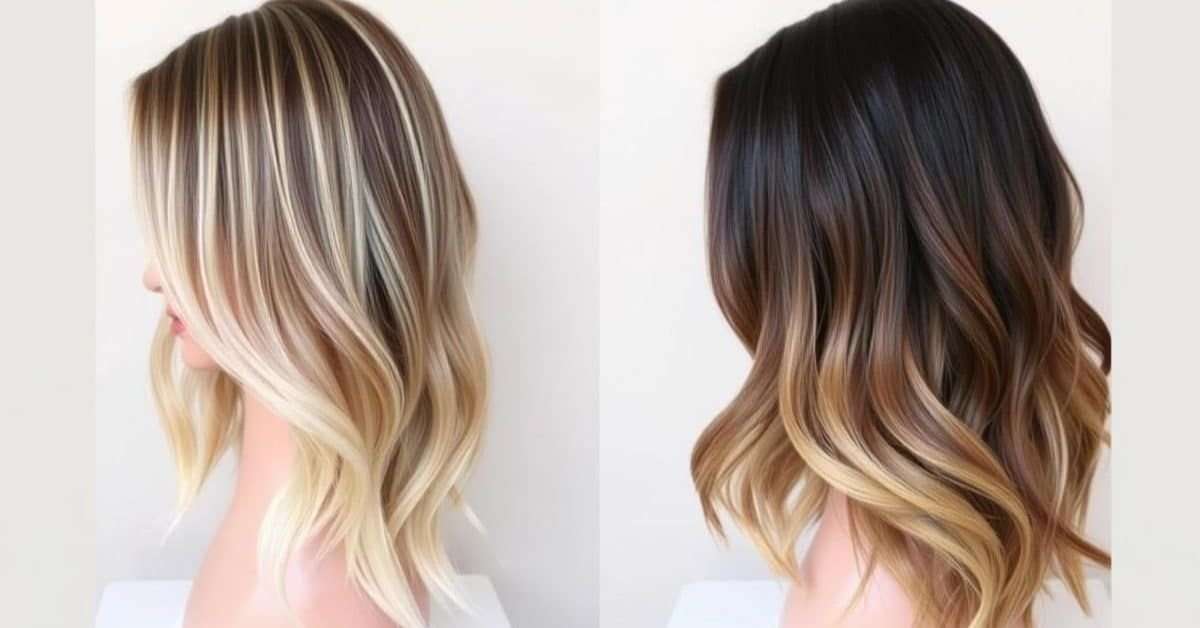
Have you ever seen someone walk into a room and their hair just glows? Not in an over-processed, obviously-dyed kind of way but in a “did the sun personally style her hair this morning?” kind of way. That’s balayage hair doing exactly what it’s designed to do. It’s effortless. It’s gorgeous. And once you understand it, you’ll wonder how you ever lived without it.
Balayage hair has completely transformed the way colorists think about dimension, depth, and natural beauty. It isn’t just a trend that came and went. It’s been the dominant salon hair coloring technique for over a decade now and it shows absolutely zero signs of slowing down. In fact, balayage hair trends 2026 are bigger, bolder, and more personalized than ever before from ultra-subtle soft hair transitions to dramatic multi tonal hair color that stops people mid-scroll.
This complete guide covers everything. What is balayage hair, how it works, balayage hair vs highlights, cost, maintenance, DIY options, the best color ideas for every hair type, and exactly what to say to your stylist to get the look you actually want. Whether you’re a total first-timer or someone looking to switch up their current color approach, you’re in exactly the right place. Let’s get into it.
What Is Balayage Hair? The French Technique That Changed Everything
What is balayage hair really? The word itself comes from the French verb balayer, which means to sweep. And that’s precisely what a colorist does during this technique. They sweep hand painted hair color directly onto sections of your hair using a brush, working freehand rather than following a strict grid of foils. No caps, no foils, no uniform placement. Just a skilled hand, a good eye, and a brush loaded with lightener moving through your strands with intention and artistry.
The result is something that traditional coloring simply cannot replicate. Because every stroke is applied by hand and every placement decision is made visually rather than mechanically the finished look has an organic, lived in hair color quality that reads as natural rather than processed. The hair balayage technique concentrates lightener on the mid-lengths and ends of the hair, leaving the roots darker and allowing the color to transition gradually from deep to light. That intentional root shadow is a feature, not a flaw. It’s what makes the grow-out look so effortless and what makes balayage highlights so enduringly popular across the USA and beyond.
Why Is Balayage Trending Globally in 2026?
Globally, balayage hair trends 2026 are being driven by a powerful cultural shift toward what the beauty industry is calling “effortless authenticity.” People are exhausted by high-maintenance routines. They want to look polished without being chained to a salon chair every six weeks. Low maintenance hair color that still delivers genuine wow-factor is the holy grail and balayage delivers it better than any other technique on the market today.
Social media has amplified everything. TikTok transformation videos showing dark brunette hair being swept into sun-kissed hair highlights have racked up hundreds of millions of views. Pinterest boards dedicated to natural looking highlights and dimensional hair color remain among the platform’s most-saved beauty content year after year. Instagram colorists with massive followings have built entire personal brands around their balayage artistry. The technique translates beautifully to visual media which is exactly why it keeps going viral every single season.
Read More About: Hair Tinsel Complete Guide to Trendy Sparkly Hair Extensions Everything You Need to Know in 2026
What Does Balayage Do to Your Hair? The Science Behind the Shimmer
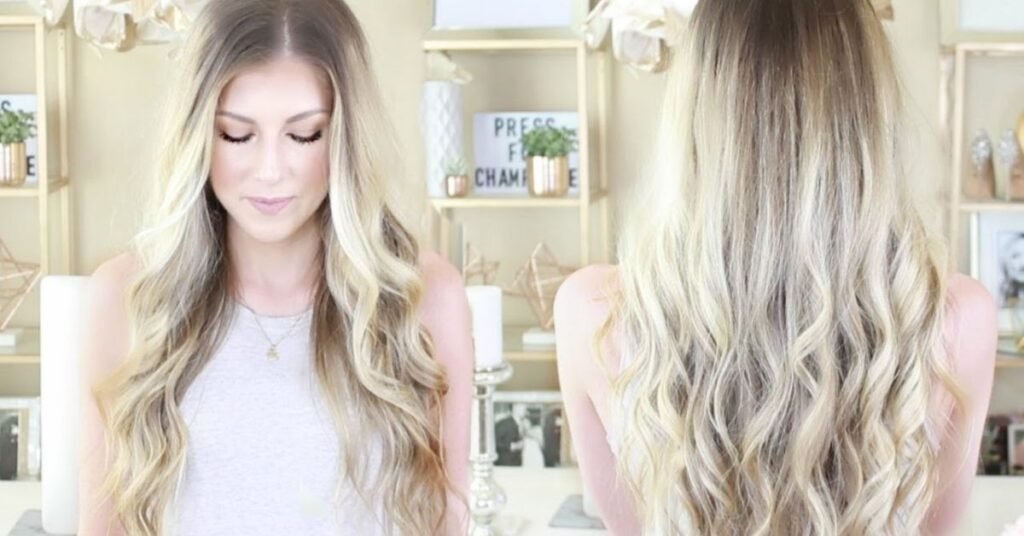
Balayage does something that very few hair coloring techniques manage to pull off it makes your hair look more like itself, only better. By selectively lightening specific sections while leaving others untouched, it creates hair color dimension that mimics exactly what sunlight would naturally do to your hair over a long summer. The darker sections recede visually. The lighter sections catch the light and come forward. The result is hair that appears thicker, more textured, and more alive than it did before a single drop of lightener was applied.
Think of it the way a painter thinks about a canvas. Flat, uniform color looks static. The moment you introduce light and shadow highlights and lowlights the image gains depth and movement. Dimensional balayage meaning is rooted in exactly this principle. Your hair becomes a painting rather than a flat wash of color. That’s why so many women describe their first balayage experience as transformative not just cosmetically but emotionally. Great hair color genuinely changes how you feel walking out of a salon.
Blended hair highlights are the most visible effect of balayage. Unlike traditional foil highlights which can create distinct, separated stripes of color balayage blends seamlessly into the surrounding hair. There are no hard lines. No obvious borders between your natural color and the applied lightener. The transition is gradual, feathered, and completely organic-looking. This is why what is the difference between balayage and ombre is such a common question both techniques avoid harsh lines, but they achieve their results differently. Ombre creates a dramatic top-to-bottom gradient. Balayage creates scattered, multi-directional lightness throughout the hair.
Benefits of Balayage Hair Color Worth Knowing
The benefits of choosing balayage hair color over other coloring methods are substantial and genuinely life-changing for anyone who’s ever spent too much time and money maintaining traditional color. The most celebrated benefit is the sun-kissed hair highlights effect that warm, natural-looking brightness that makes your complexion glow and your hair appear effortlessly beautiful in any light. It isn’t the painted-on brightness of foil highlights or the jarring contrast of box dye. It’s the kind of color that makes people ask “is that your natural hair?” And honestly? That’s the highest compliment a color service can receive.
Low maintenance hair color is the second major benefit and for many clients it’s the deciding factor. Traditional all-over color needs refreshing every 4 to 6 weeks before roots become obvious and the look starts to feel dated. Balayage highlights work on an entirely different timeline. Because the roots are intentionally left darker and the transition is gradual, most clients go 3 to 6 months between appointments without their hair looking grown-out or neglected. That’s a significant reduction in both salon visits and annual color spend which we’ll break down in detail later in this guide.
| Benefit | Balayage | Traditional All-Over Color | Foil Highlights |
| Natural appearance | Excellent | Moderate | Good |
| Grow-out grace period | 3–6 months | 4–6 weeks | 6–8 weeks |
| Customization options | Very High | Moderate | High |
| Damage level | Moderate | Moderate–High | Moderate–High |
| Annual salon visits | 2–4 | 8–12 | 6–8 |
| Average annual cost (USA) | $300–$600 | $600–$1,200 | $500–$1,000 |
Customization is the third major benefit and it’s one that doesn’t get nearly enough attention. Balayage hair color ideas span an extraordinary range from the most whisper-subtle subtle balayage hair ideas that barely change your base to bold, high-contrast transformations that genuinely reinvent your look. Every single application is tailored to the individual. Your face shape, skin tone, natural base color, hair texture, and lifestyle all factor into where the colorist places the lightener and which tones they choose. That level of personalization simply doesn’t exist in traditional coloring methods.
Balayage Hair vs Highlights Understanding the Real Difference
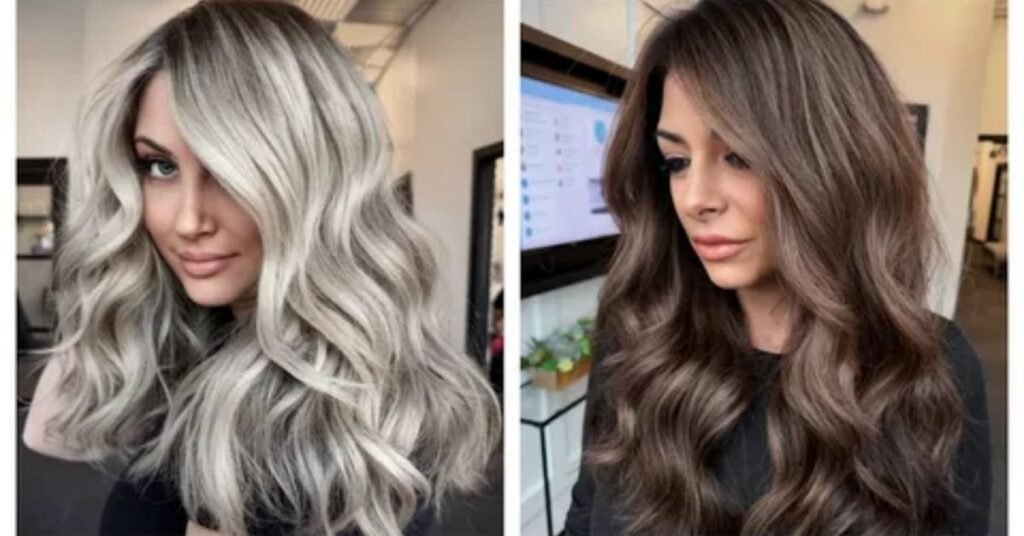
Balayage hair vs highlights is the comparison that comes up in virtually every salon consultation and for good reason the two techniques look somewhat similar on a finished result but differ dramatically in application, maintenance, and overall aesthetic. Is balayage better than highlights? The honest answer is: it depends entirely on what you want. But understanding exactly how they differ will help you make that decision with confidence rather than guessing.
Foil highlights use thin sections of hair wrapped in aluminum foil with lightener applied directly inside. The foil creates heat and speeds up the lightening process. It also creates very precise, separated sections of color. The result tends to be brighter, more uniform, and higher-contrast than balayage. It’s excellent for clients who want maximum brightness close to the root or a very specific, graphic color pattern. However, because foil highlights are so precise and start right at the scalp, the grow-out is much more obvious typically requiring a touch-up within 6 to 8 weeks before a visible root line appears.
| Factor | Balayage | Foil Highlights | Ombre |
| Application method | Freehand painted | Foil wrapped sections | Root-to-tip gradient |
| Start point | Mid-length to ends | At the root | At the root |
| Result | Soft, natural blend | Bright, uniform | Dramatic gradient |
| Grow-out appearance | Natural, seamless | Visible root line | Intentional |
| Maintenance frequency | Every 3–6 months | Every 6–8 weeks | Every 4–6 months |
| Best candidate | Natural look seekers | Maximum brightness | Bold contrast lovers |
| Average USA cost | $150–$300 | $100–$200 | $100–$200 |
What is the difference between balayage and ombre trips up a lot of people. Both avoid harsh lines and both create a transition from darker to lighter. But ombre is a deliberate, often dramatic gradient dark at the roots, transitioning progressively to light at the ends in a very directional, top-to-bottom sweep. Balayage highlights are scattered throughout the hair in multiple directions, creating depth rather than just a gradient. Balayage looks more like natural sun exposure. Ombre looks more like an intentional, artistic color choice. Neither is wrong they simply achieve different visual goals.
Dimensional Balayage Why It Looks More Natural Than Any Other Color Technique
Dimensional balayage meaning goes deeper than simply “painted highlights.” True dimensional balayage uses multiple tones sometimes three, four, or even five different shades applied strategically throughout the hair to create genuine depth. A skilled colorist might use a warm honey shade on the upper mid-lengths, a cooler champagne blonde toward the ends, and a soft caramel ribbon near the face frame. The result is multi tonal hair color that shifts and changes in different lighting conditions warm and golden in sunlight, cooler and more sophisticated under artificial light.
The soft hair transitions achieved through dimensional balayage are what separate it from every other coloring technique. Because the lightener is painted on with a feathered edge rather than applied into a sealed foil, the boundary between the natural hair and the colored section naturally diffuses during processing. There’s no hard line to soften afterward because the line was never hard to begin with. This is the technical secret behind why natural looking highlights from balayage look so genuinely natural the technique’s application method physically prevents harsh edges from forming.
Subtle Balayage Hair Ideas for the Most Natural-Looking Results
Subtle balayage hair ideas are having a serious moment right now. Not everyone wants a dramatic transformation. Some people maybe you want color that enhances rather than announces itself. Subtle balayage chooses a highlight shade just 2 to 3 levels lighter than your natural base color. The result is the kind of dimension that makes people say “your hair looks amazing lately” without them being able to identify exactly why. It’s enhancement rather than alteration. Refinement rather than reinvention.
Minimal contrast coloring works beautifully for anyone entering the world of hair color for the first time, professionals who prefer a more understated look, or anyone who simply loves their natural color and wants to add a little more life to it without straying too far. Some of the most gorgeous subtle balayage hair ideas in 2026 include toasted coconut balayage on dark brown hair, mushroom brown balayage for cool-toned brunettes, sandy blonde ribbons through medium chestnut bases, and soft caramel face-framing highlights that brighten the complexion without dramatically changing the overall color. These are everyday wearable styles that look just as appropriate in a boardroom as they do at a weekend brunch.
Balayage Highlights on Brown Hair The Best Color Ideas Right Now
Balayage highlights on brown hair produce some of the most stunning results in the entire spectrum of balayage hair color ideas. Brown hair whether light, medium, or deep has a natural warmth that responds beautifully to the lightening process, lifting to rich honey golds, warm caramels, and soft champagne shades depending on the underlying pigment. Brunette balayage tones hit differently than blonde-on-blonde work. There’s an inherent richness and depth to brunette balayage that feels more luxurious and less maintenance-heavy.
Best balayage for dark hair typically involves a two-stage process a lightening session to lift the natural pigment followed by a hair glossing treatment or toner to refine the final shade. For deep brunettes, this might mean achieving a warm caramel balayage rather than a platinum blonde and honestly, caramel balayage highlights on dark brown hair might be the most universally flattering color combination in modern hair history. The warmth of the caramel complements virtually every skin tone and the contrast against deep brown roots creates precisely the kind of dimensional hair color that looks intentional and expensive.
Ash Blonde Balayage: Cool, Smoky, and Effortlessly Chic
Ash blonde balayage is the cool-toned counterpoint to warm caramel and honey balayage and it has developed a fiercely loyal following among women who prefer sophisticated, editorial color over warm and sun-drenched tones. Ash blonde sits in the cool-to-neutral range of the blonde spectrum it has beige, grey, or smoky undertones rather than the golden warmth of traditional blonde. Applied over medium to dark brown bases, ash blonde balayage creates a stunning, high-fashion contrast that photographs beautifully and reads as incredibly chic in person.
Maintaining ash blonde balayage does require a specific care approach. Cool tones fade faster than warm ones because the underlying hair pigment naturally pulls warm (orange and yellow) as color washes out. A purple toning shampoo used once or twice per week neutralizes those warm undertones and keeps the ash tone fresh between salon visits. A hair glossing treatment every 6 to 8 weeks at the salon also dramatically extends the life of cool-toned balayage for blonde hair maintenance adding shine, sealing the cuticle, and refreshing the tone without requiring a full re-color service.
Golden Blonde Balayage: Sun-Drenched, Warm, and Universally Flattering
Golden blonde balayage is the warm-toned version and it consistently ranks as one of the most requested balayage hair color ideas in salons across the USA. There’s a reason for that. Warm golden and honey tones are incredibly flattering across a wide range of skin tones from fair and cool to medium olive to deeper warm complexions. The warmth of caramel balayage highlights and golden blonde tones adds a luminosity to the face that genuinely makes people look healthier, brighter, and more vibrant.
This is the aesthetic that defines California blonde the sun-kissed hair highlights look that has been aspirational in American beauty culture for decades. Golden blonde balayage achieves it without the damage of full bleaching, without the maintenance of traditional highlights, and with a grow-out so natural it practically styles itself. For spring and summer specifically, golden balayage is the single most requested service in salons from New York to Los Angeles and the balayage hair trends 2026 data confirms it’s not going anywhere anytime soon.
Read More About: 2C Hair: Complete Guide to Care, Styling & Maintenance (2025)
Can You Do Balayage Hair at Home? Honest Advice for Real People
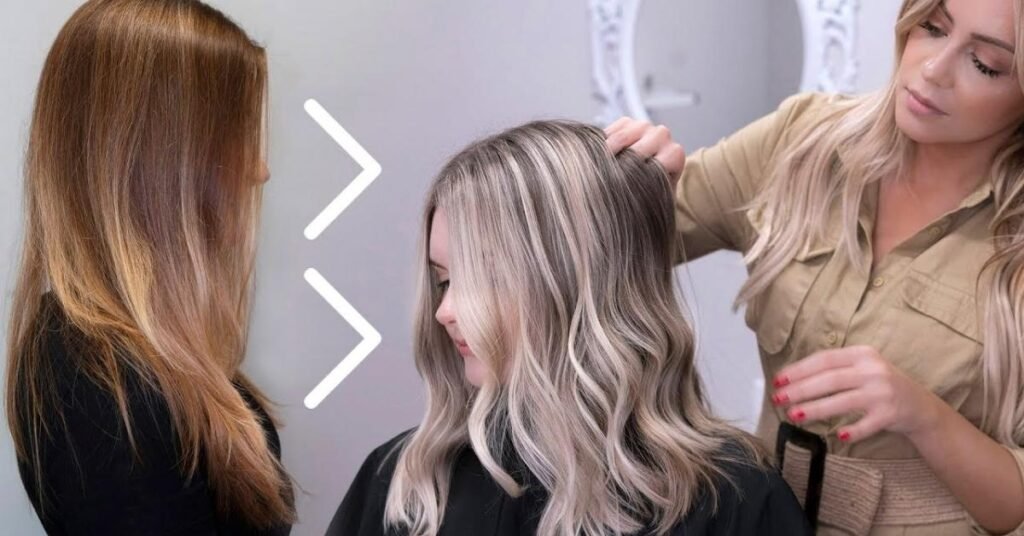
Can you balayage your hair at home? Yes with realistic expectations and the right approach, how to do balayage at home is achievable for many people. It’s one of the more forgiving salon techniques to attempt at home precisely because it’s freehand. There are no foils to manage, no grid pattern to follow, and no mechanical placement decisions. You paint where your eye tells you to paint. The grow-out is forgiving. And if the result isn’t perfect, the nature of the technique means imperfection often just looks like more natural variation.
However, balayage hair for beginners attempting DIY should understand the real limitations clearly before opening a bleach kit. How to do balayage at home successfully is significantly easier on medium to light brown hair than on very dark or previously chemically treated hair. Dark hair requires more lifting power and more processing time creating a higher risk of uneven results, brassiness, or over-processing if you don’t have professional experience reading the lightening process visually. Does balayage cover very dark hair well at home? Often not to the degree people hope. If your hair is level 3 or darker, or if you’ve had previous chemical treatments, a professional consultation is strongly recommended before attempting DIY.
Step-by-Step At-Home Balayage Guide for Beginners
How to do balayage at home starts long before you open a single packet of lightener. Preparation is everything. Here’s a complete step-by-step process designed specifically as a balayage hair for beginners guide:
| Step | Action | Key Details |
| 1 | Gather tools | Balayage kit, tint brush, mixing bowl, gloves, clips, old shirt, timer |
| 2 | Section hair | Divide into 4 quadrants 2 front, 2 back |
| 3 | Mix lightener | Follow kit instructions exactly don’t improvise developer volume |
| 4 | Start at back bottom | Paint onto mid-lengths and ends, feathering edges with brush |
| 5 | Work upward | Move section by section toward crown, maintaining feathered edges |
| 6 | Add face framing | Apply face framing highlights around hairline last |
| 7 | Process and check | Check every 10 minutes total time 20 to 45 minutes depending on hair |
| 8 | Rinse and tone | Rinse thoroughly, apply toner if needed, deep condition |
The most common mistake beginners make is applying too much lightener too close to the roots. Remember balayage highlights start at the mid-length. Leave the top quarter of each section completely untouched. That natural root shadow is the whole point. Also resist the urge to over-saturate each section with lightener a thinner, more precise application actually lifts more evenly and produces a cleaner result than a heavy-handed application.
How Long Does Balayage Hair Last? What to Really Expect
How long does balayage last is one of the most frequently asked questions in any salon consultation and the answer is genuinely one of balayage’s strongest selling points. Most clients with balayage highlights can comfortably go 3 to 6 months between appointments without their color looking obviously grown-out or neglected. Compare that to traditional all-over color (4 to 6 weeks) or foil highlights (6 to 8 weeks) and the time and cost savings become immediately obvious.
Why does it last so much longer? Because the technique is designed around the natural root shadow. There’s no harsh line of demarcation at the root that signals “this color is growing out.” The darker roots simply blend into the lighter mid-lengths and ends in exactly the way they were designed to. The lived in hair color aesthetic is built into the technique from the very first application. That said, several factors do affect how long does balayage last beyond the base timeline.
| Factor | Impact on Longevity | What to Do |
| Hair porosity | High porosity fades faster | Use bond-building treatments regularly |
| Washing frequency | More washes = faster fade | Wash 2–3 times per week maximum |
| Water temperature | Hot water opens cuticle | Always use lukewarm water |
| Sun exposure | UV rays break down color | Use UV-protective hair spray |
| Heat styling | High heat fades color | Always use heat protectant |
| Product quality | Harsh products strip color | Use sulfate-free, color-safe products |
| Toner refresh | Toner fades faster than lightening | Refresh toner every 6–8 weeks |
How Much Does Balayage Cost? A Transparent Pricing Guide
How much does balayage cost in the USA varies enormously depending on where you live, which salon you choose, and the complexity of your specific service. The national average for a standard balayage hair cost in salon ranges from $100 to $300 for a partial balayage and $150 to $450 for a full balayage service. Add a toner, a gloss treatment, or a bond-building treatment like Olaplex and that number climbs further often totaling $200 to $500+ for a comprehensive color appointment at a mid-to-high-end salon.
Regional pricing differences across the USA are significant and worth knowing before you shop around. Major metropolitan areas like New York City, Los Angeles, San Francisco, and Miami command the highest prices often $250 to $600+ for a full balayage service at a reputable salon. Midwest and Southern markets are considerably more accessible many excellent salons in cities like Nashville, Columbus, or Kansas City offer full balayage services in the $120 to $250 range. The quality of the work often has more to do with the individual stylist’s skill level than the price point, so researching your colorist’s portfolio matters far more than chasing the cheapest appointment.
Salon Balayage Pricing Factors Explained Clearly
Multiple specific factors drive balayage hair cost in salon beyond just geography. Hair length and thickness play the biggest role longer, thicker hair requires more product and more time. A pixie cut balayage might take 45 minutes. Waist-length hair might take 3 hours or more. The number of tones used also affects price a single-shade hand painted hair color service costs less than a complex multi tonal hair color application using three or four different shades. Stylist experience level matters too a junior stylist in a training position might charge $80 to $120 while a master colorist with 15 years of experience and a full client waitlist might charge $400 or more for the exact same service.
| Pricing Factor | Impact on Cost | Typical Range Added |
| Hair length (short vs long) | Major | +$50 to +$150 |
| Partial vs full balayage | Major | +$50 to +$100 |
| Number of tones | Moderate | +$30 to +$80 |
| Toner included | Moderate | +$30 to +$60 |
| Bond builder (Olaplex) | Moderate | +$25 to +$50 |
| Gloss/glaze treatment | Minor–Moderate | +$20 to +$50 |
| Stylist experience level | Major | +$50 to +$200 |
| Salon location/prestige | Major | +$50 to +$200 |
Does Balayage Damage Hair? The Honest, No-Fluff Answer
Does balayage damage hair? Here’s the honest answer any chemical lightening process involves some level of structural impact on the hair. Bleach works by opening the hair’s cuticle and breaking down the natural pigment molecules inside the cortex. That process, by definition, alters the hair’s protein structure to some degree. So yes balayage involves chemical processing and chemical processing always carries some risk of damage if handled incorrectly or applied excessively.
However, does balayage damage hair more than other coloring techniques? Generally, no and in many cases it’s significantly less damaging. Because balayage highlights are applied starting at the mid-length rather than the root, the most structurally vulnerable part of your hair the scalp area receives zero chemical contact during a standard balayage service. Because lightener covers less total surface area than all-over color or full-head foils, the cumulative chemical impact per session is lower. And because clients go 3 to 6 months between appointments rather than 4 to 6 weeks, the hair has substantially more recovery time between services.
How to reduce damage from balayage comes down to a few key practices that every colorist recommends. Bond-building treatments most famously Olaplex No. 1 and No. 2 are used during the lightening process itself to reconnect broken disulfide bonds within the hair’s protein structure in real time. This is not a marketing gimmick. The science behind bond multiplier technology is legitimate and the difference in hair condition between a balayage done with and without a bond builder is genuinely noticeable. Deep conditioning treatments at home, avoiding excessive heat styling, and spacing appointments appropriately all contribute significantly to keeping balayage for blonde hair maintenance smooth, healthy, and strong.
How to Maintain Balayage Hair Color Everything You Need to Know
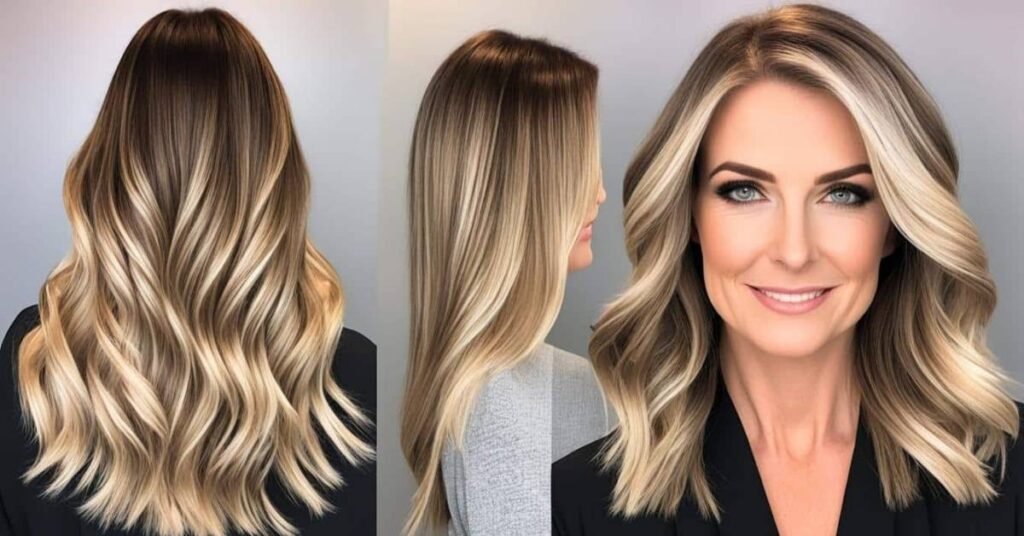
How to maintain balayage hair color starts in the shower and ends with your product shelf and both matter equally. The washing routine is where most people unknowingly sabotage their color fastest. Hot water is the enemy of every color-treated hair type but particularly blended hair highlights that rely on subtle tonal variation. Hot water physically opens the hair cuticle and allows color molecules to escape with every wash. Switching to lukewarm or even cool water for your final rinse makes a measurable difference in how long your balayage highlights stay vibrant and fresh.
Washing frequency matters just as much as temperature. The ideal frequency for how to maintain balayage hair color is 2 to 3 times per week for most hair types. Daily washing strips both the natural scalp oils that condition your hair and the tonal deposits that keep your color looking intentional. If you struggle with oily roots between washes, a quality dry shampoo applied at the root not the mid-lengths where your tinsel sits extends your wash cycle beautifully without compromising your color.
Balayage for blonde hair maintenance specifically requires a purple or blue toning shampoo used once or twice weekly. These shampoos deposit small amounts of violet pigment onto the hair violet being the direct opposite of yellow on the color wheel. The two tones cancel each other out and the result is a neutralized, ash-to-neutral blonde rather than a brassy, yellow-orange tone. For ash blonde balayage maintenance this is non-negotiable. For warm golden blonde balayage it’s less critical but still worth using occasionally to prevent excessive warmth from building up over time.
The Best Hair Care Routine for Balayage Week by Week
Building a consistent best balayage hair color ideas maintenance routine transforms how long your color looks fresh and how healthy your hair feels between appointments. Here’s a practical weekly routine designed specifically for how to maintain balayage hair color at its best:
| Day | Routine | Products to Use |
| Day 1 (Wash day) | Sulfate-free shampoo + color-safe conditioner | Color-depositing conditioner, lightweight leave-in |
| Day 2 | Dry shampoo at roots if needed | UV-protective hair spray before going outside |
| Day 3 | Purple/toning shampoo + deep conditioner | Toning shampoo (leave 3–5 mins), mask on mid-lengths |
| Day 4–5 | Heat style if needed | Heat protectant spray at 230°C or lower |
| Day 6 | Second wash day | Repeat Day 1 routine |
| Day 7 | Rest day for hair | Lightweight oil on ends only, loose braid overnight |
| Monthly | Deep treatment + gloss | Salon hair glossing treatment or at-home gloss kit |
Creative Balayage Techniques Used by Professional Stylists
Professional colorists have developed a rich vocabulary of hair balayage technique variations that go well beyond the basic sweeping motion most people picture. The foilayage technique a hybrid of balayage and foil highlights combines freehand painting with the heat amplification of foils to achieve brighter, more saturated lift than open-air balayage alone can produce. It’s particularly effective on very dark hair that resists lifting or for clients who want balayage-style placement with highlight-level brightness. The result is placed as naturally as balayage but glows as brightly as traditional foil highlights.
Root smudge hair color is another technique that professional colorists use to enhance the natural grow-out of balayage. A root smudge applies a demi-permanent color typically one shade darker than the natural root or matching it exactly to the top 2 to 4 inches of the hair after the balayage is applied. This creates a deliberately deeper, more defined root that blends seamlessly into the lighter mid-lengths and eliminates any harsh transition between natural regrowth and colored hair. It’s one of those techniques that seems minor but completely transforms the sophistication of the final result.
Creating lowlights in balayage hair is the technique that separates truly dimensional color from flat, one-dimensional lightening. Lowlights are sections of hair colored darker than the natural base adding depth and contrast back into hair that’s been lightened. A skilled colorist building a complete dimensional balayage service will almost always weave in lowlights alongside the lighter sections. The interplay of darker and lighter tones creates the kind of multi tonal hair color that looks rich, complex, and completely natural as if your hair genuinely grew that way.
Full vs Partial Balayage Which One Is Right for You?
Full vs partial balayage is a decision that comes up in nearly every balayage consultation and it’s worth understanding clearly before you book your appointment. Partial balayage applies color only to specific sections of the hair most commonly the top layers and the face framing highlights that fall around the hairline and cheekbones. It’s a more subtle service, faster to complete, and lower in cost. It’s the ideal starting point for anyone new to balayage or anyone who wants a more understated, subtle balayage hair ideas result.
Full balayage applies color throughout the entire head top layers, underneath sections, and face frame. The result is significantly more dimensional, more impactful, and more thorough than partial balayage. It’s the choice for clients who want maximum color transformation and a rich, multi tonal hair color finish that shows from every angle. Full balayage takes longer and costs more but the dimensional result it produces genuinely looks extraordinary especially on women with longer or thicker hair where the color has more surface area to play across.
| Factor | Partial Balayage | Full Balayage |
| Coverage area | Top layers + face frame | Entire head |
| Session time | 1–2 hours | 2–4 hours |
| Average cost (USA) | $100–$200 | $200–$450 |
| Result intensity | Subtle to moderate | Moderate to dramatic |
| Best for | First-timers, minimal change | Maximum dimension |
| Maintenance frequency | Every 4–6 months | Every 3–5 months |
Does Balayage Work on Grey Hair? Everything You Need to Know
Does balayage cover grey hair effectively? This is a question that comes up constantly as more women embrace their natural greying process while still wanting their hair to look polished and intentional. The answer is nuanced and genuinely depends on what result you’re after. Balayage on grey hair can work in two distinct ways blending the grey into the color story so it becomes part of the look, or using the balayage technique to camouflage grey during the grow-out phase so visits to the salon feel less urgent.
The grey blending balayage approach has become one of the most celebrated techniques in 2026. Rather than fighting the natural silver growth, a skilled colorist works with it incorporating the grey strands into a cool-toned balayage that uses ash, silver, and platinum tones to create a cohesive, sophisticated color story. The result is often described as “glossy grey” or “silver balayage” an intentional, editorial look that feels empowering rather than aging. Balayage hair trends 2026 have embraced grey blending wholeheartedly and it’s one of the fastest-growing service requests in salons across the country.
One important technical note: grey hair is structurally different from pigmented hair. It tends to be more resistant to color absorption, more prone to brassiness when lightened, and sometimes more porous meaning it can absorb toner unevenly. For these reasons, balayage on grey hair is best left to a professional colorist with specific experience in grey blending rather than attempted at home. The results in skilled hands are absolutely stunning. The risks of DIY on grey are considerably higher than on pigmented hair.
What to Ask Your Stylist for Perfect Balayage Results
Walking into a salon with a clear vision and the right vocabulary makes an enormous difference in the result you walk out with. The most important thing you can bring to a balayage hair consultation is a collection of reference photos ideally 3 to 5 images that represent the exact tone, contrast level, and placement style you’re hoping to achieve. Reference photos eliminate guesswork and give your colorist a concrete visual target to work toward rather than interpreting a verbal description that could mean entirely different things to different people.
Be honest about your lifestyle during the consultation. How often do you wash your hair? Do you heat style regularly? How much time are you willing to spend on at-home maintenance? Do you work in an environment with a conservative dress code? All of these factors influence the ideal contrast level, tone choice, and technique for your specific balayage hair service. A colorist who understands your lifestyle will make placement and color decisions that genuinely work for your real life not just for the photo on their Instagram feed.
Here are the most important questions to ask your stylist before committing to a balayage service questions that professional colorists genuinely wish more clients asked:
“How many tones will you use and will it include both highlights and face framing highlights?” “Does this service include a toner or hair glossing treatment at the end?” “Do you recommend full balayage or partial balayage for my hair and lifestyle?” “How long will the appointment take from start to finish?” “What’s the all-in price including toner and any add-on treatments?” “What specific products should I use at home to maintain this color?” “How frequently should I come back for a touch-up based on my natural growth rate?” “Is my hair currently healthy enough for this level of lightening or do I need a strengthening treatment first?”
These questions demonstrate that you’ve done your research, set clear expectations for the service, and create the kind of collaborative dynamic with your colorist that consistently produces the best results. Professional hair tinsel installation like all professional color work thrives on clear communication from both sides of the chair.
FAQs
What is balayage hair?
What is balayage hair in the simplest possible terms? It’s a French freehand hair coloring technique where lightener is painted directly onto sections of hair concentrating on mid-lengths and ends to create a natural, dimensional hair color result that mimics sun-lightened hair. No foils, no uniform application, no harsh lines. Just beautifully blended, natural looking highlights that grow out gracefully and look gorgeous at every stage.
How long does balayage last?
How long does balayage last depends on your hair type, washing habits, and maintenance routine but most clients comfortably go 3 to 6 months between appointments. The low maintenance hair color nature of balayage is one of its most celebrated qualities. Because the roots are intentionally left darker, there’s no obvious grow-out line demanding an immediate touch-up the moment your natural hair starts showing.
Does balayage damage hair?
Does balayage damage hair more than other color techniques? Generally, no. Because lightener is applied from the mid-length down rather than at the root, and because less overall surface area receives chemical treatment compared to all-over color, balayage is among the gentler lightening options available. Using bond-building treatments like Olaplex during the service and following a proper at-home care routine minimizes any chemical impact significantly.
What’s the difference between balayage and highlights?
Balayage hair vs highlights comes down to technique and result. Traditional foil highlights are applied in precise, separated sections from the root using aluminum foil. They create brighter, more uniform color with a visible grow-out line. Balayage highlights are painted freehand onto mid-lengths and ends, creating a softer, more organic result with a natural grow-out that requires far less frequent maintenance.
Can you do balayage at home?
Can you balayage your hair at home? Yes on medium to light brown hair with realistic expectations. How to do balayage at home on dark or previously chemically treated hair is significantly more challenging and carries higher risk of uneven results or damage. A professional consultation is always recommended if you have any doubt about your hair’s current condition or your ability to achieve the lift level you want.
Conclusion:
Balayage hair has earned its place as the definitive hair color technique of the modern era and this complete guide to dimensional, natural-looking highlights has given you everything you need to understand why. From the hand painted hair color technique that creates those gorgeous soft hair transitions to the low maintenance hair color grow-out that keeps you looking polished for months at a time, every element of balayage is designed around real life and real beauty.
You now know what is balayage hair, how it compares to every other coloring technique on the market, what it costs, how long it lasts, and exactly how to maintain balayage hair color at home with the right products and routine. You understand balayage hair vs highlights, what is the difference between balayage and ombre, and when to choose full vs partial balayage for your specific goals. You’ve got the consultation questions, the step-by-step DIY guide, and the week-by-week maintenance routine.
Now there’s just one thing left to do. Book the appointment. Or grab the kit. Or simply show up to your next salon visit armed with reference photos and the confidence that comes from genuinely understanding what you want. Whether you’re dreaming of ash blonde balayage, caramel balayage highlights, subtle face framing highlights, or a full dimensional balayage transformation your most beautiful hair is not some distant future version of you. It’s one appointment away. Go get it.


