
3A Hair Complete Guide to 3A Curly Hair, Care, Routine & Styling

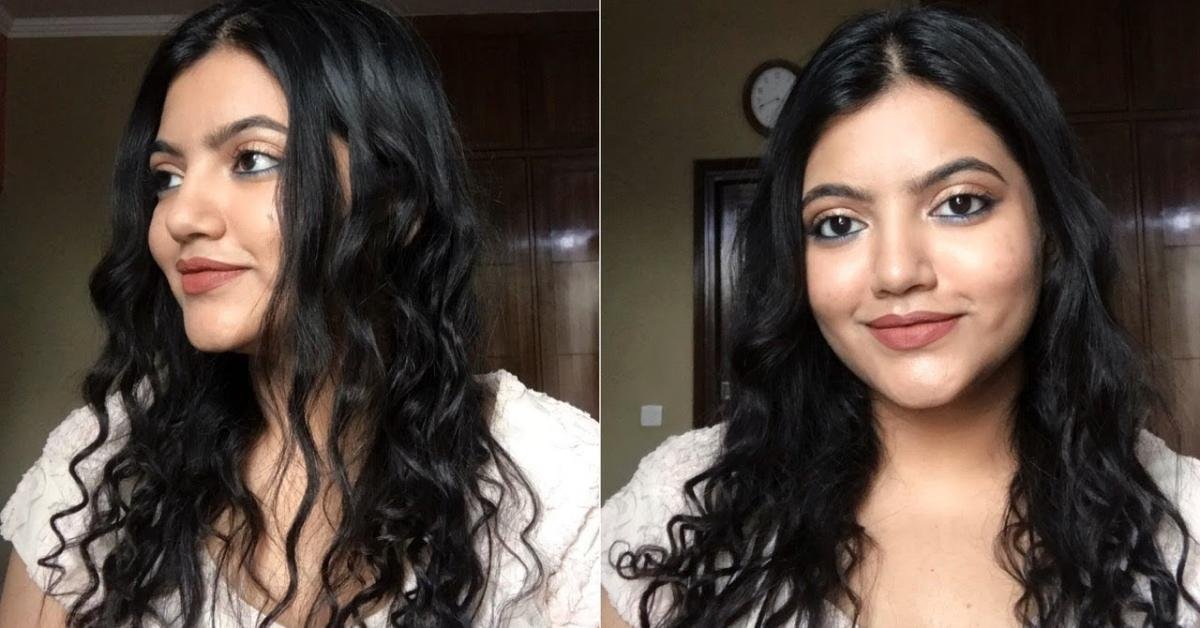
You wake up, look in the mirror, and your hair has its own agenda. Sound familiar? If you’ve got 3a curls, you already know the feeling. One day your spirals are bouncy, defined, and absolutely gorgeous. The next day? Frizz city. If you’ve been struggling to figure out what is 3a hair and why it behaves the way it does, you’re in the right place.
3a curly hair sits in a sweet spot on the curl spectrum. It’s curlier than wavy hair but looser than tight coils. That makes it beautiful and sometimes a little unpredictable. The good news? Once you understand your 3a hair type, everything gets easier. The right routine, the right products, and the right techniques can completely transform your curl game.
This guide covers everything. You’ll learn how to identify 3a hair, build the perfect curly hair routine, choose the best products for 3a hair type, style your curls without frizz, and so much more. Whether you’re a total beginner or someone who’s been on their curl journey for years, there’s something here for you. Let’s get into it.
Read More About: Trendy Everyday Outfits 2026 Your Complete Casual Style Guide
What Is 3A Hair Type? (Simple Breakdown)
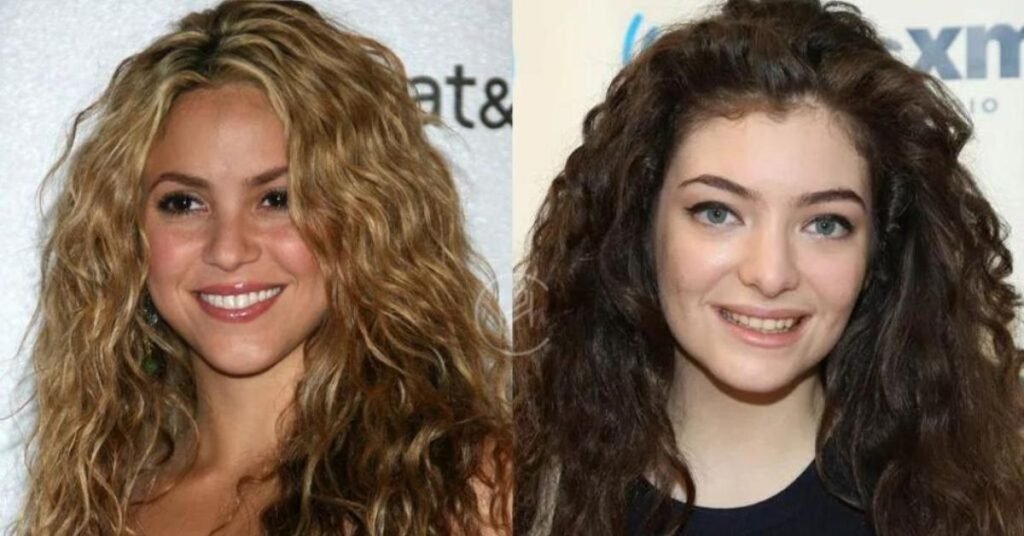
What is 3a hair? Simply put, it’s a curl type that falls under the Type 3 category in the Andre Walker Hair Typing System. Andre Walker Oprah Winfrey’s longtime hairstylist created this classification system in the 1990s to help people understand their natural curl pattern. The system runs from Type 1 (straight) all the way to Type 4 (tight coils), with Type 3 covering all curly hair. Within Type 3, you’ve got 3A, 3B, and 3C. The 3a hair type is the loosest and most open of the three. Think of it like this: if 3C curls are a tight spring, 3a curls are that same spring fully stretched out still curly, but with more room to breathe.
What makes type 3 curly hair so interesting is how versatile it is. Your curls might look completely different depending on the weather, how you slept, what products you used, or even how long your hair is. 3a curly hair tends to have a natural shine that tighter curl types don’t always get because the curly hair texture is looser, light can reflect off the surface more easily. However, that same openness means moisture escapes faster, which is why frizzy curly hair is such a common complaint among 3a hair type owners. Understanding the foundation of your curly hair pattern is step one to actually working with your hair instead of against it.
What Does 3A Hair Look Like?
What does 3a hair look like? Picture loose, springy curls that spiral around the width of a piece of sidewalk chalk or roughly the size of your finger. These are soft ringlets that have real shape and definition, but they’re not as tight or compact as 3B or 3C curls. When your hair is wet, 3a curls look beautifully defined and elongated. As it dries, it shrinks up and gains more volume. The result is that bouncy curls look that makes people ask, “Is your hair naturally curly?” to which the answer is a proud yes.
3a curly hair also tends to have a certain airiness to it. These are airy curls that move when you walk and catch light in a flattering way. However, humidity is the arch-enemy of that definition. In high-humidity states like Florida, Texas, or Louisiana, 3a hair type owners often find their curly hair volume explodes while curl definition disappears. In dry climates, the opposite can happen curls may feel crunchy or look dull. The visual identity of loose curly hair is beautiful but sensitive to environment, which is exactly why having a solid curly hair care routine tailored to your specific needs is so important.
Key Characteristics of 3A Curly Hair
Understanding the core traits of 3a curly hair helps you make smarter decisions about everything from the products you buy to the way you sleep. Here’s a clear breakdown of what defines hair type 3a:
| Characteristic | 3A Hair Detail |
| Curl Shape | Loose, defined spirals |
| Curl Diameter | Roughly finger-width (~⅞ inch) |
| Texture | Fine to medium |
| Porosity | Varies (often medium) |
| Common Issues | Frizz, dryness, flat roots |
| Shine Level | Medium to high when moisturized |
| Shrinkage | Moderate (20–30%) |
| Density | Medium |
Curly hair texture for 3A tends to run fine to medium in strand thickness. This means individual hairs aren’t as thick as 3B or 4A strands. Because of that, fine curly hair in the 3A category can get weighed down easily by heavy products. Medium curly hair density means you’ve got a decent amount of strands not super thin, not super thick. That balance gives 3a curls their signature volume without looking overwhelming. Hair density curls play a huge role in what products work for you, and understanding yours will save you a lot of wasted money on the wrong formulas.
Curly hair porosity is another defining factor for 3a hair type. Porosity refers to how easily your hair absorbs and holds moisture. Most 3a curly hair falls into the medium porosity range meaning it absorbs moisture reasonably well and holds it for a decent amount of time. However, heat damage, chemical processing, or genetics can push your hair toward high porosity, which means moisture goes in fast but escapes just as quickly. Knowing your porosity level is one of the most powerful tools you have for building a curly hair care routine that actually delivers results.
How to Identify 3A Hair (With Easy Tests)
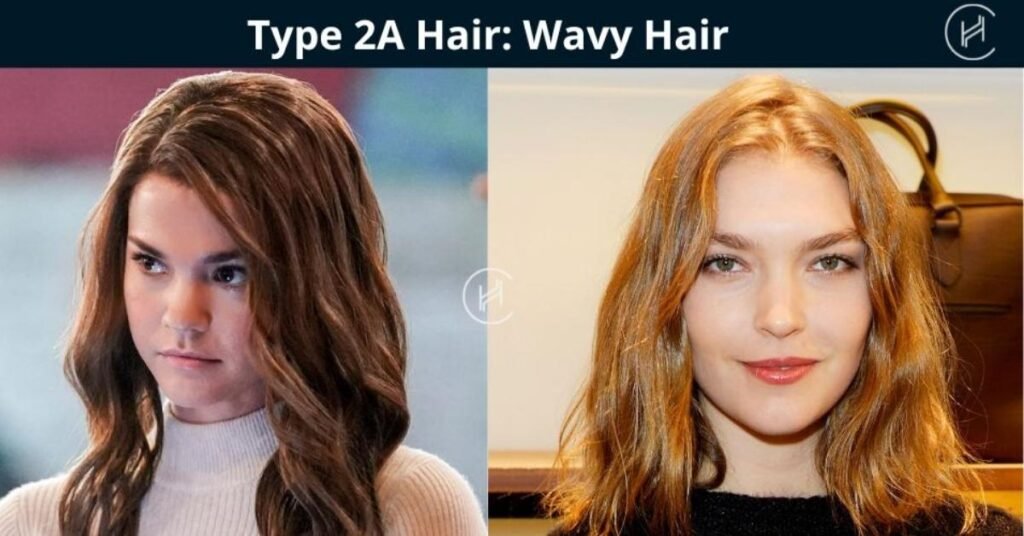
How to identify 3a hair doesn’t require a trip to the salon. You can figure out your curl type at home with a couple of simple tests. The key is to start with freshly washed hair no products, no styling. Just clean, air-dried hair in its most natural state. That’s your baseline. From there, you can observe your natural curl pattern without any interference. Many people have been misidentifying their curly hair types chart placement for years simply because they’ve never seen their hair in its truly natural state. If you’ve always used heat or heavy products, you might be surprised by what your real curl pattern looks like.
The reason how to identify 3a hair matters so much comes down to product selection and technique. A 2C wavy hair routine and a 3a curly hair routine look very different. The products are different. The techniques are different. Even the drying methods can differ. Misidentifying your curl type leads to using the wrong products, which leads to frustration, frizz, and the feeling that “nothing works for my hair.” When you know your actual curly hair pattern, you can stop guessing and start making real progress on your curly hair hydration and styling goals.
Curl Pattern & Texture Test
Here’s exactly how to identify 3a hair using the curl pattern test. Wash your hair with a gentle, sulfate-free shampoo. Skip conditioner this one time you want to see your raw curl pattern. Let your hair air dry completely without touching it. Don’t scrunch, don’t flip, don’t add anything. Just let it do its thing. Once it’s fully dry, look at the shape your curls naturally form. If they create loose, defined spirals about the width of your finger or a Sharpie marker, you’re likely looking at 3a curls. If they’re tighter closer to a pencil or drinking straw you’re probably in 3B territory. If they’re more S-wave than spiral, you might be 2C.
The texture test is just as simple. Pull out a single strand of dry hair and hold it between your fingers. Roll it gently. If you can barely feel it, you likely have fine curly hair. If there’s a slight, noticeable texture, you’re probably medium. Coarse hair feels almost wiry. Most 3a hair type owners land in the fine-to-medium range, which again is why lightweight products are so important for maintaining defined curls without weighing spirals down. You can also do the pencil test wrap a single curl loosely around a standard pencil. If it wraps around with room to spare and holds a loose spiral shape, that’s a strong indicator of 3a curly hair.
Porosity & Density Check
Curly hair porosity is one of the most important and most overlooked factors in how to take care of 3a hair. Low porosity hair has a tightly sealed cuticle, so products tend to sit on top rather than absorb. High porosity hair absorbs moisture quickly but loses it just as fast. Medium porosity is the sweet spot and where most 3a curly hair naturally lands. To test yours at home, try the float test. Take a clean, dry strand of hair and drop it into a glass of room-temperature water. Watch it for 2–4 minutes. If it floats on top, you likely have low porosity. If it sinks to the bottom fast, you’ve got high porosity. If it slowly sinks to the middle, welcome to the medium porosity club.
How to choose products for curly hair porosity becomes much clearer once you know where you land. Low porosity 3a curly hair needs heat to help products penetrate try deep conditioning under a shower cap. High porosity 3a curls need protein treatments to fill gaps in the cuticle and seal in moisture. For hair density curls testing, pull your hair into a ponytail. If the ponytail circumference is under 2 inches, you have thin density. Two to four inches means medium density. Over four inches means thick density. Most 3a hair type owners sit at medium density, which is why curly hair volume is achievable but requires the right techniques to maintain it throughout the day.
2C vs 3A vs 3B Hair Key Differences Explained
The curly hair types chart can feel confusing when you’re sitting right on the boundary between types. Wavy vs curly hair specifically 2c vs 3a hair is one of the most common points of confusion in the curl community. And honestly, the confusion makes sense. Hair doesn’t read a textbook. It doesn’t know it’s supposed to pick a category. Many people have what’s called a mixed curl pattern, where some sections are wavier and others are curlier. Understanding where 3a curly hair sits relative to its neighbors 2C and 3B helps you make much smarter choices about products, techniques, and styling.
The biggest mistake people make when comparing 2c vs 3a hair or 3a vs 3b curls is focusing only on the visual appearance. But texture, porosity, density, and how the hair behaves with products all factor in. A strand of 2C hair and a strand of 3a curly hair might look similar when wet, but they behave very differently when dry. Knowing these distinctions is crucial for building a curly hair routine that actually works for your specific natural curl pattern not a routine designed for someone else’s hair.
2C vs 3A Hair Differences
| Feature | 2C Hair | 3A Hair |
| Curl Shape | S-wave with slight spiral at ends | Defined loose spiral throughout |
| Frizz Level | Moderate | Moderate to high |
| Volume | Medium | High |
| Shrinkage | Minimal | Moderate |
| Styling Needs | Light hold products | Light to medium hold |
| Product Weight | Very lightweight | Lightweight to medium |
| Definition | Less defined, more wave | Clear, visible curl formation |
2c vs 3a hair comes down to one main thing curl formation. 2C hair forms an S-wave pattern that’s mostly flat and wide. It might get a slight spiral at the ends, but the root area tends to stay wavy rather than curly. 3a curls, on the other hand, form a clear, three-dimensional spiral from root to tip. The curl has actual shape it wraps around itself. If you look at your hair from the side and see flat S-waves, you’re likely 2C. If you see spirals that have depth and circumference, that’s 3a curly hair. A common tell is the root area 3a hair type tends to curl from the root, while 2C usually lies flatter at the scalp.
3A vs 3B Curl Pattern Differences
| Feature | 3A Hair | 3B Hair |
| Curl Size | Loose spiral (~finger-width) | Tighter spiral (~marker-width) |
| Density | Medium | Medium to high |
| Dryness Risk | Moderate | Higher |
| Shrinkage | 20–30% | 30–50% |
| Product Weight | Lightweight to medium | Medium to heavy |
| Frizz Tendency | Moderate | High |
| Shine | Higher natural shine | Less natural shine |
3a vs 3b curls is where things get really interesting. Both are clearly curly but 3B curls are significantly tighter and more compact. 3a curls have more natural shine because light reflects off the looser, more open curl surface. 3B curls are denser, which means they need heavier moisturizing products to stay hydrated. If how to make curls soft and defined is your goal, and your spirals are looser and shinier, you’re probably in the 3a hair type category. If your curls are tight enough that they clump into dense sections and need heavy cream to stay moisturized, 3B is more likely. Some people genuinely have a mix of 3a and 3b curls throughout their head and that’s completely normal.
Read More About: Outfits for Women Over 50 The Definitive Winter 2025–2026 Style Guide
3A Hair Routine Step by Step for Healthy Curls
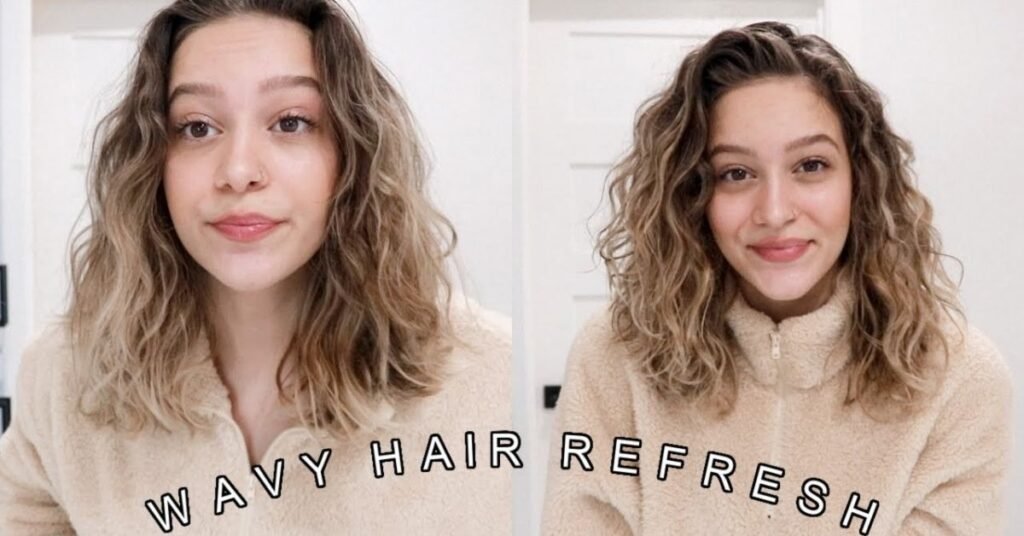
Best routine for 3a curly hair this is the question everyone eventually asks. And the answer isn’t one single magic product. It’s a system. Curly hair maintenance requires consistency above everything else. Your hair responds to what you do repeatedly, not what you do once. A great wash day followed by five days of neglect won’t give you the results you want. Building a reliable curly hair care routine that you can stick to week after week is what actually transforms 3a curls from a daily battle into a daily pleasure.
Is 3a hair high maintenance? Compared to straight hair, yes it does require more intentional care. But once you’ve built a routine that works, it becomes second nature. The key is understanding the two-part framework: wash day and daily maintenance. Wash day is where the foundation gets laid cleansing, conditioning, and styling. Daily maintenance is about protecting what you built on wash day so it lasts as long as possible. Together, these two parts form a complete curly hair routine that keeps your 3a curly hair hydrated, defined, and healthy over time.
Wash Day Routine for 3A Hair
Wash day routine curly hair for 3a hair type should happen one to two times per week. Washing more often than that strips the natural oils your 3a curls need to stay moisturized. Here’s a step-by-step wash day process designed specifically for 3a curly hair:
Pre-Poo (Optional but Powerful) Apply a light oil like coconut or argan oil to dry hair before washing. This protects your strands from the stripping effect of shampoo and adds a layer of curly hair hydration before you even start.
Shampoo with a Sulfate-Free Formula Sulfate free shampoo curly hair is non-negotiable. Sulfates are harsh detergents that strip your hair of moisture. Focus the shampoo on your scalp that’s where oil and buildup live. Let it rinse down through the ends without aggressively scrubbing.
Deep Condition Apply a moisture-rich deep conditioner from mid-shaft to ends. Leave it on for 15 to 30 minutes. For low porosity 3a curly hair, sit under a hooded dryer or use a shower cap to add heat this opens the cuticle and lets moisture in. Deep conditioning curls weekly is the single most impactful thing you can do for your hair health.
Detangle While the conditioner is still in, use your fingers or a wide-tooth comb to gently work through any curly hair tangling. Always detangle from ends to roots never the other way around.
Cool Water Rinse Rinse with cool water to close the cuticle. This seals in moisture and gives your 3a curls that natural shine.
Apply Styling Products on Soaking Wet Hair Don’t wait. Products work best on 3a curly hair when hair is completely saturated with water. Apply your leave in conditioner curls first, then your curl cream lightweight formula, then seal with a gel for curly hair.
Dry Without Disrupting Use a microfiber towel or old T-shirt to scrunch out excess water gently. Then diffuse on low heat or air dry completely before touching your curls.
Weekly & Daily Hair Care Routine
How often should you wash 3a hair? One to two times per week is the sweet spot for most 3a hair type owners. Here’s what a realistic weekly curly hair maintenance schedule looks like:
| Day | Routine |
| Monday | Full wash day shampoo, condition, deep condition, style |
| Tuesday | Refresh with water + leave in conditioner curls |
| Wednesday | Pineapple overnight / protective style |
| Thursday | Refresh 3a curls or co-wash if needed |
| Friday | Scalp oil massage for circulation and moisture |
| Saturday | Style as desired try a twist out or braid out |
| Sunday | Deep conditioning treatment or hair mask |
How to sleep with 3a curly hair is one of the most important daily habits to master. The pineapple method loosely gathering your hair at the top of your head in a high, loose ponytail protects your 3a curls overnight and preserves definition. A satin pillowcase curls or silk pillowcase curly hair is equally important. Cotton pillowcases absorb moisture from your hair and create friction that leads to frizz and breakage. Silk and satin allow your curls to glide rather than snag. Combine the pineapple method with a silk pillowcase curly hair setup, and you’ll wake up with second-day curls that actually look good. How to refresh 3a curls next day becomes much simpler when your overnight routine is solid a light mist of water and a scrunch of leave in conditioner curls is usually all you need.
Best Products for 3A Hair (Shampoo, Conditioner & Styling)
Choosing the best products for curly hair comes down to understanding what your 3a curly hair actually needs and what it definitely doesn’t. The marketplace is flooded with options, and not all of them are made with 3a hair type in mind. Heavy creams designed for 4C hair can weigh down lightweight curls and leave them looking greasy and flat. Meanwhile, products formulated for 2A wavy hair often don’t provide enough hold or moisture for true springy curls. Best products for 3a hair type strike a balance lightweight enough not to weigh spirals down, but moisturizing enough to keep curly hair dryness at bay.
How to choose products for curly hair porosity should always guide your purchasing decisions. If you have low porosity 3a curly hair, look for water-based, lightweight formulas that don’t sit on top of the hair. If your hair is high porosity, you need products with more body and protein to fill in gaps in the cuticle. Ingredients like glycerin, aloe vera, and shea butter are generally excellent for 3a curls across all porosity levels. They provide curly hair hydration without heaviness. Building your product routine around a solid conditioner for curls, a reliable leave in conditioner curls, and a finishing gel for curly hair or mousse for curls gives you the three-layer system that most 3a curly hair routines are built on.
Lightweight Products for 3A Curls
| Product Type | Top Pick | Why It Works for 3A |
| Sulfate-Free Shampoo | SheaMoisture Curl & Shine Shampoo | Gentle cleanse, preserves moisture |
| Co-Wash | As I Am Coconut CoWash | Refreshes without stripping |
| Conditioner | Tresemmé Botanique Nourish & Replenish | Affordable, excellent slip for detangling |
| Deep Conditioner | Briogeo Don’t Despair, Repair! Mask | Strengthens and deeply moisturizes |
| Leave-In Conditioner | Kinky-Curly Knot Today | Lightweight, great for defined curls |
| Curl Cream | DevaCurl One Condition Delight | Hydrates without heaviness |
| Gel | Eco Style Olive Oil Gel | Strong hold, excellent frizz control curly hair |
| Mousse | Not Your Mother’s Curl Talk Mousse | Light hold, adds curly hair volume |
| Diffuser | DevaCurl DevaFuser | Designed to enhance 3a curls |
Lightweight curls like 3a curly hair generally thrive with the LOC or LCO method. LOC stands for Leave-In, Oil, Cream applied in that order. LCO reverses the oil and cream steps. The idea is layering to lock in moisture at multiple levels. Both methods work well for 3a hair type, and many curl enthusiasts swear by one or the other. Experiment with both to see which leaves your 3a curls feeling more moisturized and defined throughout the day. The key is always to apply products to soaking wet hair that’s when your curly hair texture is most receptive to absorbing what you’re putting in.
Ingredients to Avoid for 3A Hair
What ingredients to avoid for curly hair is just as important as knowing what to look for. Some ingredients actively work against 3a curly hair stripping moisture, blocking absorption, and creating buildup that dulls your natural curl pattern.
| Ingredient | Why to Avoid |
| Sulfates (SLS, SLES) | Strip natural oils, cause extreme dryness |
| Silicones (dimethicone, cyclomethicone) | Build up without proper cleansing, block moisture |
| Drying Alcohols (isopropyl, SD alcohol) | Cause brittleness, worsen curly hair dryness |
| Mineral Oil & Petrolatum | Block moisture absorption into the hair shaft |
| Parabens | Potential scalp irritant, disrupts scalp health |
| Fragrance (synthetic) | Can cause scalp sensitivity and dryness |
On the flip side, ingredients you want to see on your product labels include glycerin (a humectant that draws moisture into the hair), aloe vera (soothing and hydrating), shea butter (moisturizing without heaviness for medium curly hair), flaxseed extract (defines 3a curls and adds shine), and hydrolyzed proteins (strengthen hair bonds especially useful for high porosity 3a curly hair). Reading ingredient labels takes practice, but it becomes second nature quickly. Your curly hair care routine will dramatically improve once you start being intentional about what you’re putting into your hair.
How to Style 3A Curly Hair (Frizz-Free Methods)
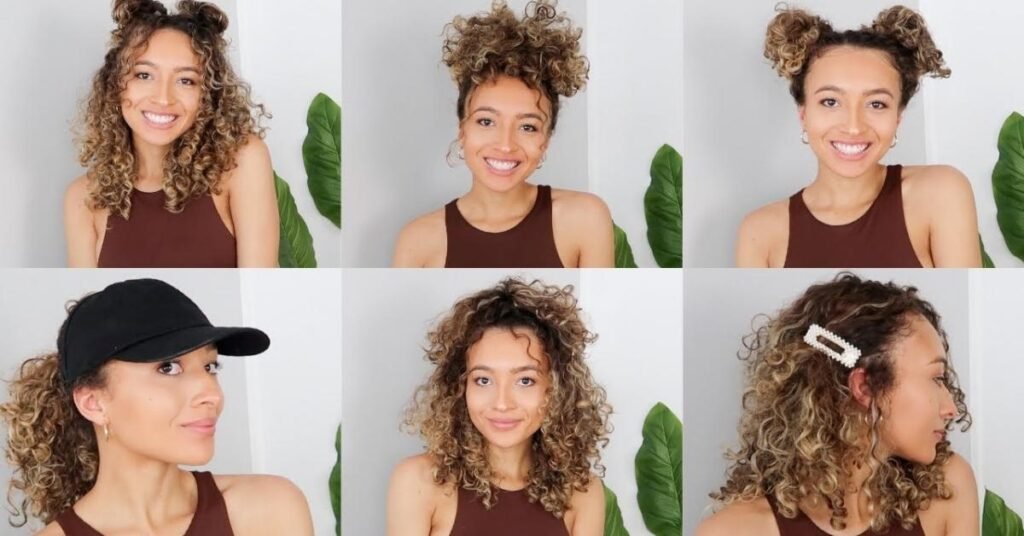
How to style 3a curls without frizz is probably the most-searched question in the entire 3a curly hair community. And here’s the truth frizz isn’t your enemy. It’s just a signal. It means your hair needs something: usually more moisture, better product layering, or a gentler technique. How to reduce frizz in 3a hair starts with understanding that frizz happens when the hair cuticle is raised and rough and humidity makes it worse because open cuticles absorb moisture from the air unevenly. The solution is sealing the cuticle with the right products and techniques so your 3a curls stay smooth and defined from wash day to the last day before your next wash.
Curly hair styling tips for 3a hair type always start with one golden rule: style on soaking wet hair. Not damp. Soaking wet. This is non-negotiable for defined curls. When hair is fully saturated, the cuticle is swollen and open which means products can penetrate deeply and lock in moisture. As the hair dries, the cuticle closes around those products, locking everything in. This is why how to stop frizz after washing hair starts during the styling step, not after. If you apply products to hair that’s already half-dry, you’re essentially fighting against the drying process instead of working with it. Get comfortable with soaking wet styling and you’ll notice a dramatic difference in your 3a curls definition.
Define 3A Curls Without Frizz
How to define 3a curls without losing volume or creating crunch takes a bit of practice, but once you get it, you’ll never go back. Here’s the method that works consistently for 3a curly hair:
After rinsing conditioner, gently blot excess water with a microfiber towel. Don’t rub. Pat and scrunch upward only.
Apply leave in conditioner curls first. Work section by section. Rake it through with your fingers to distribute evenly.
Apply curl cream lightweight formula over the leave-in. Scrunch it into your hair don’t rake this one. Scrunching encourages curl clumping, which is what gives you those defined curls.
Apply gel for curly hair or mousse for curls as your final layer. This is what creates the “cast” a crunchy film over your curls while they dry.
Scrunch out excess product with your microfiber towel one more time. Then leave it completely alone while it dries.
Once hair is 100% dry, scrunch out the cast with your hands. This breaks the gel film and reveals soft, bouncy curls underneath.
The gel cast is your best friend for frizz control curly hair. It might feel wrong at first nobody wants crunchy hair. But trust the process. The cast protects your curls while they dry and prevents frizz from forming. Once you scrunch it out, you’re left with soft, defined curls that last for days.
Heat Styling vs Air Drying
Diffusing vs air drying 3a hair is a long-standing debate in the curly hair community. Both methods work they just produce slightly different results.
| Method | Pros | Cons |
| Air Drying | No heat damage, natural movement, free | Takes 2–4 hours, may lose volume |
| Diffusing | Faster, adds volume, better definition | Risk of heat damage if done incorrectly |
| Blow Drying | Very fast, smooth finish | Disrupts curl pattern, causes frizz |
| Flat Iron | Sleek, straight look | Significant heat damage over time |
Diffusing curly hair correctly means using a diffuser attachment on your blow dryer, setting it to low heat and low speed, and scrunching your curls up into the diffuser bowl rather than pressing down. Flip your head upside down for extra curly hair volume at the roots. Keep the dryer moving don’t focus heat in one spot for too long. Air dry curls produce the most natural, undisturbed results, but they require patience. For 3a hair type owners in humid climates, air drying can sometimes invite frizz as curls absorb moisture from the air during the drying process. In those cases, diffusing is actually the smarter choice for frizz control curly hair.
If you choose heat styling tips like diffusing or blow drying, heat protection curly hair products are absolutely mandatory. Curly hair damage prevention starts with a quality heat protectant look for ones that protect up to at least 350°F. Apply it before any heat exposure, every single time. Heat damage to 3a curls can loosen your curl pattern permanently, turning springy curls into limp waves. Protecting your hair from heat isn’t optional it’s part of respecting the natural curl pattern you have.
Common Problems with 3A Hair & How to Fix Them
Every 3a curly hair owner has a list of frustrations. Maybe your curls look amazing after wash day but fall flat by day two. Maybe curly hair dryness is a constant battle no matter what you do. Maybe you’ve spent a fortune on products that promised everything and delivered nothing. These problems are common and they all have solutions. The key is figuring out what’s actually causing the issue before throwing more products at it. Most 3a hair type problems come down to a handful of root causes: moisture imbalance, product buildup, improper technique, or the wrong product for your curly hair porosity type. Let’s dig into the two biggest culprits.
Understanding why is my 3a hair frizzy or why your curls keep losing definition is the first step toward fixing it. Frizz, dryness, flat roots, and lack of definition are not random. They’re symptoms of specific issues in your curly hair care routine. The good news is that once you identify the cause, the fix is usually straightforward. And often, it doesn’t require buying new products. It requires changing a technique or adding one step to your existing routine. Most 3a curly hair problems can be solved with knowledge, not money.
Dryness & Frizz Control
Curly hair dryness is the number one complaint among 3a hair type owners and it feeds directly into frizzy curly hair. Here’s why it happens. The spiral shape of 3a curls makes it harder for natural scalp oils to travel down the hair shaft. In straight hair, oils slide right down. In curly hair, they have to navigate every twist and bend of the curl. This means the ends of your 3a curls are almost always drier than the roots and dry ends equal frizz, breakage, and lost definition.
Why does humidity affect 3a hair? Because dry, open cuticles are like little sponges they absorb moisture from the air unevenly. This swells the hair shaft in random spots, which is what creates frizz. The fix is sealing your cuticle properly with the right products. How to keep curls hydrated all day comes down to three things: moisture (from water-based products), sealing (with oil or butter), and protection (with a gel or mousse cast). How to deep condition 3a hair effectively means applying a protein-moisture balance treatment weekly, using heat to open the cuticle for low porosity hair, and rinsing with cool water to seal everything back in. A solid deep conditioning curls habit is the single most effective tool against chronic curly hair dryness.
Flat Roots & Volume Issues
How to fix flat 3a curls at the root is one of the most common styling challenges for 3a hair type owners. Flat roots kill the look of otherwise beautiful 3a curls. They make hair look weighed down, undefined, and tired. There are a few reasons this happens. Heavy products applied near the scalp are the most common culprit they literally weigh your roots down. Sleeping without the pineapple method causes curls to compress overnight. And some people’s 3a curly hair is naturally finer at the roots, making it prone to laying flat.
How to get volume in 3a hair starts with technique. Try flipping your head upside down when applying products and when diffusing. When you diffuse, hover the diffuser at your roots first this lifts the curl from the base and creates a foundation of volume that lasts. Root clips small sectioning clips applied at the root while hair dries can make a surprisingly big difference. Place them at the root, right at the scalp, and remove once hair is fully dry. The clips hold the root lifted while the curl sets. Why do 3a curls lose definition at the roots often comes down to product overload near the scalp try applying your heavier products only from mid-shaft to ends, and use just a small amount of lightweight gel for curly hair near the roots.
Best Haircuts for 3A Hair (Men & Women)
The right haircut can make 3a curls look intentional, voluminous, and absolutely alive. The wrong cut can make them look shapeless or heavy. Best haircut for 3a curly hair depends on a few things your face shape, hair density, lifestyle, and personal style. But there are certain universal principles that work for 3a curly hair regardless of those variables. The most important one is this: layers are your best friend. Weight removal through layering is what allows 3a curls to spring up rather than hang down. And the method your stylist uses to cut matters just as much as the style itself.
The gold standard for cutting 3a curly hair is the DevaCut a technique where curls are cut while dry, curl by curl, in their natural state. Traditional haircuts are done on wet, stretched hair which means the stylist isn’t seeing your curls in their true form. A DevaCut accounts for how your 3a curls actually fall and spring when dry. It removes weight strategically, enhances natural curl definition, and creates a shape that works with your curly hair pattern, not against it. Finding a DevaCut-certified stylist near you is worth every penny for 3a curly hair care.
Layered Cuts for Volume
Layers are the MVP of 3a curly hair styling. They work by removing bulk from the interior of the hair, which allows each springy curl to bounce freely rather than being weighed down by the mass of hair above it. Without layers, 3a curls can look like a triangle wide at the bottom, flat at the top. With layers, you get a rounded, balanced shape with curly hair volume at every level.
Short vs long 3a hair styles both benefit from layers, but the layering technique changes depending on length. For shorter cuts like a curly bob or shag layers create texture and movement that keeps the cut from looking heavy. For longer 3a curly hair, long layers and a slight V-shape at the back prevent the hair from looking blunt and boxy. Curtain bangs are having a major moment right now, and they work beautifully for 3a hair type they frame the face without requiring a lot of maintenance, and they tend to curl naturally for loose curly hair owners.
Short vs Long Styles
| Style | Best For | Styling Notes |
| Curly Pixie Cut | Low maintenance, bold look | Very little product needed |
| Curly Bob (Lob) | Versatile, modern, popular | Works great with diffusing |
| Shag Cut | Maximum volume, trendy | Layers throughout, curtain bangs optional |
| Wolf Cut | Effortless, lived-in feel | Great for thick 3a curly hair |
| Medium Length Layers | Most popular length for 3a curls | Best balance of volume and weight |
| Long Layers | Maximum movement and length | Requires strong moisture routine |
For men with 3a curly hair, the taper fade with defined curls on top is one of the most popular styles right now. This cut keeps the sides clean and tight while letting the 3a curls on top do their thing. Men can also rock a longer curly style with layers for a more relaxed, artistic look. Curly hair styling tips for men are essentially the same as for women product application, technique, and hydration matter just as much regardless of gender.
Curly Girl Method for 3A Hair: Does It Work?
Does curly girl method work for 3a hair? The short answer is yes it was practically made for 3a curly hair. The Curly Girl Method was developed by author and curl expert Lorraine Massey, who outlined the approach in her book Curly Girl: The Handbook. The method is built around a simple philosophy: stop doing the things that damage curls, and start doing the things that let them thrive. For 3a hair type, that means eliminating sulfates, silicones, heat tools, and terrycloth towels and replacing them with sulfate free shampoo curly hair, silicone-free products, gentle drying techniques, and intentional moisture practices.
The reason does curly girl method work for 3a hair gets asked so often is because the results can feel almost magical when you first start. Many 3a curly hair owners who begin the CGM report that their curl pattern becomes more defined within weeks, their frizzy curly hair calms down dramatically, and their overall hair health improves. That’s not coincidence it’s the direct result of removing damaging practices and replacing them with ones that actually support the structure of 3a curls. The CGM works because it aligns with how 3a curly hair naturally wants to behave, rather than fighting against it.
Modified CG Method for 3A Hair
Modified CG method for 3a hair exists because the strict CGM isn’t the right fit for everyone. Some 3a hair type owners find that going completely silicone-free and sulfate-free leads to product buildup that dulls their curls over time. Others find that never using heat leaves their hair perpetually frizzy in humid climates. The modified CGM allows for some flexibility while keeping the core principles intact.
Common modifications include using a clarifying shampoo curly hair formula once or twice a month to remove buildup even if it contains mild sulfates. This is especially helpful for 3a curly hair that experiences product buildup quickly. Other modifications include occasional diffusing for volume and definition, or using a water-soluble silicone in a conditioner or styling product. Clarifying shampoo curly hair use monthly is actually recommended even within the strict CGM because buildup is the silent killer of natural curl pattern definition. The goal of any version of the CGM is healthier, more defined 3a curls and if a slight modification gets you there, it’s absolutely valid.
Do’s and Don’ts for 3A Hair Care
Healthy curly hair tips are most effective when framed clearly as what to do and what to avoid. Here’s a complete reference table for 3a curly hair care:
| ✅ DO | ❌ DON’T |
| Deep condition weekly | Skip conditioner entirely |
| Use a microfiber towel or T-shirt | Rough dry with terry cloth towel |
| Detangle wet hair with fingers or wide-tooth comb | Brush 3a curls when dry |
| Diffuse on low heat with heat protectant | Blast hair with high heat |
| Sleep on a satin pillowcase curls or silk | Sleep on cotton pillowcase |
| Layer products (LOC or LCO method) | Apply products to dry or damp hair |
| Trim every 10–12 weeks | Go months without a trim |
| Use clarifying shampoo curly hair monthly | Over-wash with sulfate shampoo daily |
| Pineapple hair overnight | Leave curls loose to get crushed |
| Choose products based on curly hair porosity | Buy products based on packaging only |
How to prevent tangles in curly hair is one of the most practical daily concerns for 3a hair type owners. Curly hair tangling happens most often when hair is dry, when products have run out, and when hair rubs against rough fabrics. The solution is maintaining moisture levels consistently not just on wash day and protecting your hair with the pineapple method at night. Natural curls care is ultimately about consistency. Do the right things consistently, avoid the wrong things consistently, and your 3a curly hair will reward you with definition, health, and shine.
FAQs
Is 3A Hair Rare?
Not at all. 3a curly hair is actually one of the most common curl types, particularly in the United States. Because the US population is incredibly diverse, 3a hair type appears across many ethnicities and backgrounds. It’s particularly common among people of European, Latin American, and Middle Eastern descent though it appears across all ethnic groups. The reason many people think type 3 curly hair is rare is because so many people with 3a curls don’t know they have them. Years of heat styling, chemical processing, or simply never learning their curly hair types chart placement means many 3a curly hair owners have been living with unidentified curls their whole lives. Once they stop the heat and learn the right curly hair routine, their natural curl pattern often surprises them with how defined and beautiful it can be.
Can 3A Hair Become Straight?
Can 3a hair become straight on its own? Not naturally and permanently no. Your natural curl pattern is determined by the shape of your hair follicle. An oval or asymmetrical follicle produces curly hair. That shape is genetic and doesn’t change on its own. However, 3a curls can appear looser or straighter due to a few external factors. Heat damage from repeated flat iron or blow dryer use can relax the curl pattern over time. Chemical relaxers permanently alter the hair’s protein bonds, straightening curls. Hygral fatigue caused by too many wet/dry cycles without adequate protein can also loosen 3a curls. The good news is that with proper curly hair hydration, protein treatments, and a break from heat, most 3a curly hair can recover and regain its original natural curl pattern over time. Curly hair damage prevention is always easier than repair.
How Often Should You Wash 3A Hair?
How often should you wash 3a hair? One to two times per week is the ideal frequency for most 3a hair type owners. Washing daily strips the natural curl pattern of its essential oils and leads to chronic curly hair dryness. But going too long between washes allows product buildup and scalp irritation to build up, which can block curly hair hydration and dull your 3a curls. If your scalp is oily or you work out frequently, twice a week works well. If your scalp tends to be drier, once a week with a co-wash midweek is a great alternative. Co-washing using a cleansing conditioner instead of shampoo gently refreshes 3a curly hair between wash days without stripping moisture. How to refresh 3a curls next day on non-wash days is as simple as spritzing with water and applying a small amount of leave in conditioner curls to reactivate your style.
What Makes 3A Hair Frizzy?
What makes 3a hair frizzy? There are four main culprits. First, lack of moisture curly hair dryness causes the cuticle to lift and seek moisture from anywhere it can find it, including the air. Second, humidity why does humidity affect 3a hair comes down to those open cuticles absorbing atmospheric moisture unevenly, causing swelling and frizz. Third, rough handling rubbing wet 3a curls with a towel, brushing dry, or touching while air drying all disrupt the curl pattern and create frizz. Fourth, wrong products using products with drying alcohols, heavy silicones, or ingredients your curly hair porosity type can’t absorb will always lead to frizzy curly hair. How to reduce frizz in 3a hair combines moisture balance, the right product layering, gentle technique, and sealing the cuticle all of which are covered in the routines and methods throughout this guide. There’s no single fix it’s a combination of doing the right things consistently.
Conclusion
Your 3a curls aren’t a problem to solve. They’re a personality to celebrate. Understanding your 3a hair type what it looks like, how it behaves, what it needs is genuinely one of the most empowering things you can do for your hair journey. The frustration that comes with frizzy curly hair, flat roots, and styling failures isn’t a sign that your hair is difficult. It’s a sign that you haven’t yet found the right system. And now you have one.
Start simple. Pick one or two things from this guide maybe a sulfate free shampoo curly hair swap, or committing to the pineapple method at night and build from there. Natural curls care isn’t about perfection. It’s about progress. Over time, your curly hair routine will become second nature. Your product choices will get smarter. Your technique will get sharper. And your 3a curly hair will reward you with definition, shine, and bouncy curls that genuinely turn heads. You’ve got the knowledge. Now go work with what you’ve got because what you’ve got is beautiful.


