
Braids Hairstyle 2026 The Ultimate Inspiration Guide for Every Hair Type & Occasion


There is something timeless and magnetic about braided hair. From ancient African civilizations to the runways of Paris and the streets of Lagos, braids have always told a story one of culture, creativity, identity, and unmatched style. But if you think braids are the same as they were even a few years ago, 2026 is here to completely change your perspective.
The braids hairstyle landscape in 2026 is richer, bolder, and more innovative than ever before. Modern stylists are blending traditional braiding techniques with contemporary fashion sensibilities, giving rise to looks that feel both deeply rooted and refreshingly new. Whether you’re a naturalista who swears by protective styles, a fashion-forward woman who follows every runway trend, or someone simply looking for a low-maintenance yet stunning hairstyle, the braid world of 2026 has something extraordinary waiting for you.
What makes this year particularly exciting is the cross-cultural explosion of braiding aesthetics. Influences from West Africa, the Caribbean, South Asia, and even Scandinavian folklore are merging into hybrid styles that no one category can contain. Social media has accelerated this fusion dramatically a braid technique perfected in Accra can go globally viral within 48 hours, inspiring millions of women across continents to sit in their stylist’s chair and ask for something they’ve never tried before.
In this comprehensive guide, we’ll walk you through every major braiding trend of 2026, the best styles for different hair types and face shapes, seasonal color palettes, celebrity influences, expert maintenance routines, and everything else you need to step into the year with your most confident, beautifully braided self. Let’s dive in.
Read More About: Hairstyles Ideas 2026 Elegant Hair Trends That Will Define the Year
Latest Trends in Braids Hairstyle 2026
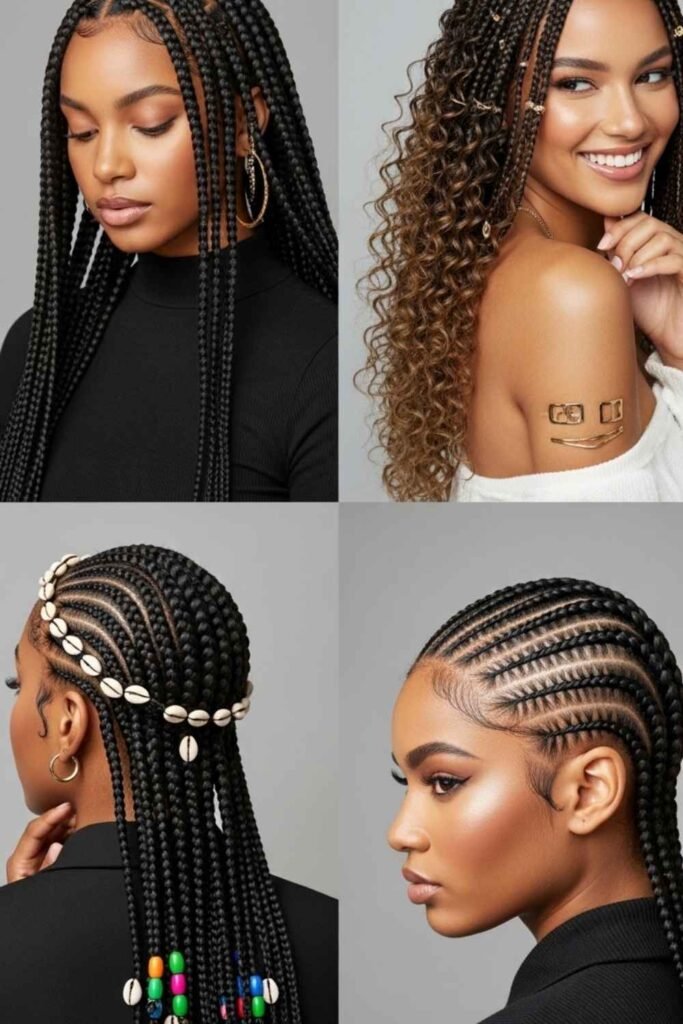
The braiding world in 2026 is being shaped by a powerful combination of nostalgia, innovation, and cultural pride. One of the most dominant trends this year is the rise of architectural braids styles that use the braid pattern itself as a design element. Think geometric parts, sculptural crown braids, and intricately mapped scalp patterns that look almost like living artwork. These aren’t just hairstyles; they’re wearable installations that demand attention.
Another massive trend is size contrast braiding, where stylists deliberately mix ultra-fine micro braids with chunky, statement-making sections on the same head. The contrast creates visual drama without requiring additional accessories. This technique, which gained momentum in late 2025 among editorial stylists, has now made its way into everyday salons globally and is one of the most searched braid styles of 2026.
Bohemian and undone textures are also having a significant moment. Unlike the sleek, tight finishes of previous years, 2026 is embracing intentionally wispy, flyaway edges, loose curls peeking out of braided sections, and a relaxed, lived-in feel that looks effortless even when it takes hours to achieve. This trend aligns perfectly with the broader fashion movement toward natural, organic aesthetics think linen fabrics, earthy tones, and dewy skin care looks.
Knotless braids continue to reign as the gold standard of protective styling in 2026, but they’ve evolved considerably. Stylists are now offering knotless braids with built-in ombre color transitions, beaded ends, and even floral accessories woven directly into the braid structure. The technique itself remains as scalp-friendly as ever, but the styling possibilities have expanded dramatically.
Finally, the trend of braid-and-blow combinations where braided sections are artfully blended with blown-out or straightened natural hair is growing rapidly. This hybrid approach allows women to enjoy the protective benefits of braids while still showcasing the natural beauty and volume of their unbraided hair. It’s a trend that celebrates versatility above all else.
Best Styles and Ideas for Braids in 2026
Knotless Box Braids
If there is one style that has fully cemented its status as a modern classic, it is the knotless box braid. Unlike traditional box braids that begin with a tight knot at the root, knotless braids start with your natural hair and gradually incorporate extensions, resulting in significantly less tension on the scalp. In 2026, knotless box braids are being done in a wide spectrum of lengths from chin-grazing bobs to dramatic waist-length styles and in sizes ranging from fine pencil braids to bold jumbo sections.
What makes knotless box braids particularly versatile is how well they accommodate color. Women are opting for everything from soft honey blonde highlights woven through dark brown braids to full-head vivid colors like cobalt blue, sage green, and burnt sienna. Stylists are also adding metallic thread and silk ribbon to individual braids for a luxurious, editorial finish. This style suits virtually every face shape and hair texture, making it perhaps the most universally flattering braid style available today.
Goddess Braids and Halo Crowns
Goddess braids large, dramatic cornrow-style braids that sit prominently on the scalp are having a major renaissance in 2026. These braids are often styled in sweeping, curved patterns that follow the natural contour of the head, creating an almost sculptural effect. When styled into a halo or crown configuration, they convey a regal, powerful energy that has made them a favorite for weddings, graduation ceremonies, and formal events.
What is particularly exciting in 2026 is the way stylists are embellishing goddess braids with gold and pearl hair cuffs, dried flowers, and even semi-precious stones. The accessories elevate an already beautiful style into something truly breathtaking. Goddess braid crowns suit oval, heart, and round face shapes beautifully, as the upward structure draws the eye and creates an elegant elongated silhouette.
Fulani-Inspired Braids
Rooted in the rich cultural heritage of the Fulani people of West Africa, these braids feature a distinctive center part, thin cornrows along the sides, and often incorporate beads, cowrie shells, and thread into the design. In 2026, Fulani-inspired braids have been reimagined with modern color work and mixed textures, but the core cultural aesthetic the central pattern, the beaded adornments, the delicate side sections remains beautifully intact.
This style works best on natural hair and suits all face shapes, though it is particularly stunning on oval and oblong faces. The beading and thread work give the style a handcrafted, artisanal quality that feels both authentic and fashion-forward. Many women are choosing to honor the cultural origins of this style by working with Black stylists who specialize in African braiding traditions.
Micro Braids
Micro braids are experiencing a major comeback in 2026, and they look nothing like the early-2000s version you might remember. Today’s micro braids are being done with extraordinary precision and often feature subtle color gradients dark roots transitioning into warm caramel or cool ash tones at the tips. The result is a hairstyle that looks almost like cascading hair rather than braids, offering incredible versatility.
Micro braids can be worn down in a flowing curtain of texture, pulled into high ponytails, twisted into buns, or left loose with a center or side part. They are particularly popular among women who want the longevity and protective benefits of braiding without sacrificing the ability to style their hair in multiple ways throughout the weeks they’re installed.
Feed-In Cornrows
Feed-in cornrows remain a staple of the 2026 braiding repertoire, prized for their sleek, flat-lying finish and the creativity they allow in terms of pattern design. Unlike traditional cornrows that can create uncomfortable tension at the hairline, feed-in cornrows use a gradual addition technique that distributes weight evenly and lies comfortably against the scalp. In 2026, stylists are creating extraordinarily complex geometric patterns zigzags, swirls, diamond grids, and even portrait-like designs using feed-in cornrow technique.
Seasonal Colors and Combinations
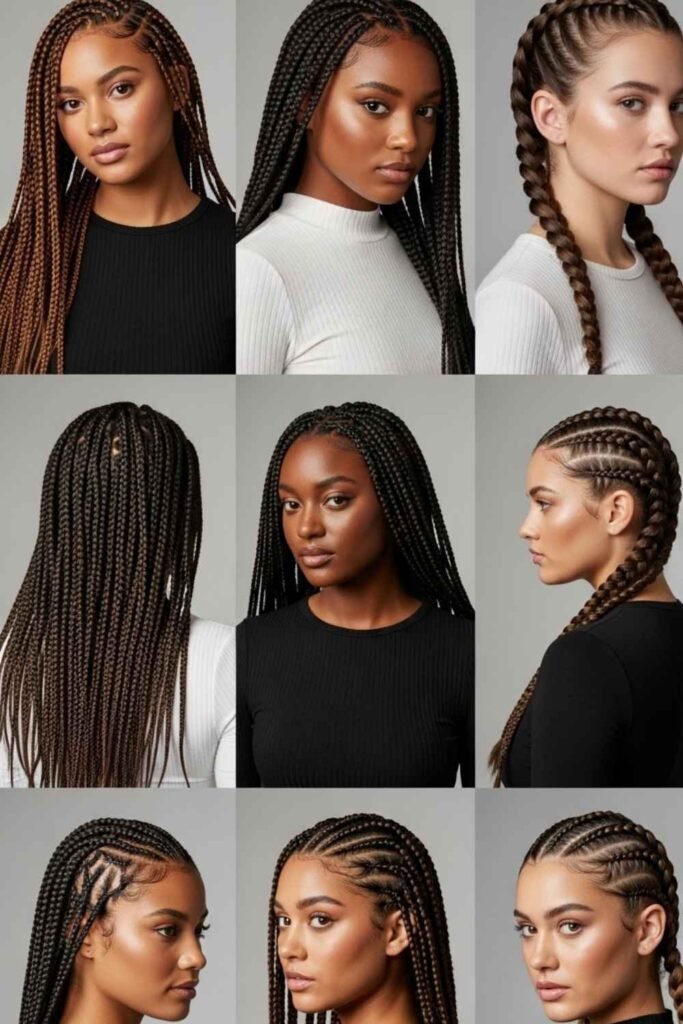
Color is one of the most transformative elements of any braid hairstyle, and 2026’s seasonal palette is rich, layered, and deeply intentional. Rather than following a single dominant color trend, this year encourages women to think about color the way a painter thinks about a canvas using shade, tone, and contrast to create something uniquely personal.
For spring and early summer, the color story is one of awakening and warmth. Honey gold, peachy copper, strawberry blonde, and warm chestnut are the tones dominating the season. These colors mimic the glow of early morning sunlight and pair beautifully with earthy, botanical fashion aesthetics. Women with darker natural hair are opting for these warm tones as ombre additions to the lower halves of their braids, creating a sun-kissed effect that looks completely natural and effortlessly beautiful.
Late summer and autumn bring a deeper, moodier palette into focus. Burnt terracotta, mahogany, deep wine, and rich forest green are the colors of the season. These tones connect deeply with the sensory experience of fall the changing leaves, the spice-warmed air, the shift toward heavier fabrics and layered looks. A set of long knotless braids in deep burgundy ombre, worn over a camel trench coat, is the kind of look that defines the autumn 2026 aesthetic.
Winter in 2026 is all about bold, unapologetic statements. Ice blonde, midnight blue, deep emerald, and warm chocolate are all having a moment, as are all-over vivid colors that contrast dramatically with winter’s muted, grey-toned environment. Many women are choosing a single bold hue a striking cobalt or jewel-toned violet and committing to it fully, rather than blending multiple shades. The monochromatic braid look is unexpectedly powerful and deeply modern.
Step by Step Guide and Expert Tips for Perfect Braids
Achieving a beautiful, long-lasting set of braids requires more than just sitting in the stylist’s chair. Preparation before your appointment and care during the process make an enormous difference in both the quality of the install and the health of your hair underneath.
Before the appointment,
begin with a thorough clarifying wash using a sulfate-free shampoo to remove any product buildup that might interfere with the braiding process. Follow this with a deeply hydrating conditioner and allow your hair to air dry or blow dry on a medium-low heat setting. Detangle carefully from ends to roots, and if possible, schedule your braiding appointment for the day after washing so your hair has had time to fully settle.
Scalp health
is a conversation every woman should have with her stylist before a braid installation. If you experience sensitivity, dryness, or flakiness, ask your stylist to apply a lightweight scalp oil jojoba, peppermint, or tea tree before beginning. This creates a healthy foundation and helps prevent the dryness and itching that sometimes accompanies a fresh braid install.
During the install,
communicate openly with your stylist about tension. Braids should feel secure, not painful. If you feel sharp pain, tugging at your edges, or tightness that causes discomfort, speak up immediately. Tension alopecia hair loss caused by styles that are too tight is entirely preventable with good communication and a skilled, attentive stylist.
After the install,
resist the urge to pull all your braids into a tight ponytail or bun for the first 48 to 72 hours. Your scalp and edges need time to settle into the new style. Sleep on a satin or silk pillowcase, or use a satin bonnet or scarf to protect your braids and reduce friction during the night. Apply a lightweight braid spray or oil mist to your scalp every two to three days to maintain hydration without causing buildup.
Styling Ideas for Different Occasions
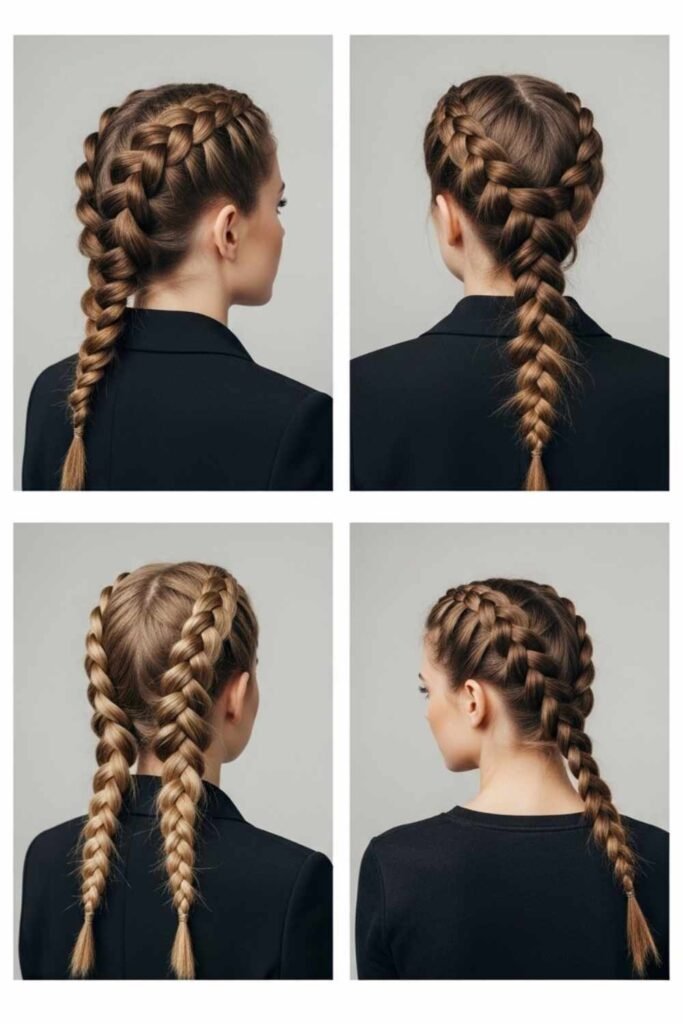
One of the greatest strengths of braided hairstyles is their extraordinary versatility. A single set of braids can be styled in dozens of different ways depending on the occasion, allowing you to move seamlessly from a casual weekend outing to a high-stakes professional presentation to a glamorous evening event without ever touching a flat iron.
For everyday wear,
the half-up, half-down style is endlessly flattering and practical. Pull the top section of your braids into a loose, high bun or a simple two-strand twist, letting the rest cascade freely. This style keeps hair out of your face without requiring full commitment to an updo, and it works beautifully whether you’re running errands, working from a coffee shop, or attending a casual lunch.
For professional settings,
sleek low buns, French-roll inspired updos, and neat ponytails all translate beautifully with braids. The key is a clean, intentional finish tuck any loose ends carefully, use a small amount of edge-control gel to lay your baby hairs neatly, and opt for minimal accessories. A classic pearl or gold hair cuff at the base of a low bun elevates the look from simple to sophisticated.
For weddings and formal events,
braids offer some of the most stunning updo possibilities imaginable. Goddess braid crowns, intricate upswept styles with cascading braids, and elaborate twisted chignons all translate beautifully in a formal context. Many brides in 2026 are choosing to incorporate braids into their wedding day hairstyle as a way of honoring their cultural heritage while still achieving a bridal aesthetic. The result is unforgettable.
For festivals and outdoor events,
braids are practically the perfect style. They withstand humidity, wind, and physical movement far better than most other hairstyles, and they provide a natural canvas for accessories. Layer in some gold cuffs, weave in some colorful thread, or add a headband over your braids for a bohemian festival look that stays intact from morning to midnight.
Celebrity and Social Media Trends
The influence of celebrities and social media on braiding trends in 2026 cannot be overstated. When a major figure like Beyoncé, Zendaya, or Cardi B debuts a new braid style, search volumes for that specific technique spike within hours and salon booking requests follow within days. The pipeline from red carpet to real life has never been faster.
Zendaya has been particularly impactful this cycle, showcasing intricate Fulani-inspired braids with metallic thread on multiple public appearances and sending micro braids back into the cultural conversation after years of relative quiet. Her stylist, Antoinette Hill, has been vocal in interviews about the intentionality behind each style choice emphasizing cultural respect, hair health, and the artistic collaboration between stylist and client.
On the music scene, several Afrobeats and Afropop artists have been instrumental in bringing West African braiding traditions to global audiences. Artists like Tems, Ayra Starr, and Amaarae have appeared in music videos and on international stages wearing elaborate, bead-adorned braids that their global fanbases are rapidly embracing and adapting. This cultural exchange has sparked important and largely positive conversations about appreciation versus appropriation, with most style commentators agreeing that acknowledging and crediting the cultural origins of these styles is both respectful and essential.
On TikTok and Instagram, braiding content continues to dominate beauty spaces. Creators like @thebraidgirl, @braidsbyantonia, and hundreds of emerging braid artists are amassing millions of followers by posting time-lapse braiding videos, tutorials, and before-and-after transformations. The #braids2026 hashtag has already accumulated staggering engagement, and the comment sections of these posts function as real-time trend forecasting hubs where the next wave of popular styles often originates.
Read More About: Short Hairstyles 2026 The Ultimate Guide to Bobs and Waves Every Woman Needs to Know
Do’s and Don’ts of Braiding in 2026
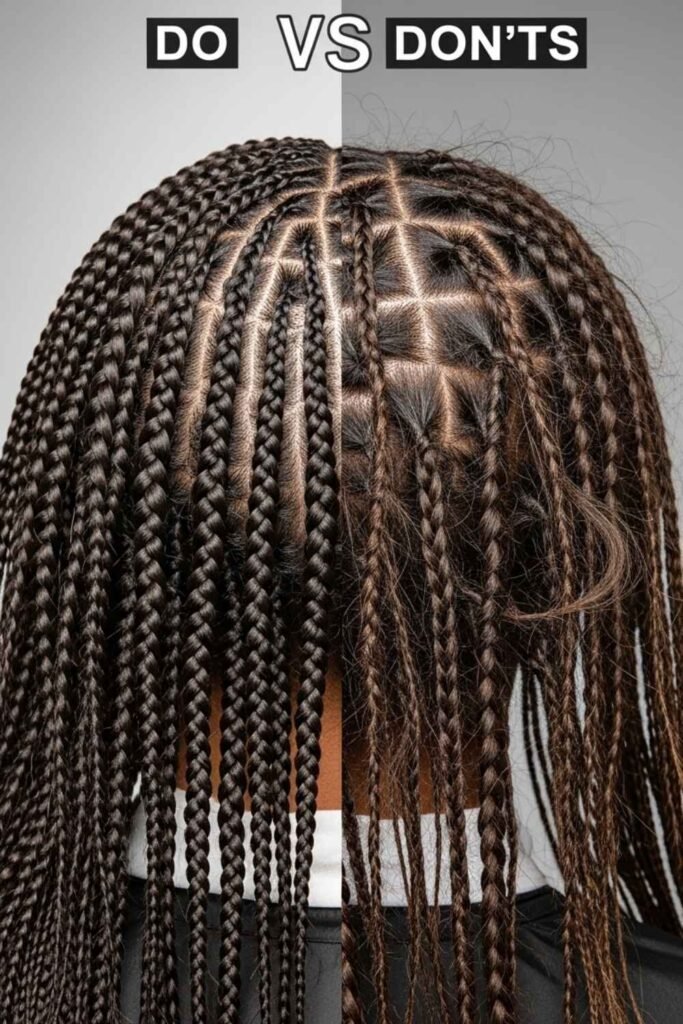
Understanding what to do and what to avoid is the foundation of a successful braiding experience. Many of the most common braid-related hair problems are entirely preventable with the right knowledge.
Do always research your stylist before booking. Look at their portfolio, read reviews, and if possible, speak with previous clients. Braiding is a skilled craft, and not all salons offer the same level of expertise. A great stylist will also be able to advise you on which styles suit your hair type, texture, and density and will be honest if a particular style isn’t recommended for your specific hair health.
Do invest in high-quality braiding hair if you’re using extensions. Cheaper synthetic hair often contains an alkaline coating that can cause scalp irritation and itching. Before installing, many women choose to rinse their braiding hair in apple cider vinegar diluted in water to neutralize this coating. It takes a few extra minutes but makes a significant difference in comfort.
Don’t leave braids in for longer than the recommended period, which is typically six to eight weeks for most protective styles. Leaving braids in for too long causes the shed hairs that naturally accumulate during the wear period to tangle around the base of your braids, leading to matting, breakage, and in severe cases, forced removal that damages the hair shaft. Longer is not better when it comes to protective style wear time.
Don’t neglect your edges. The hairline is the most delicate and tension-vulnerable part of the scalp, and it requires special attention both during and after a braid install. Avoid styles that place excessive tension on the temple and nape areas, and always apply a nourishing oil to your edges as part of your regular maintenance routine.
Common Mistakes to Avoid
Even experienced braid enthusiasts can fall into habits that compromise the health of their hair and the longevity of their style. One of the most prevalent mistakes is skipping the deep conditioning step before installation. Many women rush to the salon chair without adequately moisturizing their hair first, which means they’re starting a weeks-long wear period with already-dehydrated strands. The compression of braiding on dry hair can cause significant breakage, particularly at the points where the braid meets the natural hair.
Another common error is choosing a style that is too heavy for the hair. Jumbo braids with very long extensions place considerable weight on the follicle, and if the natural hair is fine, low density, or already compromised, that weight can accelerate thinning and breakage. Always consult with your stylist about the appropriate size and length for your specific hair type.
Many women also make the mistake of over-manipulating their scalp during the wear period scratching with combs or styling tools, pulling braids tightly throughout the day, or constantly touching and rearranging the style. This habitual manipulation irritates the scalp and weakens the braid roots. If your scalp itches, use a diluted witch hazel or tea tree spray applied directly to the scalp never scratch.
Budget Friendly Braid Ideas
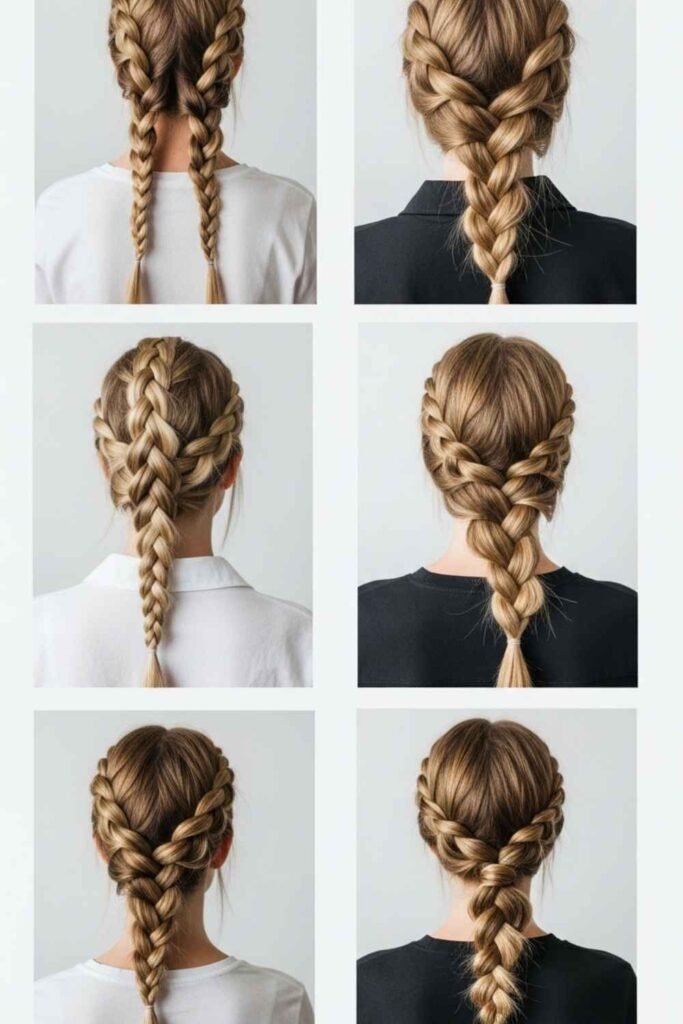
Beautiful braids don’t have to come with a premium price tag. There are several ways to achieve stunning, trend-forward looks without spending a fortune, and 2026’s most exciting styles are remarkably accessible at a range of price points.
Feed-in cornrows with simple geometric patterns are among the most affordable professional braid styles available, typically ranging from moderate to budget-friendly depending on your location and the complexity of the design. A skilled stylist can create an extraordinarily beautiful cornrow pattern in two to four hours, and the style can last for three to four weeks with proper care. Adding a few decorative beads or cowrie shells which cost very little elevates the look significantly.
Box braids are another excellent value-for-money choice. While the initial installation can take several hours, the style typically lasts six to eight weeks, making the cost per week very reasonable compared to styles that require more frequent salon visits. Buying your own braiding hair before your appointment rather than purchasing it from the salon can also reduce costs noticeably.
For the most budget-conscious, two-strand twists and flat twists done at home are beautiful, versatile protective styles that require no professional installation. There are thousands of excellent tutorial videos available for free on YouTube and TikTok, and the technique is learnable with practice. Many women combine at-home twist styles with occasional professional braid installs, achieving a full range of looks throughout the year without exceeding a modest beauty budget.
Premium and Luxury Braid Experiences
At the other end of the spectrum, the luxury braid market in 2026 is more sophisticated and sought-after than ever. High-end braiding studios in cities like London, New York, Los Angeles, Lagos, and Paris are offering multi-hour consultation and installation experiences that treat braiding as the fine craft it truly is.
Premium knotless braids using Japanese-grade synthetic fiber or human hair extensions can cost several hundred dollars and take upwards of eight hours to complete, but the result is a set of braids so natural-looking and perfectly executed that they are virtually indistinguishable from natural hair. These installs are often accompanied by a detailed scalp treatment, a personalized color consultation, and a follow-up care kit including custom braid sprays and scalp oils.
The luxury segment is also seeing a surge of demand for custom embellished braids styles where gold cuffs, Swarovski crystals, real pearls, and handmade clay beads are individually applied to each braid. These accessories are sourced from artisan makers and sometimes even custom-designed to match a client’s jewelry collection or wedding palette. The result is a deeply personalized, museum-quality hairstyle that functions almost as fine jewelry for the hair.
How to Maintain and Care for Your Braids
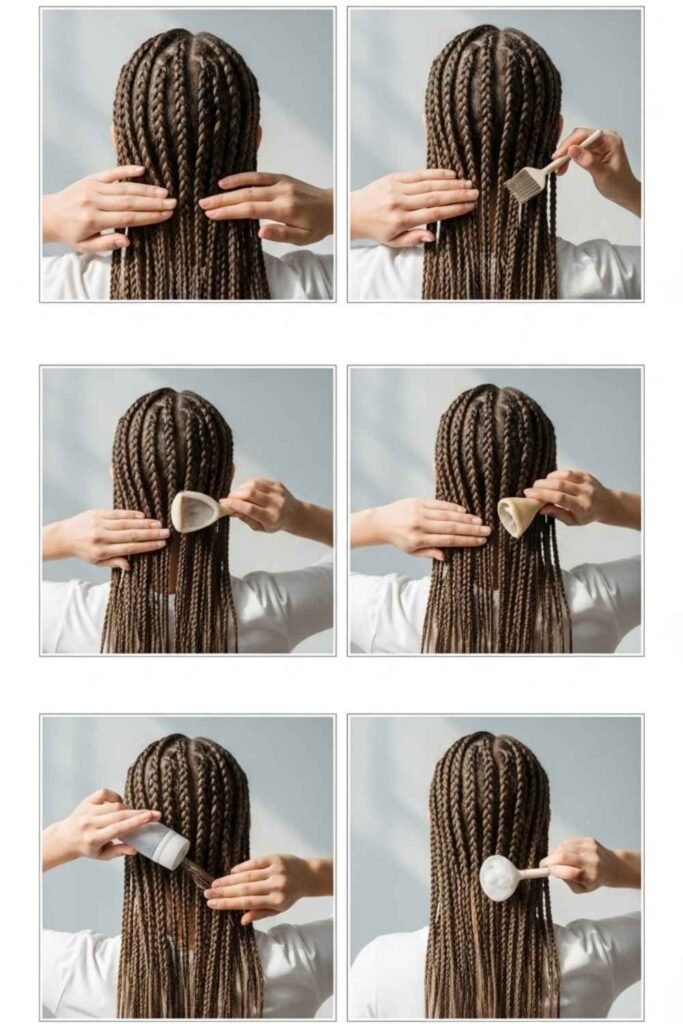
Proper maintenance is what separates a braid install that looks fresh and polished for six to eight weeks from one that begins to look tired and unkempt after two. The good news is that a consistent, simple routine is all you need to keep your braids looking their very best throughout their wear period.
Scalp moisturization is the non-negotiable cornerstone of braid maintenance. Every two to three days, apply a lightweight oil argan, jojoba, or a specialized braid oil blend directly to your scalp using a dropper bottle or applicator tip. Massage gently with your fingertips to stimulate circulation and distribute the oil evenly. Avoid heavy creams or butters directly on the scalp, as these can cause buildup and contribute to scalp odor.
Nighttime protection is equally important. Sleeping without any head covering causes significant friction between your braids and your pillowcase, leading to frizz, loosening at the roots, and lint accumulation. A satin bonnet is the simplest and most effective solution. If you find bonnets uncomfortable, a satin-lined sleep cap or simply switching to satin pillowcases achieves the same protective result.
Refreshing your style mid-wear is a skill worth developing. A light mist of water mixed with a few drops of essential oil can revitalize limp or frizzy braids and restore definition to the style. For braids that have begun to frizz at the surface, a light application of a braid mousse or foam worked carefully over the braid surface tames flyaways and restores a neat finish without excessive product buildup.
Knowing when to take them down is perhaps the most important maintenance skill of all. When you notice significant new growth at the root, lint and buildup accumulating at the base of your braids, or frizzing that cannot be managed with refreshing products, it is time for removal. Take your time with the takedown process working slowly section by section, using a detangling spray or conditioner to soften any knots to minimize breakage and protect the integrity of your natural hair.
Comparison Table 2026 Braid Styles at a Glance
| Style | Best For | Maintenance Level | Average Duration | Price Range | Occasion |
| Knotless Box Braids | All hair types | Low–Medium | 6–8 weeks | Moderate–High | Everyday, Events |
| Goddess Braids | Thick/natural hair | Low | 3–5 weeks | Moderate | Formal, Weddings |
| Micro Braids | Fine to medium hair | Medium | 6–8 weeks | High | Everyday, Casual |
| Feed-In Cornrows | All types | Low | 3–4 weeks | Low–Moderate | Everyday, Sports |
| Fulani-Inspired | Natural/4C hair | Low–Medium | 4–6 weeks | Moderate | All occasions |
| Bohemian Braids | Natural/wavy | Medium | 4–6 weeks | Moderate–High | Festivals, Casual |
Expert Tips and Pro Hacks
Professional stylists with years of experience have a handful of insider techniques that consistently deliver superior results. One of the most widely shared pro hacks is the apple cider vinegar rinse for braiding hair soaking new synthetic hair in a solution of one part ACV to three parts water for ten to fifteen minutes before installation neutralizes the alkaline coating on most synthetic fibers and dramatically reduces post-install scalp itching.
Another expert technique is sealing the ends of braids with a very brief dip in hot water (for synthetic fibers that respond to heat) rather than cutting or burning. This creates a naturally rounded, smooth finish at the braid tip that looks more organic and lasts considerably longer than burned or cut ends.
For maintaining edges throughout the wear period, seasoned stylists recommend applying a small amount of castor oil mixed with a lightweight carrier oil like sweet almond or grapeseed to the hairline every night before bed. The combination of castor oil’s thickness and a carrier oil’s lightweight penetration creates the perfect environment for edge growth and preservation without heaviness or buildup.
Read More About: Haircuts With Bangs Ideas 2026 The Ultimate Guide to Trendy Fringe Styles
Trend Forecast for 2027 and Beyond
Based on the trajectory of current styling directions, several clear trends are beginning to emerge that will likely define braiding aesthetics into 2027. The movement toward cultural precision where stylists not only master specific cultural braiding techniques but also contextualize them for clients will continue to grow, with more salons offering cultural education alongside styling services.
Sustainable hair extension materials will become increasingly central to the conversation. As environmental awareness deepens globally, the demand for biodegradable, ethically sourced, or recycled-fiber braiding hair will accelerate. Several innovative brands are already working on plant-based fiber alternatives to traditional synthetic braiding hair, and these products will likely become mainstream within the next one to two years.
Technology integration is another fascinating frontier. Augmented reality tools that allow clients to virtually try on braid styles before committing to an install are already being piloted by forward-thinking salons, and the sophistication of these tools is improving rapidly. By 2027, booking a braid appointment may routinely involve a virtual consultation where both client and stylist can experiment with styles, colors, and lengths in real time before any extension is ever purchased.
FAQs
Which braids hairstyle is best for beginners in 2026?
Feed-in cornrows and two-strand twists are ideal entry-level braid styles for beginners. Feed-in cornrows are relatively quick to learn with practice and create a polished, versatile base style. Two-strand twists are even more accessible for DIY styling at home and offer excellent protective benefits. Both styles are low-tension, relatively low-maintenance, and provide a great foundation before exploring more complex techniques.
How long do knotless braids last in 2026?
With proper care regular scalp oiling, nightly satin protection, and avoiding excessive manipulation knotless braids typically last between six and eight weeks. The longevity depends on factors including your hair growth rate, how well you maintain the style, and the quality of extensions used. After eight weeks, new growth and potential tangling at the braid base make timely removal important for preserving hair health.
What are the best colors for braids hairstyles in 2026?
The most popular braid colors in 2026 include warm honey gold, burnt copper, deep burgundy, cobalt blue, sage green, and rich mahogany. Ombre and gradient colorations where natural dark roots transition into lighter or vivid tones are particularly trending. The “best” color ultimately depends on your natural complexion, personal style, and the seasonal aesthetic you’re drawn to, but warm earth tones and deep jewel shades are particularly versatile and universally flattering.
Are braids good for hair growth and health?
Braids are excellent protective styles when installed and worn correctly. By tucking the ends of your hair away and minimizing daily manipulation, they help retain length and reduce breakage two critical factors in growing longer, healthier hair. However, braids that are too tight, left in too long, or installed on already-damaged hair can actually worsen breakage and cause traction alopecia. The key is proper installation tension, healthy hair preparation, and timely removal.
How do I find a skilled braid stylist in 2026?
Start by searching Instagram and TikTok for local braid artists using location-specific hashtags like #[yourcity]braids or #braidstylist[yourcity]. Look for portfolios that demonstrate consistent quality across different styles and hair types. Read Google and Yelp reviews carefully, paying attention to comments about tension, longevity, and client communication. Many excellent stylists also offer consultations before booking, which is a great opportunity to discuss your hair health and style goals before committing to an install.
Conclusion
Braids in 2026 are more than a hairstyle choice they are a declaration of artistry, cultural pride, and personal expression. Whether you choose the sleek sophistication of knotless box braids, the regal drama of a goddess braid crown, the delicate intricacy of micro braids, or the cultural richness of Fulani-inspired designs, you are participating in one of the world’s oldest and most beautiful hair traditions reinterpreted for a modern, globally connected world.
The most important thing to remember as you explore the extraordinary braid landscape of 2026 is that the best style is the one that makes you feel most powerfully, beautifully yourself. Work with a skilled stylist who respects both your hair health and your vision. Invest in proper preparation and aftercare. And most importantly, wear your braids with the confidence they deserve.


