
Hair Braiding Near Me: Types, Costs, Styles & How to Choose the Best Braider


Searching for “hair braiding near me” late at night is a very common thing. Maybe you have an event this weekend. Maybe your edges need a break. Maybe you just want a fresh look. Whatever the reason, finding the right hair braiding services takes a little know-how.
This guide covers everything. You’ll learn how to find a licensed braider near you, what braids cost across the USA, and how to braid your own hair at home. We’ll also look at braid history, hair care tips, and the best styles for your hair type. Let’s get started.
Read More About: 80s Outfit Ideas How to Dress Like the 80s with Normal Clothes (Without Spending a Fortune)
Find the Best Hair Braiding Near You
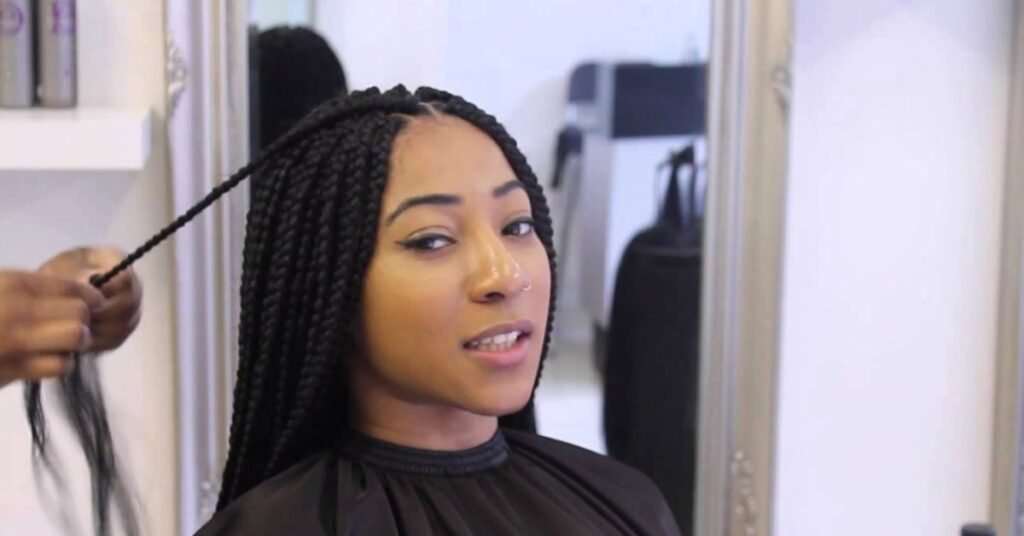
Finding great hair braiding services starts with research. Not every salon offers the same quality. Some braiders specialize in protective braid styles. Others focus on kids’ hair or intricate braid patterns. You want someone who matches your needs and your hair type.
A good search combines online reviews, portfolio photos, and word of mouth. Ask friends with braids who did their hair. Check Google and Yelp ratings too. A strong reputation usually means consistent, quality work.
What to Look for in a Professional Hair Braider
A professional braiding expert should have proper training. Many states require a cosmetology license for braiding services. This isn’t just paperwork. Licensed braiders often understand hair health, scalp tension, and safe techniques better than untrained stylists.
Look at their portfolio first. Most braid specialists post photos on Instagram or TikTok. Check for clean, even parts. Look at the finish near the hairline. Sloppy edges usually mean sloppy technique everywhere else.
Hygiene matters a lot too. A clean station, sanitized combs, and fresh detangling comb tools show professionalism. If a braider washes their hands between clients and keeps their workspace tidy, that’s a good sign. Cleanliness protects your scalp from infections and irritation.
Specialization is another factor. Some braiders focus only on natural hair. Others work mostly with braid extensions or wigs. If you want natural hair braiding without added hair, ask directly. Not every stylist does both well.
Questions to Ask Before Booking
Before you book, a short braid consultation saves a lot of trouble. Ask if they use synthetic hair or human hair extensions. This affects both price and how the braids look and feel.
Ask how long the braid appointment will take. Some styles take two hours. Others take eight. You need to plan your day around this. Ask if the price includes wash, take-down, or extra styling. Hidden fees are common in this industry, so clarity upfront avoids surprises.
Ask about their experience with your specific hair texture. Fine hair, thick hair, and curly hair all behave differently under tension. A good braider adjusts their technique for hair elasticity and hair density. Finally, ask about their cancellation policy. Life happens, and you want flexibility if plans change.
| Question | Why It Matters |
| Do you use synthetic or human hair? | Affects cost, texture, and longevity |
| How long will this take? | Helps you plan your schedule |
| What’s included in the price? | Avoids hidden fees |
| Have you worked with my hair type? | Ensures proper technique |
| What is your cancellation policy? | Protects your time and money |
Average Hair Braiding Prices in the USA ⭐
Pricing varies a lot across the country. City salons in New York or Los Angeles often charge more than small-town shops. Style, length, and braid size all affect the final number too. Larger braids take less time, so they usually cost less than tiny, detailed ones.
Here’s a general breakdown for hair braiding cost across the USA:
| Braid Style | Average Price Range |
| Cornrows | $50 to $120 |
| Box Braids | $120 to $250 |
| Knotless Braids | $150 to $300 |
| French Braids | $40 to $90 |
| Fishtail Braids | $50 to $100 |
Tipping is standard practice, just like other personal services. Fifteen to twenty percent is typical for good work. Remember that longer hair, thicker hair, and smaller braids usually raise the price. A braid consultation before booking helps you get an accurate quote.
Hair Braiding 101: Everything You Need to Know
Hair braiding sounds simple. Cross one strand over another, repeat, done. But there’s real skill behind a clean, lasting braid. Understanding the basics helps you talk to your braider and make smarter choices for your hair.
This section covers what braiding actually is, why people love it, and the styles you’ll see most often at any salon offering expert hair braiding.
What Is Hair Braiding?
Hair braiding means weaving three or more strands of hair together in a pattern. The most classic version is the three-strand braid, where each strand crosses over the middle one in turn. This creates a tight, rope-like design that holds its shape.
Braiding differs from twisting. Twists use two strands wrapped around each other. Braids use three or more, woven in a criss-cross pattern. Both count as protective hairstyle options, but they look and feel different once finished.
Benefits of Hair Braiding
Braids protect hair from daily wear and tear. Wind, friction from clothing, and constant brushing all cause damage over time. A well-done braid tucks the ends away and reduces this daily stress.
Braids also save time. Once installed, you skip the morning styling routine for weeks. This makes them a truly low-maintenance hairstyle, perfect for busy people, athletes, or anyone who wants a break from heat styling. Many people also see braids as a way to support length retention, since the hair isn’t manipulated as often.
Popular Types of Braids
There are many popular braid styles worth knowing. Box braids offer long-lasting protection. French braids work for everyday wear. Dutch braids create a raised, 3D look. Cornrows lie flat against the scalp. Fishtail braids look elegant for special events. Knotless braids reduce scalp tension compared to older methods.
We’ll explore each of these in detail further down this guide.
How to Braid Hair
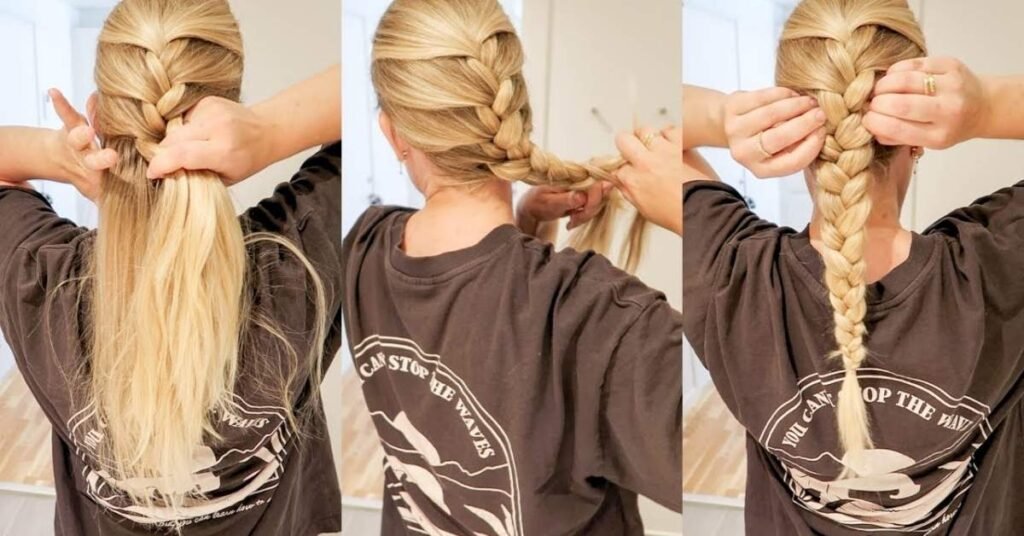
Learning to braid takes practice, but the basics aren’t hard. With the right tools and a little patience, most people can learn a simple braid within an hour or two of practice.
This section walks through the tools, prep work, and steps for a basic braid, plus common mistakes that trip up beginners.
Tools You’ll Need Before You Start
Before you braid, gather your supplies. You’ll want a rat-tail comb for clean parting, sectioning clips to hold hair out of the way, and edge control to smooth flyaways. A detangling comb helps remove knots without breaking hair.
You’ll also want a leave-in moisturizer or hair mousse for grip and shine. If you’re adding length or volume, keep braid extensions nearby, either synthetic hair or human hair extensions, depending on your budget and preference.
How to Section Hair Correctly
Clean sectioning makes or breaks a braid. Start with detangled hair, working from the ends upward with your detangling comb. Tangled hair leads to uneven, lumpy sections.
Use your rat-tail comb to create straight, even parts. Rectangular sections work well for box braids. Triangular sections often look better for cornrows, since they follow the curve of the head. Damp hair, not soaking wet, is usually easier to handle than fully dry hair.
How to Make a Basic Three-Strand Braid
The three-strand braid is the foundation for almost every other style. Here are the basic steps:
Divide the hair into three even sections.
Cross the right strand over the middle strand.
Cross the left strand over the new middle strand.
Repeat this pattern, keeping even tension throughout.
Secure the end with a small hair tie.
Practice on a mannequin head first if you’re nervous. It takes the pressure off and lets you build muscle memory.
Common Braiding Mistakes to Avoid
Many beginners braid too tightly. This causes scalp tension and, over time, can lead to hair loss near the hairline. Always aim for firm, not painful, tension.
Uneven sections cause lopsided results. Skipping moisture before braiding leads to dry, brittle strands. Using the wrong braid size or the wrong hair type of extensions can also throw off the final look. Take your time, and don’t rush the sectioning step.
How to Braid Your Own Hair
Braiding your own hair is a useful skill. It saves money and gives you full control over the style. It does take some practice, especially reaching the back of your head, but most people improve quickly.
This section breaks down beginner-friendly options and tips for different hair textures.
Easy Braids for Beginners
Start simple. A basic three-strand braid is the easiest place to begin. Two French braid pigtails are often easier than one center braid, since you can see both sides in the mirror. A half-up braided crown is another beginner-friendly option that looks polished without much difficulty.
Practice the reverse-hand technique in front of a mirror. It feels strange at first, but it becomes natural with repetition.
How to Braid Short Hair Yourself
Short hair presents its own challenges. Small rubber bands help anchor short pieces that want to slip out. Cornrow-style micro braids work well for pixie cuts, since they lie flat and don’t need much length to hold.
A little styling gel or braiding gel helps control shorter, flyaway pieces. Use an edge brush to smooth the hairline for a neat, salon-quality finish.
Tips for Braiding Thick, Curly, and Fine Hair
Thick hair needs smaller sections and more patience. Take breaks if your hands get tired. Curly hair should be detangled with conditioner first, since dry curls resist smooth sectioning hair. Braiding on slightly damp, not soaking wet, curly hair usually gives the cleanest braid pattern.
Fine hair benefits from texturizing spray for extra grip. Avoid pulling too tight, since fine strands break more easily under pressure. Matching your products to your hair density makes a big difference in the final result.
Most Popular Braids to Try
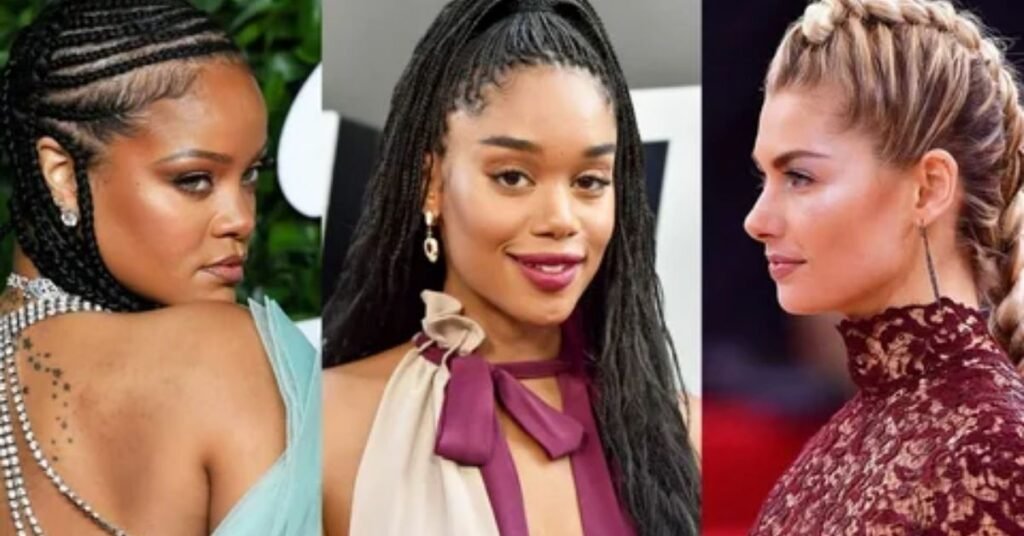
Once you understand the basics, it’s fun to explore different styles. Each braid type has its own look, wear time, and best use case. Some suit everyday wear. Others work better for special occasions or long-term protective styling.
Below is a quick guide to the most requested styles at salons offering custom braid styles.
Box Braids
Box braids use square-shaped sections, hence the name. They’re incredibly versatile and offer strong braid longevity, often lasting six to eight weeks with proper care. Many people choose box braids as a classic protective braid styles option for both everyday wear and vacation hairstyles.
French Braids
French braids add small sections of hair as you braid down the head. They’re a favorite for everyday hairstyles, since they keep hair off the face during workouts or busy days. Variations include the Dutch-French combo and braided updo looks.
Dutch Braids
Dutch braids flip the French braid technique. Instead of crossing strands over the middle, you cross them under. This creates a raised, three-dimensional look that stands out, especially for festivals or textured styling.
Cornrows
Cornrows braid flat against the scalp in neat rows. This style has deep cultural roots and remains one of the most requested protective braid styles today. Patterns range from simple straight-back rows to detailed geometric designs.
Fishtail Braids
Fishtail braids use a two-strand weaving technique that creates an intricate, textured look. They work beautifully for weddings, parties, or romantic, boho-inspired styling. A slightly loose finish often looks best with this style.
Knotless Braids
Knotless braids are a modern update to traditional box braids. They start with your natural hair and add extensions gradually, which reduces scalp tension at the root. This makes them gentler on sensitive scalps and a favorite for tension-free braiding.
Does Braiding Help Hair Growth?
There’s a common myth that braiding makes hair grow faster. That’s not quite true. Braiding doesn’t speed up growth at the follicle level. What it does well is protect the hair you already have, which supports length retention over time.
Understanding the difference between growth and retention helps set realistic expectations for anyone starting a protective hair routine.
Does Braiding Prevent Breakage?
Braids work by reducing daily manipulation. Less combing, less styling, and less friction all mean fewer chances for breakage. This is the real reason braided hair often appears to “grow” faster. It isn’t growing quicker. It’s simply breaking less.
Can Braids Damage Hair?
Yes, braids can cause damage if done incorrectly. Traction alopecia happens when braids are installed too tightly, pulling on the hairline over time. Warning signs include scalp tenderness, small bumps, or noticeable shedding along the edges.
To braid safely, keep tension looser near the root. Choose an appropriate braid size for your hair’s strength. A skilled braid specialist knows how to balance a neat look with proper hairline protection.
Read More About: 35 Boho Waist Belt Outfit Ideas for Every Season and Style
How to Care for Braided Hair
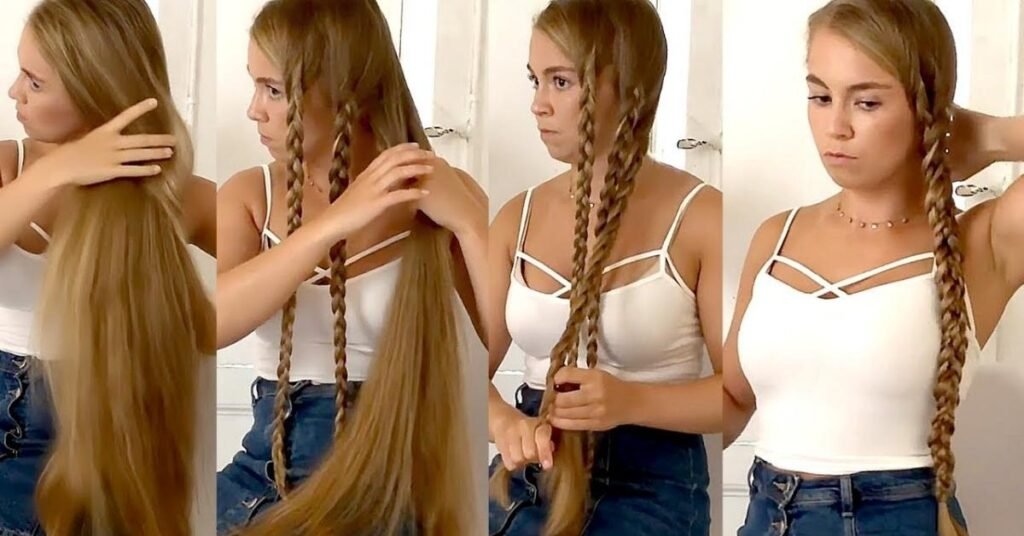
Caring for braids properly extends their life and protects your natural hair underneath. Many people skip this step, thinking braids need no maintenance. That’s a mistake that leads to itchy scalps and frizzy, tangled roots.
A consistent care routine keeps braids looking fresh and your scalp healthy for weeks at a time.
Washing Braided Hair
Washing braids is different from washing loose hair. Mix a scalp cleanser or diluted shampoo in an applicator bottle. This lets you target the scalp directly without disturbing the braid pattern too much. Rinse water through the lengths as it flows down naturally. Most people wash braids every one to two weeks.
Moisturizing Your Scalp
Dry, itchy scalp is one of the biggest complaints with braids. Lightweight oils like jojoba or tea tree work well without causing buildup. A moisturizing oil applied directly to the scalp, followed by gentle massage, keeps the skin healthy underneath the braids. Avoid heavy butters, which can clog and weigh down the style.
A braid spray or leave-in moisturizer helps refresh the hair between washes. This is often called a braid refresh, and it keeps braids looking neat while controlling frizz control issues around the hairline.
How Long Should You Keep Braids In?
Most braids last four to eight weeks, depending on the style and how well you care for them. Signs it’s time for braid removal include heavy matting, frequent itching, or noticeable new growth at the root. Leaving braids in too long raises the risk of matting and tangling, which makes takedown harder and more damaging.
Hair Braiding in Black Culture
Braiding carries deep cultural meaning that goes far beyond style. For centuries, braids have told stories about identity, community, and heritage. Understanding this history adds real depth to how we appreciate braiding today.
This isn’t just a beauty trend. It’s a tradition passed down through generations.
The History of Hair Braiding
Hair braiding traces back thousands of years to African tribal traditions. Different patterns once indicated tribe, age, social status, or even marital status. These traditions traveled through the African diaspora and evolved as they spread across the world, eventually becoming a defining part of Black hair culture in America.
Braiding as Family Tradition
For many families, braiding is a bonding ritual. Mothers and grandmothers often teach daughters how to braid, passing down technique and patience together. Salons themselves became community spaces, places for conversation, laughter, and connection, not just hairstyling.
Braids and Identity
Braids represent pride and self-expression for many people. Modern conversations around hair discrimination, including the CROWN Act, highlight ongoing efforts to protect natural hairstyles like braids in schools and workplaces across the USA. Braids remain a powerful symbol of identity and heritage.
How to Choose the Right Braid Style for Your Hair Type
Not every braid style suits every hair type. Choosing correctly protects your hair and gives better, longer-lasting results. Thin hair, thick hair, and hair needing extra protection all call for different approaches.
Matching style to hair type is one of the most important decisions in the whole braiding process.
Best Braids for Thin Hair
Thin hair does best with lighter styles. Smaller French braids or thin cornrows avoid overwhelming delicate strands. Heavy extensions can strain the scalp and cause breakage, so it’s best to avoid overly thick braid extensions if your natural hair is fine.
Best Braids for Thick Hair
Thick hair can handle larger, bolder styles. Chunky box braids and thick Dutch braids hold their shape well and often last longer, since there’s more natural hair to support the style. Thick hair also offers more versatility for styling once braided.
Best Protective Braids
For overall scalp and hair health, knotless braids, cornrows, and box braids rank among the best protective braid styles. Each offers a good balance of style, comfort, and braid longevity when installed correctly by a licensed braider.
How Long Does Hair Braiding Take?
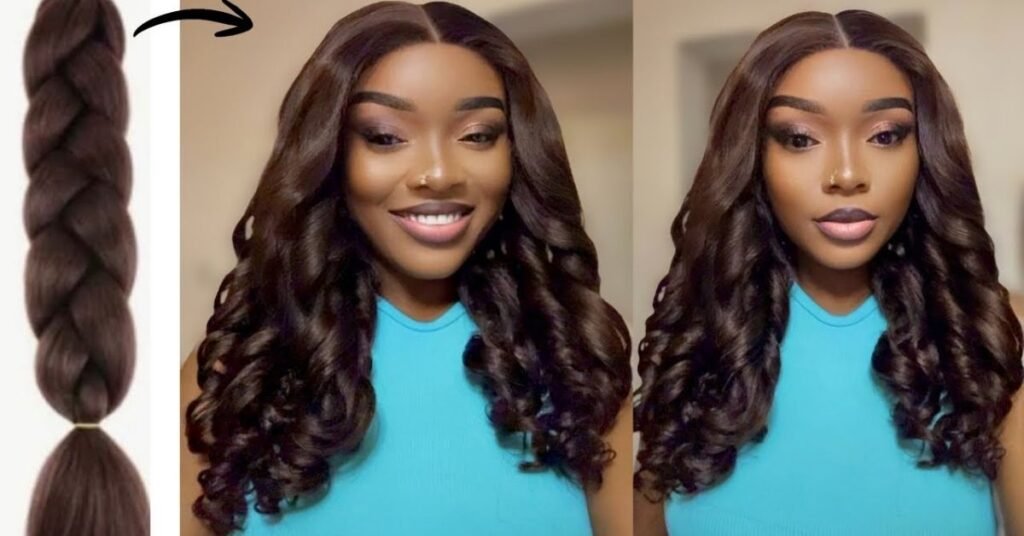
Installation time varies widely depending on the style, hair length, and the braider’s skill level. Knowing what to expect helps you plan your day and set realistic expectations before your appointment.
Smaller, more detailed styles naturally take longer than larger, simpler ones.
Time Required by Different Braid Styles
| Style | Time Estimate |
| Cornrows | 1 to 2 hours |
| Box Braids | 4 to 7 hours |
| Knotless Braids | 5 to 8 hours |
| French Braid | 15 to 30 minutes |
| Fishtail Braid | 20 to 40 minutes |
Longer hair, denser hair, and smaller braid size all add extra time. An experienced braid specialist usually works faster than someone newer to the craft, without sacrificing quality.
Braiding Cost Calculator & Price Factors
Understanding what drives price helps you budget properly and avoid surprises at checkout. Several factors combine to determine your final hair braiding cost.
Below are the three biggest factors affecting price at most salons.
Hair Length
Longer hair simply takes more time and more product. Shoulder-length hair costs less than waist-length hair for the same style, since there’s more material for the braider to work with.
Braid Size
Smaller, more detailed braids take significantly longer to install. Jumbo braids finish faster and typically cost less than micro braids, which can take many extra hours to complete.
Hair Extensions
Synthetic hair generally costs less than human hair extensions, but human hair often looks more natural and lasts longer. Whether the braider supplies the hair or you bring your own also affects the total price of your braid appointment.
Frequently Asked Questions
How long do braids last?
Most braids last between four and eight weeks. Proper care, including regular moisturizing and gentle washing, extends this timeframe significantly.
Can I wash braided hair?
Yes, absolutely. Use a diluted shampoo or scalp cleanser applied directly to the scalp, then let the water rinse through the braids naturally.
Which braid style lasts the longest?
Knotless braids and traditional box braids typically outlast smaller or looser styles, often holding up well for six to eight weeks.
What braid style is easiest for beginners?
The basic three-strand braid and French braid pigtails are the easiest starting points for anyone new to braiding.
Is it better to braid wet or dry hair?
Slightly damp hair usually offers the best control. Fully wet hair can be harder to manage, while completely dry hair may resist smooth sectioning hair.
Conclusion
Finding the right hair braiding services doesn’t have to be stressful. Start by researching a professional braiding expert near you, ask the right questions during your braid consultation, and choose a style that fits your hair type and lifestyle. Whether you visit a licensed braider for salon-quality braiding or try a simple braid at home, understanding the basics helps you get better, longer-lasting results.
Braids are more than a hairstyle. They’re practical, protective, and deeply rooted in culture and tradition. The next time you search “hair braiding near me,” you’ll know exactly what to look for, what to ask, and what to expect.


