
Hair Color Ideas 2026 The Balayage Trends You Need to Know Right Now


Hair color is never just about covering grays or chasing a trend it is one of the most powerful acts of self-expression a person can perform. And in 2026, the conversation around hair color has evolved into something genuinely exciting. The balayage technique, once a fresh disruption to the traditional foil highlight, has now matured into an art form with dozens of sophisticated variations. Each one tells a different story about the person wearing it. This year, colorists across Paris, New York, and Seoul are pushing balayage into new territory blending warmth with dimension, embracing natural textures, and marrying bold pigments with sun-kissed softness in ways that feel both timeless and unmistakably modern.
What makes 2026’s balayage landscape so distinct is how deeply personal it has become. Unlike the uniform highlights of decades past, today’s balayage is custom-tailored to your skin undertone, your lifestyle, your natural growth pattern, and even the season you are booking your appointment in. The days of requesting a single celebrity’s color photo and walking out with a carbon copy are essentially over. Today’s top colorists treat each head of hair like a canvas painting light exactly where it would fall naturally, enriching depth where shadow should live, and crafting transitions so seamless that no one can quite put their finger on what makes your hair look so impossibly beautiful.
Whether you are a first-time balayage client curious about stepping away from your natural shade, or a seasoned color lover looking to refresh your look with the season’s most compelling palettes, this guide is for you. We have spoken to industry professionals, studied runway and editorial data, and dissected what is trending in salons from Mayfair to Manhattan. The result is the most comprehensive, stylist-approved breakdown of 2026’s best balayage hair color ideas complete with seasonal recommendations, maintenance advice, celebrity-driven insights, and an honest look at what works, what does not, and what is going to define the next twelve months in hair color.
Read More About: Preppy Outfit Ideas 2026 The Ultimate Modern Style Guide for the New Prep Era
Latest Trends in Balayage Hair Color 2026
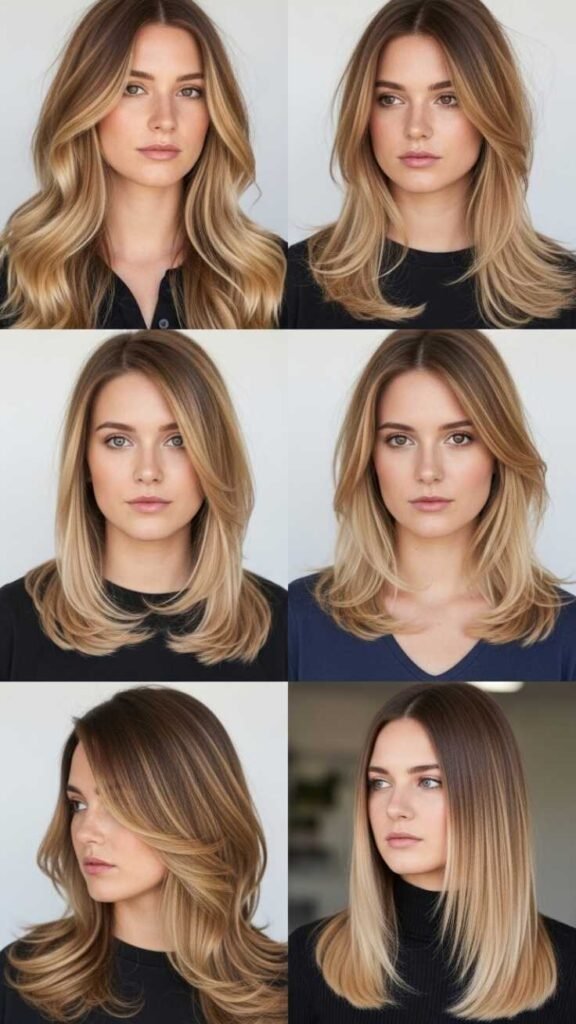
If there is one overarching direction shaping balayage in 2026, it is the return to intentional warmth. After a long flirtation with icy blondes, silver tones, and cool ashy hues, the pendulum has swung firmly back toward toasted, golden, and amber-rich palettes. This does not mean cool tones are off the table far from it but the way warmth is being applied has become far more sophisticated. Colorists are no longer simply “going golden.” Instead, they are layering warm caramel over rich chocolate bases, introducing terracotta streaks into auburn mid-lengths, and finishing brunette balayage with honey gloss treatments that catch the light in the most extraordinary ways.
The money piece trend has also evolved significantly in 2026. Where previous versions featured heavy, high-contrast face-framing pieces that sometimes felt harsh, this year’s approach is softer, more integrated, and deliberately organic. Face framing is still everywhere it flatters virtually every face shape, draws attention to the eyes, and gives hair instant visual lift but the technique has been refined to feel like the hair simply grew that way. Colorists are feathering lighter tones at the temples and cheekbone-level sections, creating an effect that is luminous without being loud.
Another major trend reshaping the balayage world in 2026 is what industry insiders are calling “lived-in colour” a deliberate, artful recreation of the patina that hair develops naturally after months of sun exposure, saltwater, and gentle fading. The goal is not to look like you have not been to a salon. It is to look like the version of yourself that just returned from three weeks on the Amalfi Coast. This trend is being embraced by clients who want low-commitment color that grows out beautifully and by stylists who see it as a canvas for genuine technical artistry.
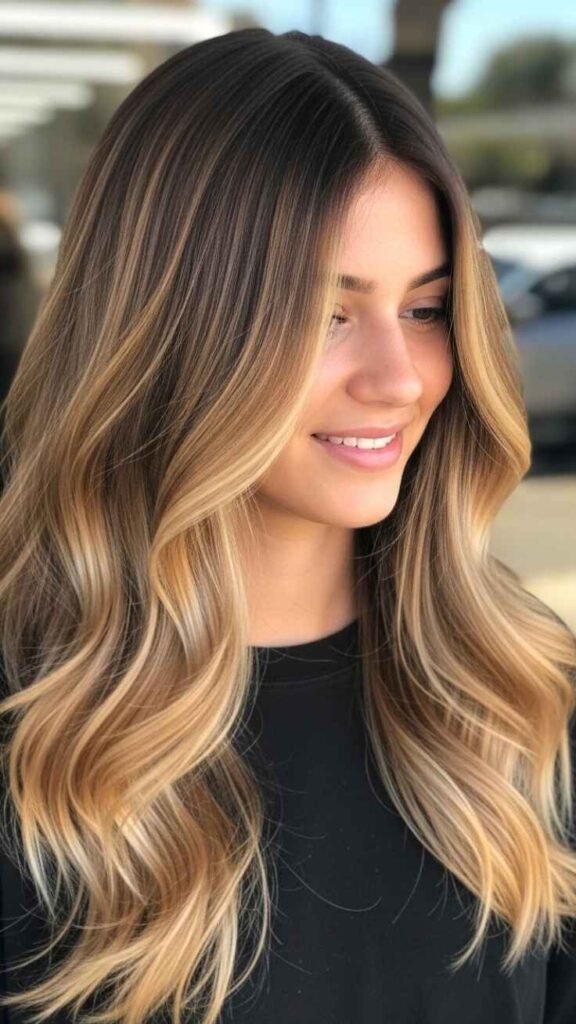
Perhaps the most technically interesting development this year is the rise of multi-tonal dimensional balayage. Rather than moving from one shade to another in a simple gradient, colorists are now building three, four, or even five distinct tonal values into a single head of hair rich espresso roots, mocha mid-lengths, caramel transitions, honey ends, and occasional flashes of champagne blonde at the very tips. The result is extraordinary depth and movement that shifts from deep and mysterious in low light to dazzlingly sun-kissed in direct sunlight.
Best Balayage Styles and Color Ideas for 2026
Toasted Caramel Brunette Balayage
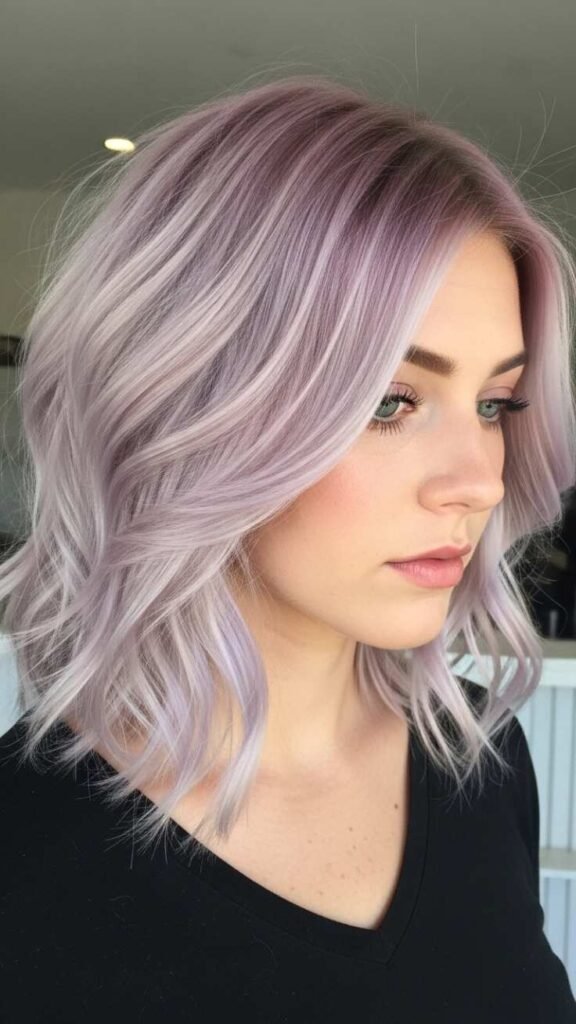
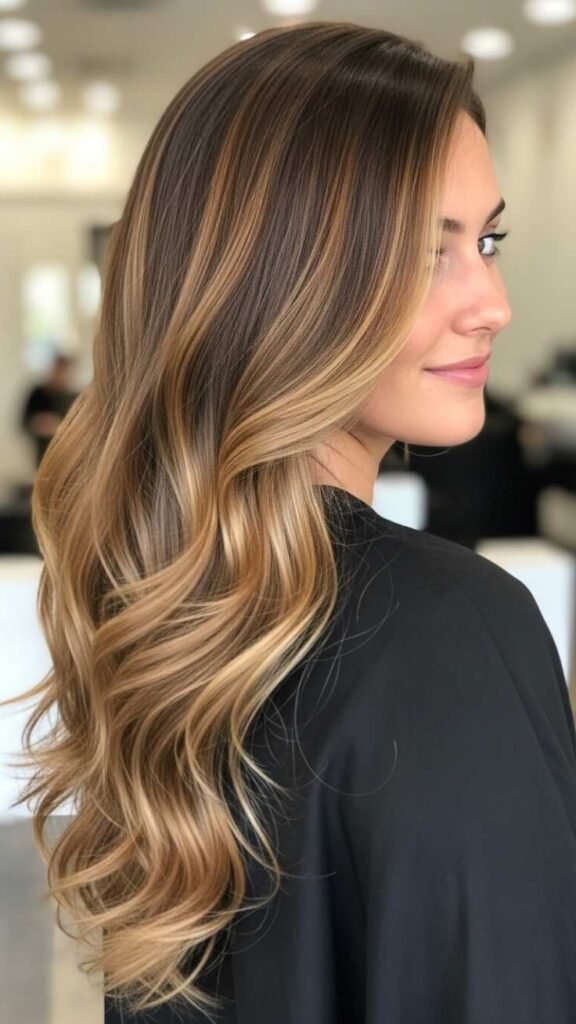
This is arguably 2026’s most universally flattering balayage style. Toasted caramel balayage on brunette hair sits at the perfect intersection of warmth and wearability. It enriches natural brown tones without overpowering them, adds extraordinary radiance to medium-depth complexions, and photographs beautifully in virtually every lighting condition. The technique involves painting warm caramel tones onto the mid-lengths and ends of dark brown hair, leaving the root area largely natural or just slightly warmed. The result is effortlessly dimensional, deeply flattering, and remarkably easy to maintain. This style suits almost every skin tone but is particularly magical on olive and warm beige complexions where the golden undertones of the caramel echo and amplify the skin’s natural warmth.
Buttery Blonde Balayage
For natural blondes and light brunettes, buttery blonde balayage is the definitive 2026 update. This shade exists in a gorgeous warm middle ground between platinum and golden blonde — it has none of the brassiness that warm blondes sometimes develop, and none of the harshness that can make very pale blondes look stark. Buttery blonde works by adding creamy, soft highlights that are only slightly lighter than the natural base, creating a rich and dimensional blonde that looks healthy, intentional, and luminously natural. On the face, it is extraordinarily flattering — it softens features, brightens the complexion, and looks absolutely stunning in natural light. Fine hair benefits especially from this technique because the dimensional toning creates the optical illusion of volume and thickness.
Copper and Terracotta Balayage
One of the boldest and most visually striking balayage styles of 2026 involves the infusion of copper and terracotta tones into darker bases. This look is having an undeniable cultural moment. It has appeared on major runways from Milan to Seoul, been championed by a wave of celebrity colorists, and is generating extraordinary engagement across beauty platforms. Copper balayage can range from a subtle burnished warmth woven through deep auburn hair, all the way to a vivid statement look with rich, saturated terracotta tones flooding the mid-lengths of near-black hair. The key to making this trend wearable is balance — the depth of the root should anchor the brightness of the copper, preventing the look from feeling costume-like or unnatural. Warm and neutral skin tones wear this shade most convincingly, though a skilled colorist can adapt it for cooler complexions by shifting the copper toward a more subdued, muted brick tone.
Ashy Blonde and Cool Toffee Balayage
For those who lean toward cooler and more understated palettes, ashy blonde balayage remains exquisitely relevant in 2026 but with an important update. Pure, stark ash tones have given way to something warmer and more nuanced: the cool toffee balayage. This hybrid shade layers soft ashy blonde tones over a warm mid-length base, creating a look that feels neither too warm nor too cool, but perfectly balanced and incredibly sophisticated. It is particularly stunning on naturally medium-to-dark blonde hair and reads as inherently chic the kind of color that looks like it was achieved with zero effort even though it requires considerable technical skill to execute properly.
Chocolate Cherry Balayage
Dark hair lovers have one of the most exciting trends of the year to look forward to. Chocolate cherry balayage builds on a near-black or deep espresso base and introduces rich, wine-tinted red and burgundy tones through the mid-lengths and ends. The result is not a red head by any traditional definition the base remains clearly dark, and the cherry tones emerge as a dimensional warmth that is most visible in direct sunlight or strong indoor light. In softer lighting, the hair reads as a beautiful, deep brown with a mysterious inner glow. This is a highly editorial look that has crossed over into everyday wearability, particularly for autumn and winter.
Seasonal Colors and Combinations for Every Mood
One of the most strategic aspects of balayage is the alignment of your chosen palette with the season in which you are wearing it. Color does not exist in isolation it interacts with natural light, wardrobe choices, seasonal makeup palettes, and even the way we carry ourselves throughout the year. The best colorists understand this implicitly and factor seasonal light quality, ambient warmth, and personal lifestyle into every color consultation.
For spring 2026, the predominant palette is rooted in warmth and freshness. Think honey-kissed brunettes, sun-faded caramel blondes, and the very first flush of copper through naturally warm bases. Spring balayage should feel like emergence colors that look like the hair has been catching the first long days of sunshine, light and warm and full of potential. Golden honey tones look exceptional against the soft, clear light of spring mornings, and the season’s abundant greenery makes warm amber and toffee shades look even richer by contrast.
Summer 2026 takes warmth to its full expression. This is the season for buttery blondes at their lightest, for copper that practically glows, for sun-bleached tips and deep chocolatey roots creating maximum contrast. Summer hair should look like it has been kissed by the sun repeatedly and lovingly. The season’s strong direct light rewards high-contrast balayage the drama of deep espresso roots against honey-blonde lengths is extraordinary in summer sunlight. Beach waves are the natural companion to summer balayage, allowing the painted color to separate and shift with movement in ways that are genuinely spectacular.
As the year pivots into autumn 2026, the color story deepens and richens considerably. This is the season that arguably offers the most exciting canvas for balayage artistry. Autumn palettes are inherently layered and complex amber over sienna over mahogany, the light lower and more golden, warmth feeling earned rather than effortless. Autumn 2026’s most coveted combinations include deep chocolate bases warmed with chestnut and auburn mid-lengths, spiced toffee tones woven through dark honey bases, and a rich cinnamon gloss applied over existing balayage to deepen and enrich without fully covering the underlying dimension.
Winter 2026 brings its own particular magic. While the instinct might be to go darker in winter, the most sophisticated winter balayage leans into contrast rather than simply deepening. Icy champagne tips against deep brunette roots look extraordinary in winter’s diffuse, silvery light. Warm caramel tones that might read as subtle in summer become jewel-like when set against a winter wardrobe. The season’s trend toward statement coats and luxurious knitwear provides the perfect backdrop for deeply dimensional color that rewards close inspection.
Step by Step Guide to Getting Perfect Balayage in 2026
The journey to perfect balayage begins long before you sit in the salon chair. Preparation, communication, and a clear understanding of the process will dramatically improve your results and help you build a productive, long-term relationship with your colorist.
Research and Reference Gathering:
Begin by curating a small collection of reference images that genuinely represent the color direction you are drawn to. The most useful references combine at least one example of the overall look you want with close-up images of the root area, mid-lengths, and ends separately. This gives your colorist specific, technical information rather than forcing them to interpret a single full-look image. When gathering references, pay particular attention to how the color behaves in different lighting — a color that photographs beautifully in bright afternoon sun might look completely different under indoor lighting.
The Consultation:
A thorough consultation is non-negotiable with a skilled colorist. Come prepared to discuss your natural base color, your previous color history including any box dye, your maintenance willingness and budget, your lifestyle, and your timeline. Do not be put off if your colorist tells you that your dream result will take multiple sessions — this is professional honesty, not a sales tactic, and rushing the process is the fastest path to disappointment.
The Color Application:
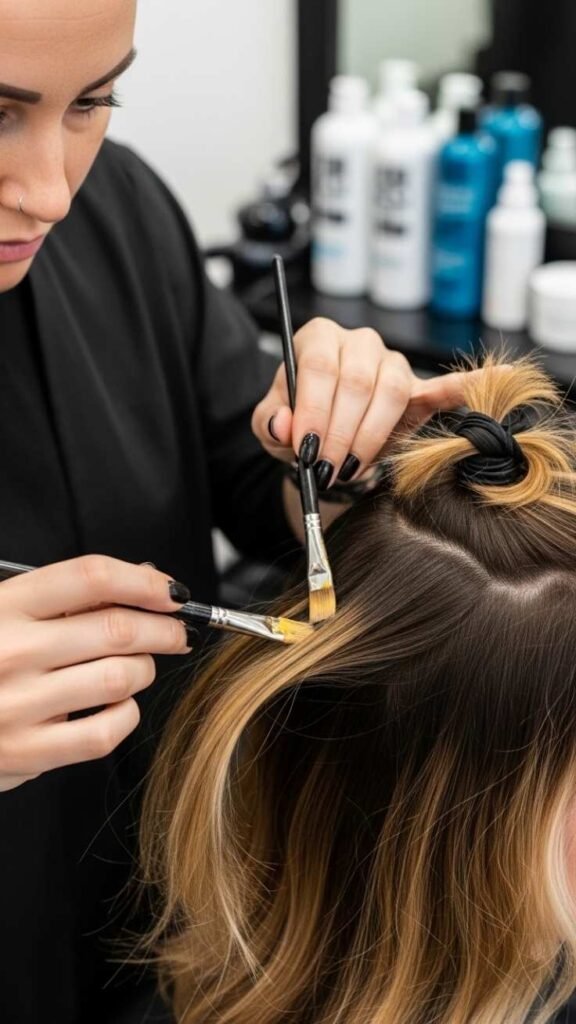
During the balayage application itself, your colorist will section the hair and work through it systematically, painting lightener onto sections using a sweeping, hand-painted motion that leaves the root area darker. In 2026, many colorists are also incorporating toning layers directly within the balayage process — applying a toner to different sections of the hair before rinsing the lightener, which allows for extraordinary tonal complexity without a separate processing step.
The Toning Session:
After lightening, toning is what transforms a technically correct balayage into a genuinely beautiful one. Toner neutralizes unwanted brassiness, adds specific depth or coolness, and unifies the multiple tones created during lightening into a coherent, intentional result. Do not skip this step, and do not rush it — the toning session is where a great colorist’s true artistry is revealed.
Immediate Aftercare:
For the first 72 hours after your balayage appointment, avoid washing your hair if possible. The color is still settling and washing too soon can cause premature fading and tonal shifting. When you do wash, use lukewarm water and invest in a sulfate-free, color-safe shampoo and a nourishing mask.
Styling Ideas for Different Occasions
One of balayage’s most compelling practical advantages is its extraordinary versatility across social contexts. The same balayage result can read entirely differently depending on how you style it making it equally appropriate for a casual brunch, a boardroom presentation, a beach wedding, or an evening gala.
For everyday wear, the air-dried wave is balayage’s best friend. When hair dries naturally with a bit of texture spray or a light curl cream worked through the mid-lengths, balayage color separates beautifully, showing off every dimension and tonal shift that your colorist painted in. This is the look that makes people stop you on the street and ask what your color is.
For professional and office settings, a sleek blowout or a polished low bun brings out a completely different side of your balayage. The color becomes a sophisticated accent rather than a statement feature visible in the shine of a well-blown-out style, or peeking through the layers of a French twist with quiet elegance.
For weddings and formal events, loose romantic waves remain the undisputed champion of balayage styling. Whether you wear it down or arrange it into a soft updo with face-framing tendrils, balayage hair catches event lighting especially warm golden candlelight or fairy lights in a way that makes it look almost ethereal. The dimensional quality of balayage means that as you move, the color moves with you, creating a luminous, dynamic effect that no single-process color can replicate.
For beach and festival settings, effortless texture is everything. Balayage was practically designed for this context the combination of natural movement, salt spray, and bright outdoor light is the environment in which balayage color performs at its very best. A touch of sea salt spray, some finger-combing, and the sun will do the rest.
Read More About: Classy Outfit Ideas 2026 The Ultimate Guide to Chic Style That Never Goes Out of Fashion
Celebrity and Social Media Trends
Celebrity influence on hair color trends remains undeniable, but the nature of that influence has shifted considerably in 2026. Rather than single celebrity looks going viral and being replicated in salons worldwide, the current trend cycle is more democratic and more nuanced. Influencers, editorial stylists, and even everyday social media users with a strong aesthetic point of view are all contributing to the broader trend conversation simultaneously.
That said, several celebrities have made significant impact on the balayage conversation this year. The resurgence of warm caramel tones has been accelerated by a wave of A-list brunettes embracing richer, more dimensional versions of their natural color moving away from the cool-toned highlights that dominated celebrity looks for much of the early 2020s. The red carpet in 2026 has been full of glossy, multi-tonal brunettes with caramel and honey balayage that looks natural enough to be real but too perfect to actually be unassisted.
On social media, TikTok’s hair community has been particularly influential in spreading 2026’s most talked-about balayage variations. The “colour melt” technique where multiple tones transition seamlessly into each other with absolutely no visible line of demarcation has amassed hundreds of millions of views in various forms, inspiring a generation of clients to seek out colorists who specialize in this seamless, painterly approach. Instagram continues to be the platform where editorial balayage looks thrive high-contrast, dramatic, and visually stunning while TikTok favors more relatable, wearable everyday looks that real people can actually achieve.
Pinterest trend data for 2026 shows that searches for “dimensional brunette balayage,” “warm honey highlights,” and “soft copper balayage” are all up significantly year over year, suggesting that the warm tone resurgence is not a passing moment but a sustained shift in the aesthetic direction of hair color culture.
Do’s and Don’ts of Balayage in 2026
What You Should Always Do:
Always invest in a proper consultation before your first balayage appointment. A consultation is not a luxury it is essential information-gathering that protects both you and your colorist. Going into an appointment without discussing your hair history, your expectations, and your maintenance commitment is how disappointing results happen. A good colorist will ask you many questions during a consultation, and a great colorist will also ask things you did not expect, like what your natural hair looked like before any previous coloring.
Always be honest about your hair history. If you have used box dye in the past, tell your colorist. If you have had a keratin treatment, mention it. If you have been using a heavy conditioning treatment that contains protein, your colorist needs to know. This information directly affects how the hair will respond to the lightening process and prevents unexpected results.
Always use sulfate-free, color-safe shampoo and conditioner after your balayage appointment. This is not just a recommendation it is genuinely the single most impactful thing you can do at home to preserve your color investment. Sulfates are harsh detergents that strip color molecules from the hair shaft and accelerate fading significantly.
Always apply a heat protectant before using any hot styling tools. Colored and lightened hair is more vulnerable to heat damage than virgin hair, and protecting it with a high-quality thermal spray every single time you reach for a blow dryer or curling iron will make an enormous difference to the longevity of your color and the overall health of your hair.
What You Should Never Do:
Never rush the balayage process or pressure your colorist to achieve your entire desired result in a single session. Balayage, particularly when lightening very dark hair significantly, is a gradual process that requires multiple appointments spaced appropriately apart. Trying to achieve too much in one session can result in uneven lifting, breakage, and a result that looks nothing like the soft, dimensional look you wanted.
Never wash your hair in very hot water after a color service. Hot water opens the hair cuticle and allows color molecules to escape, causing rapid fading. Washing in cool or lukewarm water keeps the cuticle closed and the color locked in for significantly longer.
Never skip your regular toning appointments. As balayage fades between sessions, the lightened areas can develop unwanted brassiness particularly in natural brunettes where the underlying pigment is warm. Regular toning appointments, whether at the salon or at home with a quality purple or blue-toned toning mask, are what keep your balayage looking intentional rather than simply grown out.
Common Mistakes to Avoid
One of the most common mistakes clients make is choosing their balayage reference photos without considering their natural base color. A look that is achievable on naturally light brown hair in two sessions may require five sessions and significant expense to replicate on near-black hair. Always discuss the realistic pathway to your desired result with your colorist, including how many sessions it will require, approximately what each session will cost, and what your hair will look like at each intermediate stage.
Another frequent mistake is neglecting the health of the hair before beginning a lightening journey. Hair that is already damaged, dry, or brittle before balayage will respond poorly to the lightening process, and the result will look and feel significantly worse than the same technique applied to healthy hair. If your hair is in poor condition, invest in a serious strengthening and moisture treatment program for several weeks before your first color appointment. Your colorist may also apply a bond-building treatment such as Olaplex during the lightening process, which dramatically reduces the structural damage associated with bleaching.
Many clients also make the mistake of attempting to recreate salon balayage at home using box color kits. Home balayage kits are a genuinely poor substitute for professional work the sweeping, freehand technique that makes balayage so natural-looking is an acquired skill that takes professional colorists years to master, and the lightening products available in retail formulations are significantly less controllable than professional-grade products. The result of at-home balayage attempts is almost always patchy, uneven lifting that requires a professional correction appointment, which invariably costs more than the original professional service would have.
Budget Friendly Balayage Ideas
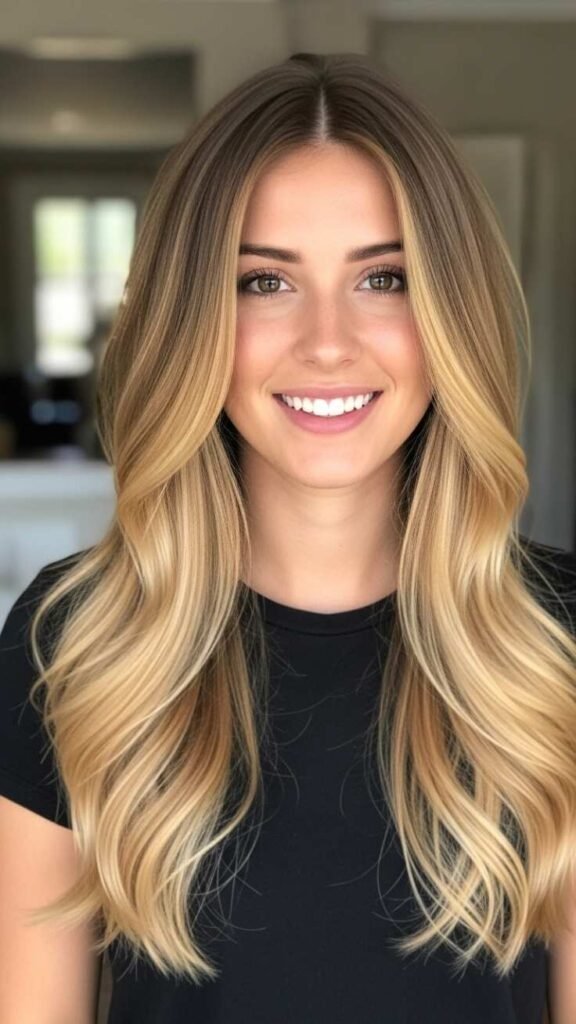
Professional balayage is undeniably an investment, but there are several very effective strategies for achieving beautiful dimensional color results without breaking the bank. The first and most practical approach is to choose a low-contrast balayage style that does not require significant lightening. If you are a natural medium or light brunette, for example, asking your colorist to warm your existing color slightly with a few strategically placed caramel tones requires far less processing time and product than a high-contrast, heavily lightened result. The difference in price can be substantial while the visual impact remains genuinely beautiful.
Another budget-conscious approach is to extend the time between salon visits by choosing a balayage style specifically designed to grow out gracefully. The lived-in color trend is perfectly aligned with this approach — because the roots are intentionally left darker and the overall style is designed to look natural at every stage of growth, you can comfortably go four to six months between appointments without your color looking neglected or grown out. Compared to traditional highlights, which typically require touch-ups every six to eight weeks, this represents a significant saving over the course of a year.
Toning can also be maintained at home between salon appointments using quality toning masks available from professional hair care brands. A good purple toning mask used once or twice a week will neutralize brassiness in blonde balayage, while a glossing treatment used on brunette balayage can refresh and deepen the color between sessions. These at-home products are far less expensive than salon toning appointments and, used consistently, can genuinely extend the life of a professional color result.
Premium and Luxury Balayage Ideas
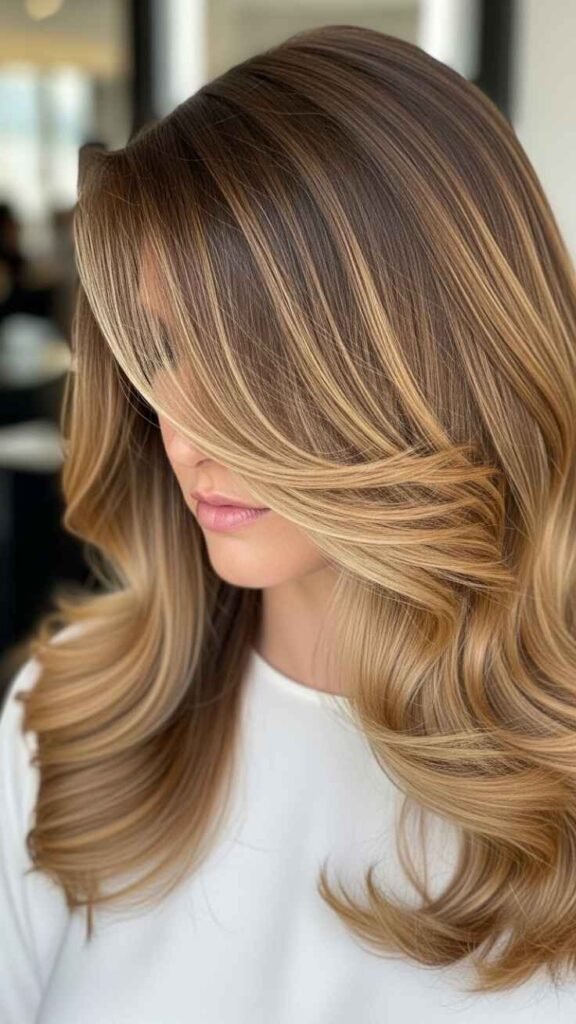
For those willing to invest in the highest level of balayage artistry, 2026 offers some genuinely extraordinary experiences. At the very top end of the market, a growing number of specialist colorists are offering what might be described as architectural color a process that begins with an in-depth consultation and hair analysis, often spanning an entire separate appointment, before a multi-session color process that may take an entire day in the salon chair. The results are astonishing: hair that looks as though it was lit from within, with tonal complexity that shifts and changes in different lights and different environments in ways that feel almost alive.
Luxury balayage in 2026 also frequently incorporates bond-building and restructuring treatments woven throughout the color process. Products like Olaplex, K18, and Fibre Clinix are being integrated into lightening formulas, applied between lightening and toning stages, and used as finishing treatments to ensure that even very heavily lightened hair comes out of the salon in genuinely excellent condition soft, elastic, shiny, and strong. This is a significant investment but one that pays dividends in the health and longevity of both your color and your hair overall.
At the most exclusive salons, clients can also access bespoke toning formulas colorists who mix completely custom toners specifically for your hair, your skin tone, and the particular quality of light in your lifestyle. This level of personalization is impossible to replicate with pre-mixed formulas and is one of the genuine differentiators between excellent and extraordinary balayage results.
How to Maintain and Care for Balayage Hair
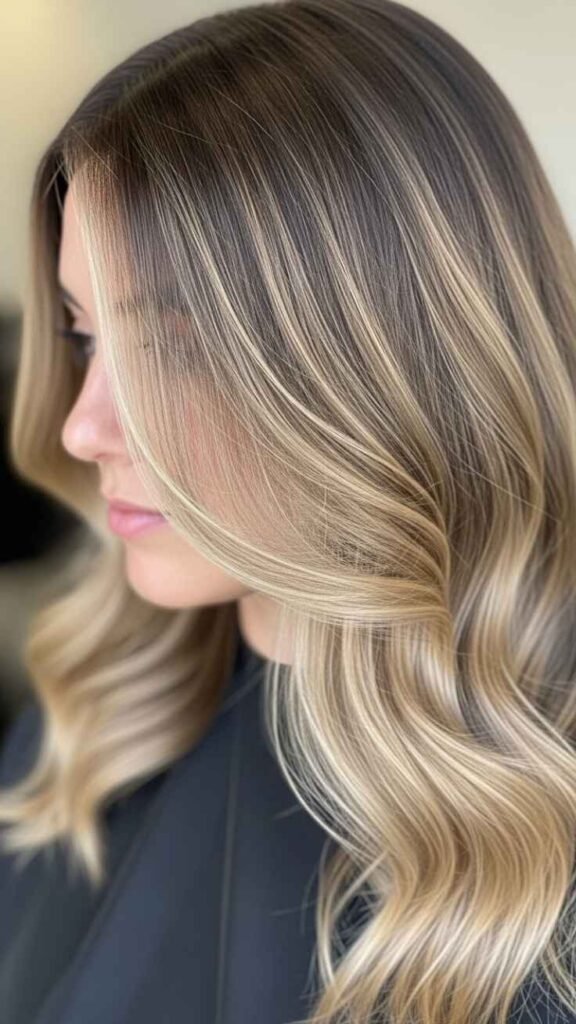
Maintenance is where most balayage journeys either flourish or falter. Beautiful color can fade, shift, or lose its vibrancy quickly without the right care routine, but with a consistent and thoughtful approach, a quality balayage result can look stunning for months between salon visits.
The foundation of any balayage maintenance routine is a high-quality, sulfate-free shampoo and conditioner system designed specifically for color-treated hair. This is non-negotiable. Sulfate-based shampoos, no matter how luxurious they feel or how attractive their packaging, are actively detrimental to color-treated hair. They strip color molecules with every wash, dull the shine that makes balayage so beautiful, and accelerate the development of brassiness in lightened tones. The switch to a sulfate-free system is the single highest-impact change you can make to your at-home hair care routine.
Deep conditioning is equally critical. Lightened hair is structurally more porous than virgin hair, which means it loses moisture more readily and is more susceptible to environmental damage. A weekly or biweekly deep conditioning mask ideally one formulated for colored or bleached hair replenishes moisture, smooths the cuticle, and restores the shine and elasticity that make healthy balayage look so vibrant. Do not skip this step even when your hair feels relatively healthy prevention is always more effective and less expensive than correction.
Heat styling should be minimized where possible and always preceded by a quality heat protectant when unavoidable. UV protection is also worth considering the same UV rays that fade your clothing and your skin’s surface also fade hair color. A UV-protecting leave-in spray or hair sunscreen applied before spending time outdoors can meaningfully extend the life of your color and prevent unwanted tonal shifts.
Comparison Table
| Style | Best Base Color | Skin Tone | Maintenance Level | Season | Grow-Out |
| Toasted Caramel Brunette | Medium to Dark Brown | Warm, Olive | Low | Year-Round | Very Natural |
| Buttery Blonde | Light Brown to Blonde | Neutral, Cool | Medium | Spring / Summer | Graceful |
| Copper Terracotta | Dark Brown to Black | Warm, Neutral | Medium-High | Autumn / Winter | Bold |
| Cool Toffee Ash | Medium Blonde | Cool, Neutral | Medium | Winter / Spring | Elegant |
| Chocolate Cherry | Near-Black | All Skin Tones | Low | Autumn / Winter | Very Natural |
| Money Piece | Any Base | All Skin Tones | Low-Medium | Year-Round | Soft and Natural |
Expert Tips and Pro Hacks
The most important professional insight any colorist will share is this: the health of your hair always comes before the boldness of your color. No matter how beautiful a reference image looks, if your hair is not in condition to support the lightening required to achieve that result, the attempt will damage your hair and disappoint you. Build the health of your hair first, then pursue the color.
When choosing a colorist, do not simply look at their Instagram portfolio. Look at photos of their clients taken in different lighting conditions, with different hair textures, and at different stages of the grow-out process. A colorist who only shows freshly styled, salon-lit results is showing you their best case. A colorist who confidently shows how their work looks at eight weeks, fourteen weeks, and six months after the appointment is showing you genuine craft.
Always ask for a gloss treatment at the end of your balayage appointment. A clear or tinted gloss seals the cuticle, intensifies the shine, and adds a final layer of dimension to the color result. Many salons include this as standard, but it is worth asking specifically the difference between a balayaged result with and without a finishing gloss is remarkable.
For at-home toning between appointments, apply your toning mask to dry hair rather than wet hair. Dry hair is more porous and will absorb the toning pigment more effectively and more evenly, giving you a more consistent result in a shorter time. Leave it on for no more than ten minutes for a subtle refresh or up to twenty minutes for a more significant tonal correction.
Read More About: Trendy First Date Outfits 2026 The Ultimate Date Night Style Guide
Trend Forecast for 2027
Looking ahead, the signals from fashion week colorists, editorial beauty directors, and leading salon trend reports all point toward a continued deepening and richening of the balayage palette into 2027. The warm tone resurgence of 2026 will likely evolve into an even more complex and dimensional color landscape expect to see more jewel-toned brunettes with deep burgundy and plum undertones, more sophisticated integration of red family tones into otherwise natural-looking color, and a growing interest in what some industry insiders are already calling “invisible color” balayage so perfectly executed and so harmoniously aligned with the natural base that it appears completely uncolored until the light hits it at just the right angle.
The technology supporting color services is also evolving rapidly. By 2027, we expect to see more widespread adoption of AI-assisted color consultations that can model how a particular shade will look on your specific skin tone and hair texture before any color is applied. Bond-building technology will continue to advance, making it possible to achieve more dramatic lightening results with less structural damage than previously thought possible. And the ongoing trend toward sustainability in the beauty industry will accelerate the development of low-chemical, low-ammonia, and organic-derived color formulas that deliver professional results with a significantly reduced environmental footprint.
FAQs
How long does balayage last and how often should I get it redone?
Balayage is one of the longest-lasting hair color techniques available precisely because of its gradual, root-to-tip gradient there is no obvious regrowth line that signals it is time for a touch-up. Most clients return every three to five months for a refresh, though clients who choose very low-contrast, lived-in styles can comfortably go six months or more. The first sign that your balayage needs refreshing is usually the development of brassiness in the lightened areas, which can be managed at home with a toning mask between salon visits.
Can balayage work on very dark or black hair?
Yes, absolutely but it requires patience, skill, and realistic expectations. Very dark hair contains significant underlying warm pigment that is exposed during the lightening process, and lifting dark hair to the blonde tones often seen in balayage reference photos requires multiple sessions. A skilled colorist will work gradually, often beginning with a more subtle warm tone in the first session and progressively lightening over subsequent appointments. Rushing the process on dark hair is how damage and uneven results happen.
What is the difference between balayage and highlights?
Traditional highlights use foil to wrap sections of hair during lightening, which creates a more uniform, even result with relatively consistent contrast throughout. Balayage is a freehand painting technique applied without foil, which allows the colorist to create a more organic, irregular pattern of lighter tones that mimics the way hair naturally lightens in sunlight. The result is softer, more dimensional, and typically more natural-looking. Balayage also tends to grow out more gracefully than traditional highlights because there is no defined root line.
Is balayage damaging to hair?
All lightening processes involve some degree of chemical change to the hair’s structure, and balayage is no exception. However, because balayage is painted onto specific sections rather than applied root to tip, the overall amount of lightener used is typically less than a full-head highlight service, which reduces the cumulative damage to the hair. The use of bond-building treatments like Olaplex during the coloring process further reduces structural damage. The most important factor in keeping balayaged hair healthy is a consistent, quality at-home care routine sulfate-free products, regular deep conditioning, and minimal heat styling.
How much does balayage cost in 2026?
The cost of balayage varies enormously depending on location, salon level, colorist experience, and the complexity of the desired result. At a mid-range salon in a major city, a balayage service typically ranges from 150 to 350 USD or the equivalent in other currencies. At a high-end or specialist salon with an experienced senior colorist, prices can range from 400 to 800 USD or more. The gap in price between a budget and a luxury balayage service reflects genuine differences in skill level, product quality, time investment, and the sophistication of the technique applied. For most people, balayage is worth investing in at the highest level you can comfortably afford.
Conclusion
Balayage in 2026 is more exciting, more personal, and more technically accomplished than at any previous point in its history. Whether you are drawn to the warm, sun-kissed glow of toasted caramel brunette, the luminous sophistication of buttery blonde, the bold statement of copper terracotta, or the understated elegance of cool toffee ash, there is a balayage style in 2026 that was made for you. The key is finding a colorist who understands your hair, your face, and your lifestyle someone who sees the reference images you bring as a starting point for a creative conversation rather than a blueprint to be copied mechanically.


