
Hair Color Trends 2026 Balayage The Definitive Guide to This Year’s Most Beautiful, Dimensional Color Techniques


Every few years, something shifts in the hair color world that is more than a trend it is a redefinition of what beautiful hair means. We are living through exactly that kind of shift right now. The hair color trends of 2026 are being shaped by a collective hunger for authenticity, for dimension, for hair that tells a story rather than simply announcing a color. And sitting at the absolute center of this movement, as it has for several years now but with greater sophistication and nuance than ever before, is balayage.
The word itself comes from the French verb meaning “to sweep,” and the technique hand-painting color onto sections of hair rather than applying it uniformly through foils or all-over formulas has been a staple of high-end salon work for decades. But what is happening with balayage in 2026 is genuinely different from what came before. Colorists have refined the artistry of placement to an extraordinary degree. The chemistry of the formulas has advanced dramatically. Bond-building technology has made it possible to achieve lighter, bolder, more complex results without the structural damage that previously defined ambitious color work. And the cultural conversation around hair has shifted in a direction that deeply favors everything balayage does best naturalism, individuality, and the kind of beauty that rewards close attention.
What makes balayage so powerful as a trend vehicle in 2026 is its radical versatility. It is not one look. It is a technique that can be deployed across virtually every hair color family blonde, brunette, auburn, black, and even vibrant fashion colors to create dimensional, sun-kissed, lived-in results that look specific to the individual rather than replicated from a template. The most exciting aspect of the 2026 balayage landscape is how diverse it is from barely-there sandy brightening on natural brunettes to dramatic copper transformations on dark hair, from soft platinum sweeps through medium blonde to rich caramel ribbons through chocolate brown, every iteration of balayage in 2026 shares the same essential quality of looking gloriously, convincingly real.
This guide covers it all the specific trends, the best shade ideas, the seasonal considerations, the celebrity influences, the expert advice, and everything in between. Whether you are sitting in a salon chair for the first time or refining an existing balayage result that has served you for years, what follows is the most comprehensive, authoritative resource on hair color trends and balayage in 2026 that you will find anywhere.
Read More About: Blonde Hair Colors 2026 The Complete Guide to Soft Balayage Trends and Sun Kissed Shades
Latest Trends in Hair Color Balayage for 2026
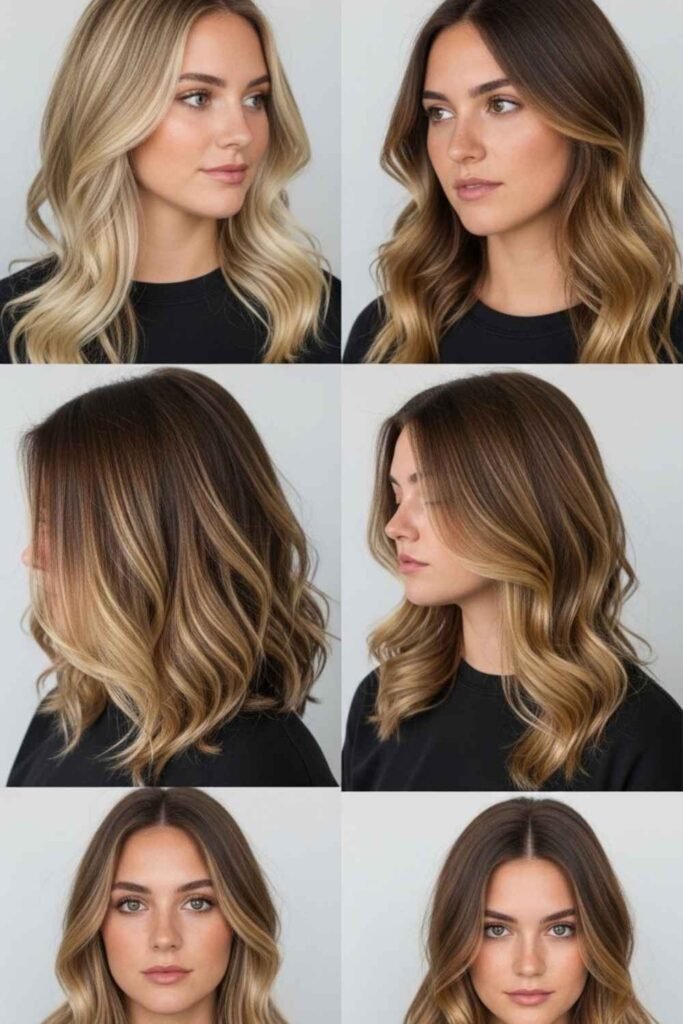
The balayage trend landscape in 2026 is defined by several powerful, interrelated directions each one a different expression of the same underlying philosophy but distinct enough in character to suit completely different personalities, complexions, and lifestyles. Understanding these trends requires looking not just at what colors are popular but at the values and aesthetics they embody.
The overarching trend governing all of 2026’s most significant balayage directions is what the professional color community has begun calling “intelligent naturalism.” This is the philosophy that the most beautiful hair color is the one that looks most convincingly like it could have occurred naturally but designed with such precision and artistry that it actually looks better than natural hair typically does. It is nature improved upon by expertise. Every major balayage trend this year flows from this philosophy the goal is not to look colored, but to look like the absolute best version of your own natural hair.
“Molten copper balayage” is one of the year’s most striking specific trends. This is a technique that takes dark brunette or even black hair as its starting point and sweeps through it with rich, warm copper tones that create a dramatic but entirely organic-feeling contrast. The copper is placed where sunlight would naturally fall on the hair the top layers, the sections around the face, and through the mid-lengths while the underneath and root areas retain the depth of the original dark color. The result is hair that seems to glow from within, with a warmth and intensity that genuinely commands attention without looking artificially produced.
“Chocolate caramel balayage” continues to dominate the brunette segment of the market in 2026, but with significantly more nuance and complexity than earlier iterations. This is not simply caramel highlights on brown hair. Modern chocolate caramel balayage involves multiple tones deep espresso at the root, medium milk chocolate through the mid-lengths, warm caramel and toffee in the upper layers, and soft honey or golden highlights concentrated around the face. The layering of these tones creates a dimensional effect that moves and shifts as the hair does, always catching light differently and never reading as flat or one-dimensional.
“Ashy balayage” represents the cooler end of the 2026 spectrum and has developed a significant and enthusiastic following among those who find warm tones too predictable or conventional. This direction takes the balayage technique and applies it with ash-toned lighteners and cool-leaning toners, creating transitions from dark neutral or cool brunette bases through silver-ash mid-tones to pale, almost white blonde at the tips. The overall aesthetic is deeply modern and editorial it has strong associations with high fashion and the quiet luxury aesthetic that has dominated style conversations in recent years.
“Glossy balayage” is a trend that speaks as much to technique as to color direction. It refers specifically to balayage results finished with a high-shine gloss treatment that seals the cuticle and creates an almost mirror-like reflective surface. The color underneath can be any of the year’s trending shades, but the gloss finish transforms the overall impression dramatically giving the hair a healthy, luminous quality that photographs spectacularly and looks genuinely professional in person. The combination of a well-executed balayage and a precision gloss is, many colorists argue, the defining hair beauty look of 2026.
Finally, “natural enhancement balayage” is a trend that deserves recognition for its subtlety and its growing mainstream appeal. This approach involves working with the client’s existing natural hair color whatever it may be and using balayage to simply amplify and enhance what is already there, rather than transforming it into something entirely different. For natural blondes, this means brightening and adding dimension without dramatically changing the base. For natural brunettes, it means adding warmth or depth selectively without an obvious color shift. For those with naturally red or auburn hair, it means intensifying and enriching the existing warmth and complexity. The result looks effortlessly beautiful precisely because it is working with nature rather than against it.
Best Balayage Hair Color Styles and Ideas for 2026
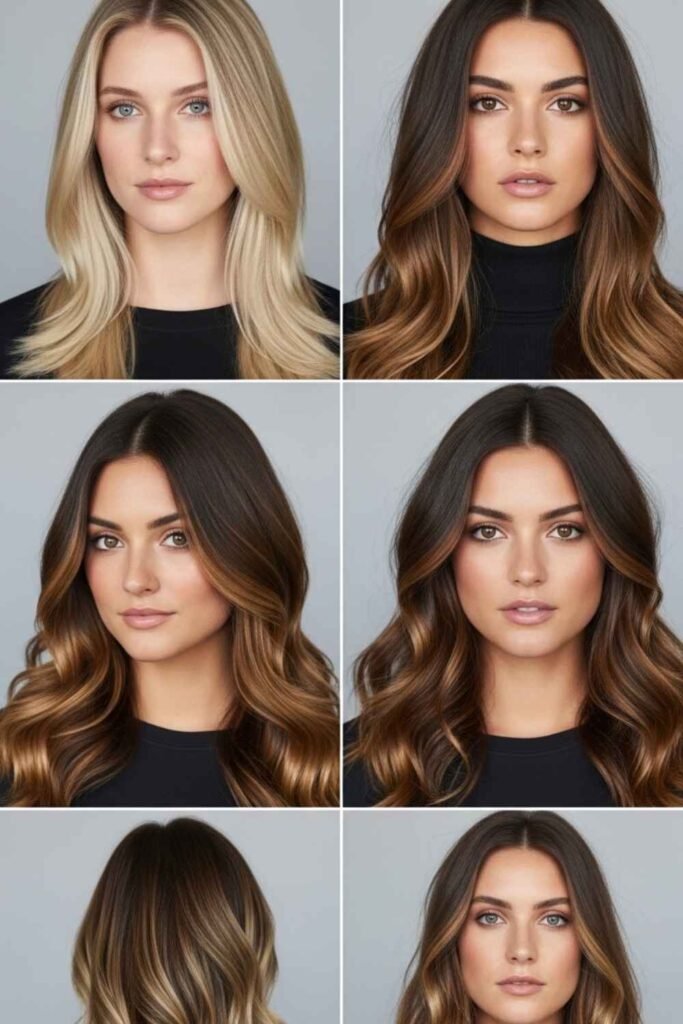
Copper Balayage on Dark Hair
Copper balayage on dark hair is one of the most visually spectacular applications of the technique and one of the most requested services in salons globally this year. The contrast between a rich, deep brunette or near-black base and the warm, luminous copper tones swept through it creates an extraordinary depth that seems almost three-dimensional. The key to making this look work is in the placement copper tones need to be concentrated where light naturally falls on the hair, creating a realistic sun-touched effect. Applied too evenly or too uniformly, copper balayage loses its organic quality. Applied with skilled, artistic hand-painting that respects the natural patterns of light and shadow on the hair, it is breathtaking.
This style suits virtually every skin tone but is particularly spectacular on women with warm, golden, or deep complexions, where the copper tones harmonize with the warmth already present in the skin and eyes. It works beautifully across hair lengths and textures, though it is particularly magnificent on long, wavy hair where the tonal variation has maximum space to express itself.
Bronde Balayage
Bronde the artful blending of brown and blonde tones into a seamless, impossible-to-categorize middle ground remains one of the most enduringly popular balayage aesthetics precisely because it is so universally flattering and so genuinely difficult to define. In 2026, bronde balayage has been updated with more complexity and more sophistication than earlier versions, featuring a deeper, richer brunette base with multi-tonal blonde sweeps that read differently in different light conditions occasionally as a dark blonde, occasionally as a light brown, always as something that looks effortlessly, expensively natural.
Bronde balayage suits an enormous range of women because it sits in the moderate-contrast, moderate-warmth zone that flatters most complexions without creating any of the potential risks associated with very warm or very cool color choices. It is also one of the most low-maintenance balayage options available, growing out seamlessly without creating an obvious root demarcation.
Platinum Balayage with Root Shadow
For those who want their balayage to make a genuine statement, platinum balayage with root shadow delivers impact without sacrificing the naturalism that defines 2026’s aesthetic. The technique uses very pale, cool-toned lightener to achieve near-white blonde sweeps through the mid-lengths and ends of the hair, while deliberately retaining and even emphasizing depth at the root. The root shadow a darker, naturally-toned section at the scalp provides the contrast and naturalism that prevents the platinum from reading as all-over bleach, and it is this contrast that gives the look its distinctive character.
This style suits those with fair to medium complexions and works particularly well with cool, blue, or green eyes. It requires careful ongoing toning to maintain the precision of the platinum tone and prevent the lighter sections from developing brassiness, but for those willing to invest in regular maintenance, it is one of the most striking and directional balayage looks available in 2026.
Caramel Balayage on Medium Brunette
Caramel balayage on medium brunette hair is perhaps the most classically beautiful application of the technique the one that best exemplifies what balayage was invented to achieve. A warm, medium-brown base provides the perfect canvas for hand-painted caramel and toffee tones that sweep through the upper layers and concentrate around the face, creating a radiant, sun-drenched effect that is immediately flattering and endlessly versatile.
This look suits women with warm to neutral skin undertones particularly well and works across a wide range of hair textures. It is styled most beautifully in loose, textured waves that allow the interplay of different tones to be seen clearly, and it grows out with extraordinary grace the absence of a hard root line means the color continues to look deliberate and intentional well into the grow-out phase.
Mushroom Brunette Balayage
The mushroom brunette direction in balayage represents 2026’s most sophisticated, most editorial brunette option. This technique takes a cool-toned, taupe-inflected brunette base and applies ashy, silvery highlights through it using balayage placement, creating a complexly dimensional result that sits somewhere between cool brown and warm grey. It is the hair color equivalent of a perfectly neutral wardrobe it goes with everything, suits almost everyone who chooses it with intention, and reads as deeply considered and stylish rather than simply fashionable.
Read More About: Brunette Hair Colors 2026 The Modern Woman’s Complete Guide
Seasonal Balayage Hair Colors and Combinations for 2026
Balayage’s relationship with the seasons is one of the technique’s most compelling qualities the hand-painted nature of the application makes it uniquely responsive to seasonal adjustment, allowing colorists to subtly shift the warmth, brightness, or depth of a balayage result to harmonize with the changing quality of natural light throughout the year.
Spring invites a freshening and brightening of existing balayage, particularly for those who have deepened or enriched their color over winter. Spring balayage in 2026 means adding lightness and warmth in equal measure softening any heaviness from winter color, brightening the face-framing sections, and introducing the kind of golden, honey warmth that reads as sunlit and alive. The fashion world’s spring palette soft pastels, fresh whites, and delicate florals is beautifully complemented by warm, brightened balayage that brings the same sense of renewal and optimism into the hair.
Summer demands maximum brightness and dimension. This is the season when balayage truly performs at its peak, partly because strong natural sunlight shows off dimensional color better than any other light source, and partly because summer styling loose waves, undone braids, effortless updos creates constant movement that reveals the interplay of tones in a balayage result. Summer balayage in 2026 leans toward the warmer, more luminous end of each shade family butter blonde, warm copper, bright caramel and is applied generously through the sections that are most visible and most sun-exposed.
Autumn is the season that suits the deepest, richest, and most complex balayage directions most naturally. As the landscape shifts to amber, rust, and sienna, hair that moves through similar tones feels entirely at home. Autumn balayage in 2026 means deepening and enriching adding lowlights to create more depth and contrast, introducing warmer undertones that align with the season’s color vocabulary, and leaning into the richness and complexity that autumn light rewards. Chocolate cherry balayage, auburn-kissed brunette, and copper-enriched dark balayage all find their spiritual home in autumn.
Winter balayage calls for precision, polish, and the most sophisticated tonal control. Cool, crisp winter light is unforgiving it shows every detail of a color result with clarity that summer’s forgiving warmth does not. This is the season for ashy balayage, for cool platinum, for mushroom brunette shades that feel refined and deliberate in winter’s blue-toned light. Winter is also the season for the most polished styling sleek blowouts, structured waves, and smooth, sophisticated styles that allow the color’s precision and depth to speak without distraction.
Step-by-Step Guide to Getting Your Best Balayage in 2026
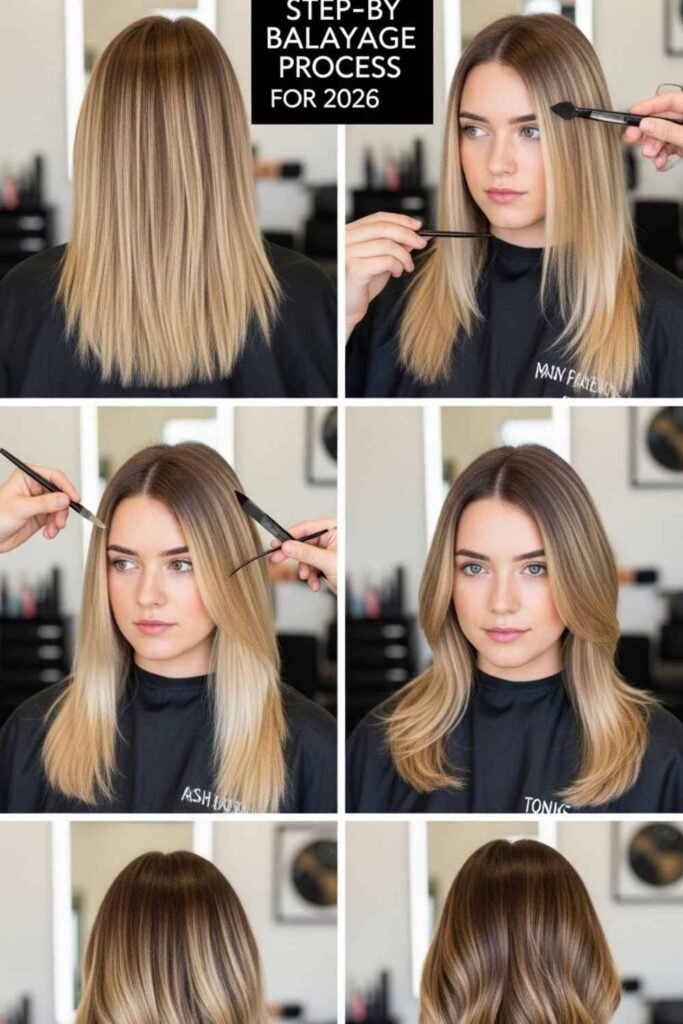
Getting balayage right in 2026 is as much about preparation and communication as it is about the technical execution in the salon. This step-by-step framework applies whether you are approaching your first balayage appointment or refining an existing result.
Begin at least two weeks before your appointment by assessing and improving the condition of your hair. Balayage performed on compromised, over-processed, or very dry hair produces inferior results the color develops unevenly on porous hair, fades faster, and lacks the luminous quality that characterizes truly beautiful balayage. Two weeks of intensive conditioning a protein mask once a week, daily use of a nourishing leave-in treatment, and a moratorium on unnecessary heat styling makes a measurable difference in how your hair responds to the color process.
The consultation is arguably the most important part of the entire process. Before your colorist picks up a brush, you should have had a thorough discussion covering your hair’s complete color history, your lifestyle and how much time you realistically want to spend on maintenance, your skin tone and which color temperatures are most flattering on you, and your specific vision for the result. Bring a minimum of three reference images showing different aspects of the result you want one for overall color tone, one for root depth, and one for the brightness and placement of the lighter sections. The more clearly you can communicate, the more likely the result will align with your expectations.
During the appointment itself, the balayage application will involve hand-painting lightener onto carefully selected sections of the hair, working from the mid-lengths down toward the ends and feathering the top of each painted section to create a seamless, gradient transition from the unpainted root area. Processing time varies depending on the starting color and the desired result lighter, more dramatic results require longer processing, sometimes with heat to accelerate the lift. After the lightener is processed and removed, a toning step will be applied to bring the lightened sections to the precise intended shade. This step is crucial and should never be rushed or skipped.
After your appointment, follow the 48-hour rule without exception no washing, no heat styling, no heavy exercise that causes significant sweating. This window allows the color chemistry to fully complete and the toner to stabilize within the hair fiber. After 48 hours, begin your maintenance routine using products specifically selected for your color result your colorist should provide specific recommendations rather than generic advice.
Plan your schedule for follow-up appointments at the time of your first service. Most soft balayage results benefit from a gloss or toning refresh every six to eight weeks and a full balayage update every twelve to twenty weeks depending on how quickly your hair grows and how much tonal shift you are comfortable with. Building this schedule into your diary before you leave the salon ensures you maintain the color at its best rather than waiting until it has deteriorated significantly.
Balayage Styling Ideas for Different Occasions
Balayage hair is an extraordinary styling canvas, primarily because the dimensional quality of the color creates visual interest regardless of what style you choose. The tonal variation in a well-executed balayage result means that even the simplest styling choice looks considered and beautiful.
For everyday casual wear, the natural companion to a balayage result is loose, slightly undone texture waves that have enough movement to show the interplay of different tones at every angle. A medium-to-large barrel curling wand used quickly and imprecisely, with sections finger-combed through afterward rather than brushed, creates this effect perfectly. The deliberate imprecision of the styling amplifies the natural, sun-kissed quality of the balayage and creates a look that reads as effortlessly beautiful. A small amount of lightweight texturizing spray and finishing oil complete the picture.
For professional and workplace settings, balayage transitions beautifully into polished, structured styles that retain their visual interest even without textured styling. A smooth blowout on balayage hair shows the dimensional quality of the color along the length of each strand, creating a glossy, sophisticated finish that works perfectly in office environments. A neat low ponytail, a structured half-up arrangement, or a polished French tuck all translate beautifully in professional contexts while showing off the color’s sophistication and depth.
For weddings and formal events, balayage provides one of the most romantic and versatile bases for elaborate styling. The dimensional quality of balayage adds visual complexity to any updo a soft low chignon becomes extraordinary when the interplay of different tones can be seen in its twists and folds. Braided styles on balayage hair show off the tonal variation with every weave, creating the impression of a color result far more complex and intentional than braiding on single-tone hair could ever suggest. Add gold or crystal accessories to warm balayage results, or pearl and silver to cooler, ashy balayage directions.
For festivals and creative occasions, balayage serves as a vibrant base for expressive, playful styling. Braids with metallic thread woven through, statement half-up styles with bold accessories, voluminous textured afros on balayage-treated natural hair all of these approaches benefit enormously from the dimensional quality of the underlying color. The warmth and movement of a balayage result adds energy and personality to even simple styling choices.
Celebrity and Social Media Balayage Trends in 2026
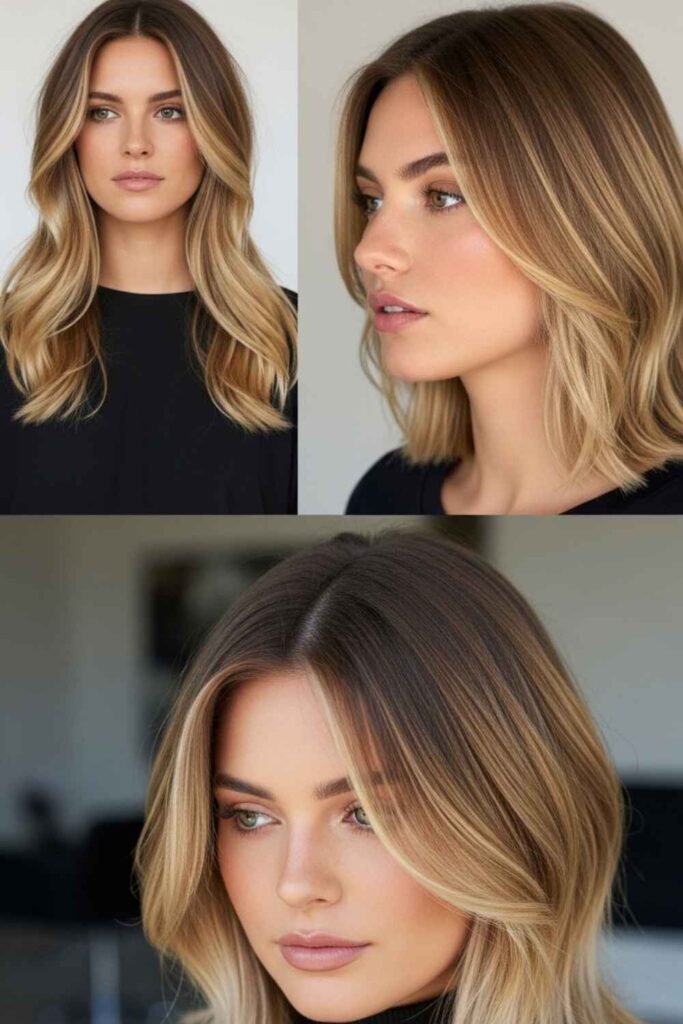
The celebrity world has driven balayage conversations in 2026 with particular enthusiasm, with several high-profile color moments establishing the year’s key aesthetic directions. Beyoncé set one of the year’s most discussed balayage moments early in 2026 with a stunning honey blonde balayage update that featured extraordinary depth at the root a rich, warm golden brown transitioning through multiple caramel and toffee tones into bright, buttery blonde at the ends. The result was celebrated for its dimension and naturalism, and it set a benchmark for warm balayage that colorists have been referencing in consultations ever since.
Priyanka Chopra made a significant statement in 2026 by debuting a rich copper balayage on her dark brunette base a choice that immediately resonated with women of South Asian heritage around the world who had perhaps felt that copper and warm balayage tones were not intended for darker hair. Her result demonstrated with clarity that warm balayage can be extraordinarily flattering on deeper skin tones when executed with the right shade and placement, and her choice has been instrumental in broadening the mainstream conversation about balayage inclusivity.
Margot Robbie continued in 2026 to be one of the most photographed and referenced blonde balayage icons in popular culture, her colorist consistently delivering results that are dimensional, soft, and utterly, convincingly natural. The specific version of butter blonde balayage she debuted early in the year with an unusually deep, toffee-toned root shadow and very delicate, almost transparent blonde sweeps through the mid-lengths has been one of the most requested reference images in salons worldwide throughout 2026.
On social media, the balayage conversation has been extraordinarily active across every major platform. TikTok’s #balayage hashtag has accumulated billions of views in 2026, driven by transformation content, colorist tutorials, and the incredibly satisfying before-and-after format that the technique’s dramatic results naturally lend themselves to. Instagram continues to be the primary platform for aspirational balayage content, with colorist accounts documenting their most impressive work in a way that simultaneously inspires clients and educates the wider beauty community. Pinterest boards devoted to balayage hair color trends 2026 consistently rank among the platform’s most-saved hair content, reflecting the sustained, deep appetite for this kind of visual inspiration.
YouTube has also played a significant educational role, with colorist creators producing increasingly detailed and technically sophisticated content about balayage technique. This transparency about process showing the actual application, processing, toning, and finishing steps in full has created a generation of clients who are significantly more educated about balayage than previous generations were, which in turn produces more productive salon consultations and better outcomes.
Do’s and Don’ts of Balayage Hair Color in 2026
Do invest in a consultation before committing to a significant balayage change. The most beautiful balayage results in 2026 emerge from a thorough, honest conversation between client and colorist one that covers the client’s hair history, lifestyle, maintenance capacity, and visual goals in detail. A colorist who is willing to spend real time in consultation before picking up a brush is almost always a colorist who will deliver a result you love.
Do embrace the grow-out. One of balayage’s defining advantages is its graceful grow-out pattern because there is no hard root line, the hair continues to look intentional and beautiful as it grows, often developing a more natural, more dimensional quality in the grow-out phase than it had immediately after the service. Trusting this process and resisting the impulse to touch up prematurely is both aesthetically sound and economically intelligent.
Do use bond-building treatments in conjunction with your balayage services. Olaplex, K18, Fibreplex, and similar bond-repair technologies dramatically reduce the structural damage associated with lightening and should be incorporated into your balayage process either by your colorist during the service or through regular at-home use of the retail products in each system. Hair that maintains its structural integrity holds color longer, styles more beautifully, and looks healthier throughout the life of the color.
Don’t go too light too fast. The most common source of balayage disappointment is attempting to achieve in one session what should realistically be a two or three-session journey. Very dark hair lifted to very bright blonde in a single appointment is a recipe for uneven, brassy color and significant structural damage. Working patiently toward a lighter goal over multiple carefully planned sessions produces dramatically better results and maintains the health and integrity of your hair throughout the process.
Don’t neglect toning. The toning step applied after lightening to bring the lifted sections to their precise intended shade is where the real artistry of balayage happens. Skipping toning, or using a product that is not precisely matched to your intended result, produces the brassy, orange, or muddy outcomes that give badly executed balayage its poor reputation. Always ensure your colorist includes a professional toning step, and always maintain your tone at home with appropriate color-depositing products between appointments.
Don’t compare your result to a photo without considering the differences in your starting points. Balayage results are profoundly dependent on the specific characteristics of the individual’s hair its natural base color, its texture, its history of previous color processing, and its porosity. A result that took a client with naturally light blonde hair one easy appointment may require four carefully planned sessions for someone starting from dark, previously box-dyed hair. Managing expectations intelligently and trusting the process your colorist recommends is essential.
Read More About: Ginger Hair Colors 2026 The Ultimate Guide to Fiery Flame Worthy Shades
Common Mistakes to Avoid with Balayage in 2026
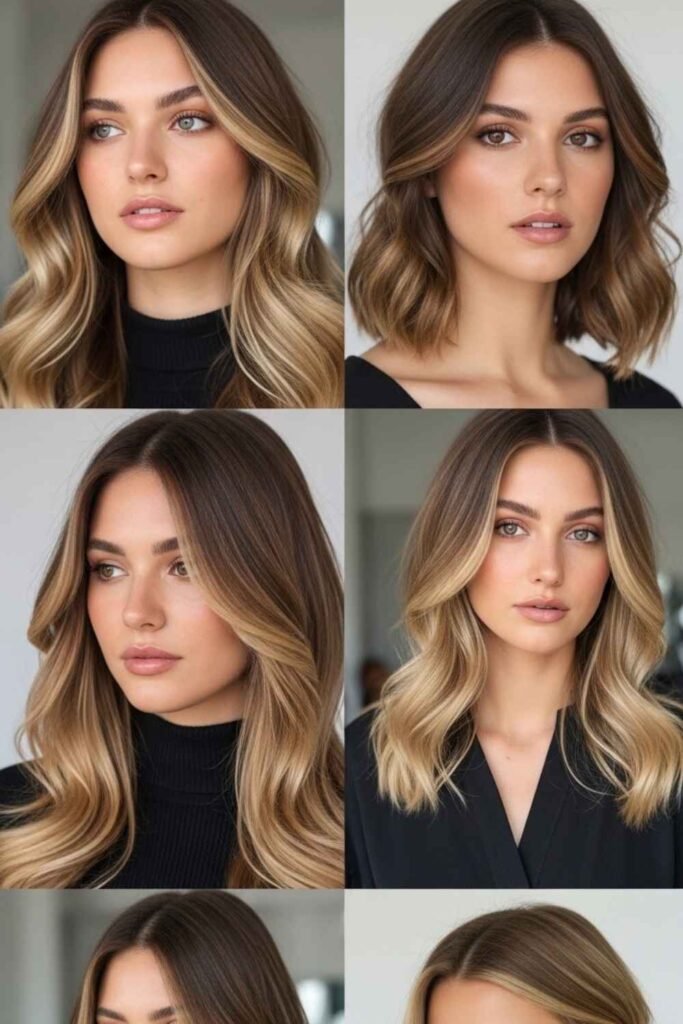
The most consequential mistake clients make in the balayage process is selecting a reference image without considering the starting point from which it was achieved. A stunning, seamless caramel balayage result on a woman with naturally medium brunette hair that has never been chemically processed is a very different technical challenge from attempting the same look on hair that has been box-dyed repeatedly in various shades over several years. The chemical history of the hair fundamentally affects how it will respond to lightening, and a result that looks achievable in a single appointment on virgin hair may require extensive corrective work before balayage can even begin on previously colored hair.
Choosing a colorist based on price rather than skill and portfolio is another extremely common and costly mistake. Balayage genuinely excellent balayage is a highly skilled technique that requires both artistic judgment and technical precision. Underpriced balayage services are underpriced for a reason, and the results often reflect exactly the level of investment that went into them. Research colorists thoroughly, examine their portfolios for balayage work specifically on hair types and base colors similar to yours, and treat the cost of a quality colorist as the investment it genuinely is.
Skipping aftercare is perhaps the most widespread mistake among those who have recently had balayage done. The first 72 hours after a balayage service are critical for the color’s longevity and tonal stability washing too soon, swimming in chlorinated water, excessive sweating, or tying the hair tightly during this window can all compromise the toner’s ability to fully set into the hair fiber, resulting in a color that shifts toward brassiness or unevenness much faster than it should. Following the aftercare instructions your colorist provides precisely and completely during this initial window protects your investment and maximizes the longevity of the result.
Attempting balayage correction at home when a result is not as expected is a mistake that consistently makes situations dramatically worse. If your professional balayage result is not what you hoped for, the correct course of action is to return to your colorist and communicate specifically about what you feel is not right too warm, too light, too dark, insufficient coverage, uneven distribution. Professional colorists want their clients to be happy and will almost always work with you to adjust the result. Applying at-home color or toner over a professional balayage result that you are unhappy with makes the subsequent professional correction significantly more complex and expensive.
Budget Friendly Balayage Ideas for 2026
Beautiful balayage does not require unlimited resources, and there are intelligent, accessible approaches to this color family that produce genuinely impressive results for those working within budget constraints. The most cost-effective starting point is to understand exactly what you need versus what would be nice to have and to prioritize accordingly.
A partial balayage service focusing the hand-painted color on the top layers, the crown, and the face-framing sections of the hair uses significantly less product and time than a full-head application while delivering the most visually impactful aspects of the look. For many women, a well-executed partial balayage is virtually indistinguishable from a full one in everyday wear, at meaningfully lower cost. If your budget requires a choice, prioritize the quality of the colorist over the comprehensiveness of the service a partial balayage from a genuinely skilled colorist will always look better than a full application from a less experienced one.
Color-depositing shampoos and conditioners designed for specific balayage shade families warm brunette, copper, blonde offer an affordable way to refresh and maintain the tonal quality of a professional balayage result between appointments, effectively extending the life of each salon service. Brands including Kérastase, Joico, and Celeb Luxury offer products in this category at accessible price points that deliver genuine results when used consistently.
Training salons associated with reputable professional academies offer a viable budget option for straightforward balayage services. These salons are staffed by students working toward professional qualification under the supervision of experienced educators, and they charge significantly less than commercial salons for the same technical services. The students are often more meticulous and careful in their application than experienced stylists working at speed, and for a first balayage appointment on a relatively simple base, a training salon can be an excellent choice.
Timing your appointments strategically is another budget consideration worth exploring. Many salons offer reduced pricing during quieter periods midweek appointments, early morning slots, or the period immediately following public holidays when demand drops. Building your balayage schedule around these quieter periods rather than always booking the most popular weekend slots can generate meaningful savings over the course of a year.
Premium and Luxury Balayage Experiences in 2026
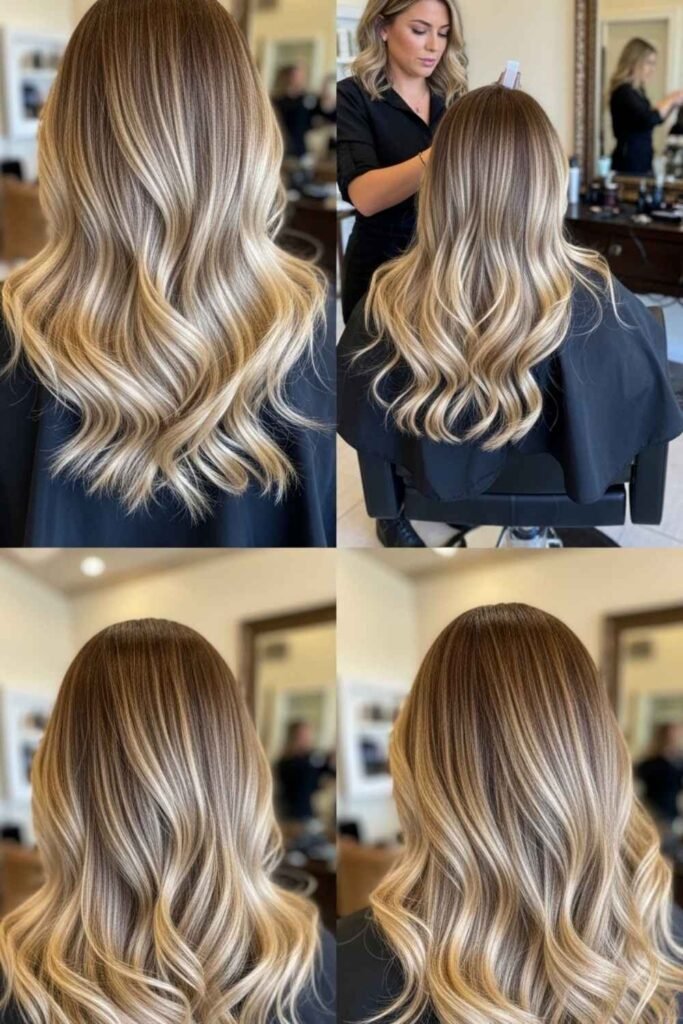
At the luxury end of the market, 2026 has produced some of the most technically impressive and personally curated balayage experiences in the technique’s history. Leading colorists in major fashion capitals are now offering what might best be described as “color architecture” sessions multi-hour appointments that begin with an extensive technical and personal consultation, include a full structural analysis of the hair using professional assessment tools, and result in a completely bespoke color map that has been designed uniquely for that individual client.
The integration of professional bond-building technology into the lightening process itself rather than as a separate treatment step represents one of the most significant technical advances in luxury balayage. By rebuilding broken disulfide bonds during the chemical process itself, these systems allow colorists to achieve lighter, more complex results without the structural compromise that lightening previously required. The hair that results from these hybrid processes is structurally superior to what the same hair could have been before, and it holds color more evenly, styles more beautifully, and maintains its health over a longer period.
Bespoke toner mixing creating a custom toning formula specifically for each client rather than selecting from a pre-existing professional range is a practice that originated in editorial color work and has now been adopted by leading luxury salons as a standard element of premium service. A toner designed specifically for your hair’s individual lightened pigment produces a result that is more precise, more harmonious, and more flattering than even the most carefully selected standard formula.
The full-day color experience combining a bespoke balayage application with a bond-building treatment, a luxury deep conditioning service, a professional styling session, and a personalized color maintenance consultation represents the most comprehensive and indulgent balayage offering available in 2026. These services are available at a small number of leading salons in major cities and represent a genuine investment, but for those celebrating a significant occasion or making a transformative color change, they deliver results and an experience that are incomparable.
How to Maintain and Care for Balayage Hair in 2026
Balayage is one of the lower-maintenance color techniques available in terms of grow-out management, but it absolutely requires consistent, intelligent product care to maintain the vibrancy, tone, and condition that make it look its most beautiful. Understanding what balayage hair needs and why is the foundation of an effective maintenance routine.
Washing frequency is the most impactful single variable in balayage maintenance. Every shampooing session strips a small but measurable amount of toning pigment from the lighter, more porous sections of balayage hair, causing the tone to shift gradually toward warmth or brassiness. Extending wash intervals from daily to every two or three days using dry shampoo at the roots on in-between days to maintain freshness makes a significant difference in how long the tone stays precise and how vibrant the overall color appears. For those who have always washed daily, this adjustment requires building new habits, but the improvement in color longevity makes it worthwhile.
Product selection must be deliberate and specific. The foundation of any balayage maintenance routine is a high-quality, sulfate-free, color-protecting shampoo used for regular washing. Layer over this a color-depositing conditioner matched to your balayage’s tonal direction purple or blue-toning for cool, ashy, or platinum balayage; golden or neutral-toning for warm, copper, or caramel results used once or twice weekly. Apply a deeply nourishing conditioning mask once a week to restore moisture and protein lost during the lightening process.
Heat protection is absolutely non-negotiable for balayage-treated hair. Lightened hair is inherently more porous and structurally vulnerable than unprocessed hair, and heat styling without an adequate thermal barrier accelerates cuticle damage, causes color to fade faster, and creates the dull, straw-like texture that is the antithesis of luminous balayage. Apply a professional-grade heat protectant spray to damp hair before blow-drying and to dry hair before any hot tool use, every single time without exception.
UV protection during sun-exposed months deserves specific attention in a balayage maintenance routine. While natural sunlight can create organic lightening that complements balayage beautifully, prolonged unprotected UV exposure causes tonal shifts pushing warm tones toward brassiness and cool tones toward warmth and structurally degrades the outer cuticle layer, causing dullness and eventually breakage. A UV-protectant hair mist or leave-in treatment used daily during summer months is a straightforward preventative investment.
Schedule professional gloss or toning appointments every six to eight weeks between full balayage services. As balayage hair oxidizes over time, the tone inevitably shifts, and regular professional toning adjustments keep it precisely where it should be. Many salons offer these as quick, affordable express appointments that take thirty minutes or less and make a dramatic difference in how fresh and intentional the color continues to look.
Comparison Table Balayage Hair Color Trends 2026 at a Glance
| Balayage Style | Base Color | Warmth Level | Season | Maintenance | Skin Tone | Longevity |
| Copper Balayage | Dark brunette/black | Very warm | Autumn/Winter | Medium-High | Warm/olive/deep | 8–10 weeks |
| Caramel Brunette Balayage | Medium brunette | Warm | Year-round | Low-Medium | Warm/neutral | 12–16 weeks |
| Butter Blonde Balayage | Light-medium blonde | Warm | Year-round | Low-Medium | All skin tones | 10–14 weeks |
| Ashy/Mushroom Balayage | Medium brunette | Cool | Autumn/Winter | Medium | Cool/neutral | 8–10 weeks |
| Platinum Balayage | Any (pre-lightened) | Very cool | Winter | Very High | Fair/deep | 6–8 weeks |
| Sandy Blonde Balayage | Light-medium blonde | Neutral-cool | Spring/Summer | Very Low | All skin tones | 14–18 weeks |
| Bronde Balayage | Medium brunette | Neutral-warm | Year-round | Low | All skin tones | 12–16 weeks |
| Chocolate Cherry Balayage | Dark brunette | Warm-red | Autumn/Winter | High | Medium/deep | 6–8 weeks |
Expert Tips and Pro Hacks for Perfect Balayage Results
The most impactful professional tip for anyone undergoing a balayage service is to arrive at the appointment with clean, completely product-free hair. Heavy conditioners, oils, silicone-based styling products, and dry shampoo residue all create a barrier between the lightener and the hair shaft, causing uneven lift and preventing the balayage from developing correctly. Wash your hair the night before your appointment using a clarifying shampoo, do not apply any products afterward, and arrive the next day with clean, air-dried hair.
For maximum toner longevity between appointments, apply your toning conditioner to dry hair rather than wet. Dry hair absorbs pigment significantly more intensely and evenly than wet hair, which tends to dilute the toning product and produce patchy, inconsistent results. Apply the conditioner section by section to completely dry hair, work it through with your fingers to ensure even coverage, leave for five to ten minutes, then wet your hair and rinse thoroughly. This single adjustment doubles the effectiveness of your at-home toning routine.
To extend the vibrancy of warm balayage tones copper, caramel, golden blonde try rinsing with a cool chamomile tea infusion after your final conditioner rinse. Brewed from two tea bags steeped for ten minutes and cooled completely, chamomile tea contains naturally occurring golden pigments that subtly enhance and brighten warm tones in the hair, add a soft natural shine, and are gentle enough for even frequent use. It is an old professional trick that significantly outperforms its modest cost.
For the most polished, reflective finish on balayage hair, finish your blow-dry by sealing every section with a blast of the dryer’s cool air setting before moving to the next section. This contracts the cuticle and creates a smooth, flat surface that reflects light with maximum efficiency producing the kind of glossy, glass-like shine that makes balayage look professionally done even between salon visits.
Trend Forecast Where Balayage Hair Color Is Heading Beyond 2026
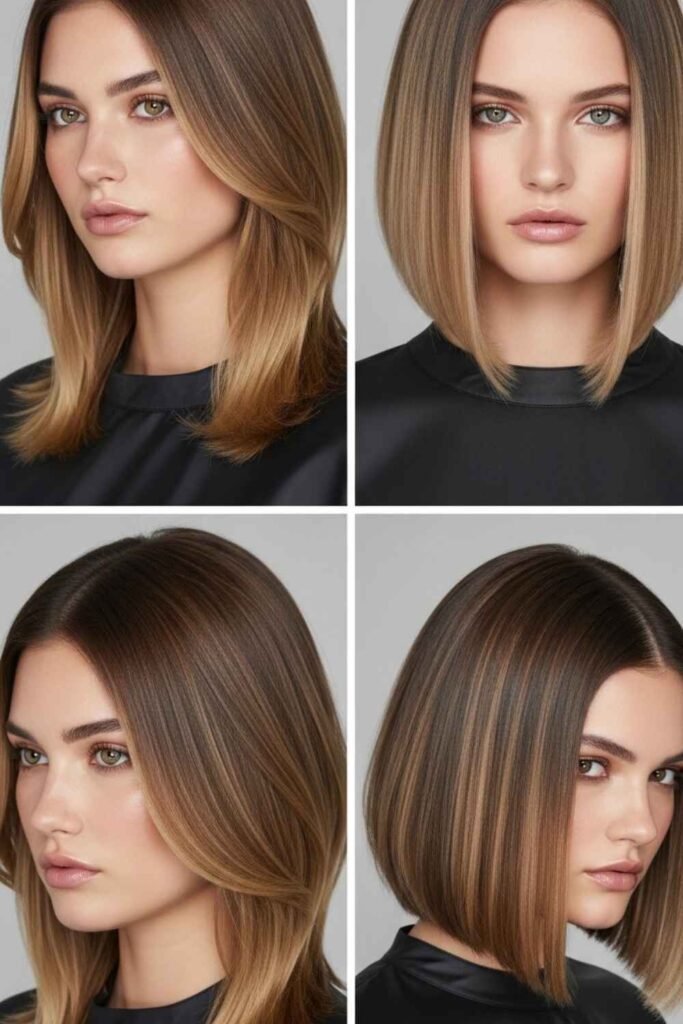
The trajectory of balayage as a technique and as a trend vehicle beyond 2026 points clearly toward even greater personalization, greater technical sophistication, and a continued deepening of the commitment to naturalism that defines the current moment. Several specific directions are visible in the early data of emerging trends that will shape the next phase of balayage’s evolution.
“Bespoke balayage mapping” a service that uses AI-assisted skin tone and pigment analysis to generate a completely individualized color placement plan before a single drop of lightener is applied is moving rapidly from concept toward commercial reality. Several leading salons are already piloting versions of this technology, and its mainstream adoption within the next two to three years seems highly likely. The result will be balayage that is more precisely calibrated to the individual than anything currently possible, producing results that look more naturally flattering and more personally specific.
“Cold process balayage” a technique that achieves lightening through lower-impact, lower-temperature chemical processes that take longer but cause significantly less structural damage is forecast to move from niche specialist use into broader professional practice. Driven by growing client demand for hair health alongside color results, and by the beauty industry’s increasing environmental consciousness, cold process balayage aligns with both of these powerful trend directions simultaneously.
The continued expansion of balayage into fashion and vivid color territory moving beyond the natural brown-to-blonde spectrum into emerald, violet, and deep jewel tone balayage is another direction with strong forecast momentum. As bond-building technology makes more adventurous color work safer, clients who might previously have been reluctant to explore vivid color are becoming more open to it, and colorists are developing balayage applications for fashion colors that create the same dimensional, natural-feeling quality in bold shades that has always characterized the technique in the natural color family.
FAQ’s
What is the most popular balayage style for 2026?
The most popular balayage style in 2026 is caramel and butter blonde balayage warm, dimensional, lived-in looks that emphasize naturalism and sun-kissed color with visible root depth. Closely behind are copper balayage on dark hair and ashy mushroom brunette balayage for those who prefer cooler, more editorial results. The common thread across all the year’s most popular balayage directions is the commitment to dimensional, multi-tonal color that looks as natural as possible while being clearly, beautifully crafted.
How long does a balayage color treatment typically last before needing a touch-up?
Balayage is one of the most longevity-friendly color techniques available, primarily because its gradual root-to-tip graduation means there is no harsh root demarcation to manage as the hair grows. Most balayage results look intentional and beautiful for twelve to eighteen weeks before a full color update is needed. In between, gloss and toning treatments every six to eight weeks keep the tone precise and the color looking fresh without requiring a complete redo of the lighting and placement work.
Can balayage be done on all hair types, including curly or textured hair?
Absolutely, and 2026 has seen a significant and overdue expansion of balayage into curly and textured hair categories. Balayage on curly hair is applied using techniques adapted for the unique structure of curly strands typically stretching curls to reveal where the lightener needs to be placed, and working with the natural curl pattern to ensure the color distributes correctly when the hair contracts back to its natural state. The result on curly balayage is extraordinary when the curls spring back and move, the lighter and darker tones create a dimensional, organic-looking color that is visually spectacular. Always seek a colorist with specific experience in balayage on your particular curl type for the best results.
What is the difference between balayage and ombré, and which is better in 2026?
Balayage and ombré are related but distinct techniques. Ombré is a two-tone graduation technique where the hair transitions from a darker shade at the roots to a lighter shade at the ends in a relatively uniform, defined gradient the transition point is typically visible, and the overall effect is of two distinct zones of color. Balayage is a hand-painting technique that can be used to create an ombré-style gradient but more typically produces a multi-tonal, non-uniform result with color distributed throughout the hair in an organic, sun-kissed pattern rather than in a strict top-dark, bottom-light arrangement. In 2026, balayage is significantly more on-trend than traditional ombré because its softer, more dimensional, more natural result aligns with the year’s overarching aesthetic values. Ombré remains a valid technique but is considered less current.
How much does a professional balayage service typically cost in 2026, and is it worth the investment?
The cost of professional balayage varies enormously depending on location, the colorist’s experience level, the length and density of the hair, and the complexity of the result being attempted. In major cities, full-head balayage services from experienced colorists typically range from the equivalent of $150 to $400 or more, with partial services and simpler applications at the lower end of that range. Balayage is worth the investment for several reasons its graceful grow-out significantly extends the time between full color appointments, reducing the overall annual cost of maintaining your color; it produces results that look more natural and more flattering than most other coloring techniques; and when executed well and maintained intelligently it is among the most genuinely beautiful hair color results available in the modern salon landscape.
Conclusion
Hair color trends 2026 balayage represents something more than this year’s fashionable technique it represents a genuinely evolved philosophy of beauty, one that prizes naturalness over artifice, individuality over conformity, and the long-term relationship between a person and their hair over the instant gratification of a temporary, trend-driven transformation. The specific shades, techniques, and aesthetic directions that define balayage in 2026 are extraordinarily diverse, accommodating every hair type, every complexion, every lifestyle, and every personal aesthetic from the most subtle and understated to the most bold and directional.


