Hair Dye Best Brands, Shades, Types & At-Home Coloring Guide (2026)


Changing your hair color is one of the fastest ways to feel like a completely new person. A fresh shade can boost your confidence, update your look, and express who you are without saying a single word. Hair dye has come a long way from the harsh, ammonia-heavy formulas of decades past. Today, you’ve got hundreds of options from rich permanent hair dye that lasts months to gentle natural hair dye made from plants you might already have in your kitchen. Whether you’re covering grays, going bold, or just refreshing your shade, the right hair color product makes all the difference in the world.
The American hair dye market is enormous. According to Statista, the US hair color industry generates over $1.9 billion annually and it keeps growing. Women and men across every age group are coloring their hair more than ever before. The options have never been better. The information, however, can be overwhelming. Walk into any drugstore and you’ll find an entire wall of hair dye boxes staring back at you. Which brand? Which shade? Permanent or temporary? Natural hair dye or chemical formula? This guide answers every single one of those questions. From L’Oréal hair dye reviews to DIY hair dye recipes, professional brand comparisons to damage prevention everything you need is right here.
Read More About: Light Brown Hair: Complete Guide to Shades, Skin Tones & Trends (2026)
L’Oréal Hair Dye Best Shades & Products for Every Hair Type
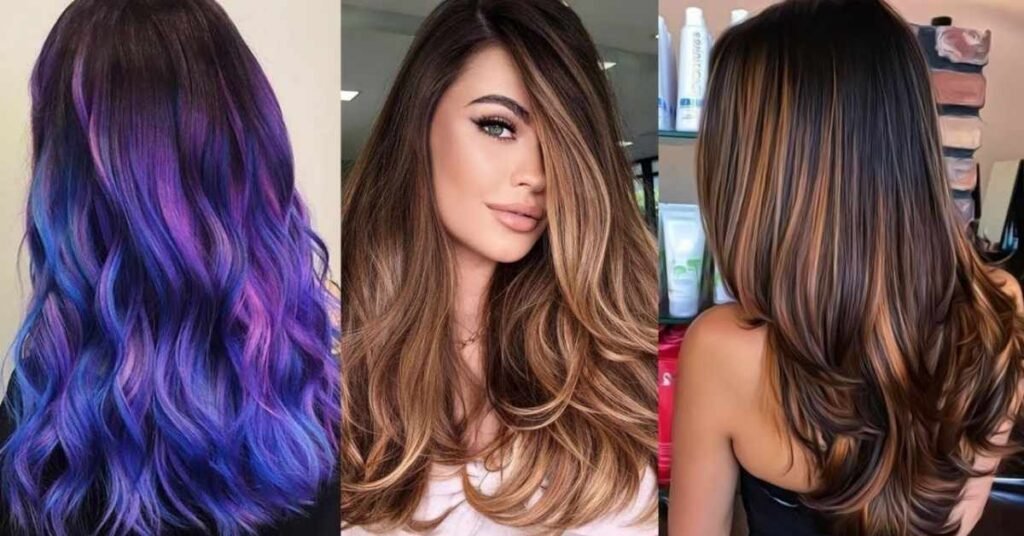
When people think about hair dye, L’Oréal is almost always the first brand that comes to mind. That’s not an accident. L’Oréal has spent over a century building one of the most trusted names in beauty and their hair color range reflects that legacy in every product they make. Their lineup covers virtually every need a US consumer could have. Excellence Créme delivers rich, even permanent hair color with up to 100% gray coverage and a triple-care formula that protects hair before, during, and after coloring. Féria brings dimensional, multitonal color with a metallic shimmer finish that genuinely sets it apart from flat, single-process results. Casting Crème Gloss offers a gentler, ammonia free hair dye experience for those who want color without the sharp chemical smell or harsh processing. And Colorista gives fashion-forward color lovers a way to experiment with vivid, semi-permanent shades without committing to anything permanent.
What makes L’Oréal hair dye particularly stand out is the science behind the formulas. L’Oréal invests more in hair color research and development than virtually any other brand in the world. Their Pro-Keratine complex found in Excellence Créme works by reinforcing the hair’s internal structure during the coloring process, rather than simply depositing pigment and walking away. The result is color that looks healthy rather than processed. Their ODS2 technology, used in Féria, allows color molecules to penetrate deeper into the hair shaft for longer-lasting vibrancy. And across all their lines, L’Oréal includes post-color conditioning treatments that seal the cuticle and lock in shine immediately after rinsing. You can find every one of these products at CVS, Walgreens, Target, Walmart, and Amazon usually between $8 and $15 per kit. For that price, the quality is genuinely remarkable.
| L’Oréal Product Line | Type | Best For | Price Range | Key Feature |
| Excellence Créme | Permanent | Gray coverage, natural shades | $8–$12 | Triple care formula, Pro-Keratine |
| Féria | Permanent | Bold, dimensional color | $10–$14 | ODS2 technology, metallic finish |
| Casting Crème Gloss | Semi-Permanent | Gentle color, shine boost | $9–$13 | Ammonia-free, glossy finish |
| Colorista | Semi-Permanent | Fashion shades, fun color | $8–$12 | Vibrant pigment, fade-friendly |
| Root Cover Up | Temporary Spray | Quick root touch-ups | $10–$15 | Instant coverage, washes out |
L’Oréal Paris Hair Color Shades Explained
Understanding L’Oréal hair color shades before you buy saves you from that sinking feeling of opening a box and getting something totally different from what you expected. L’Oréal uses a numbered system on all their products and once you crack the code, shopping becomes infinitely easier. The first number represents the level (depth) of the color on a scale of 1 to 10. Level 1 is the deepest black. Level 10 is the lightest blonde. Level 5 or 6 falls in the brown hair dye range. The letter or second number after the decimal point indicates the tone G or .3 means golden, A or .1 means ash, R or .6 means red. So shade 6G means Light Golden Brown. Shade 5A means Light Ash Brown. Shade 7R means Dark Auburn Blonde. Once you understand this system, the entire L’Oréal shade chart opens up and makes perfect sense.
This numbering system also helps you shop across different L’Oréal lines without losing your preferred shade. If you love the color in Excellence Créme 6G, you can cross-reference that level and tone in the Féria range to get a more dimensional version of the same shade family. At-home hair color shades that consistently get the best reviews from US consumers include 5 (Medium Brown), 6G (Light Golden Brown), 4R (Dark Auburn Brown), and 1 (Black). For anyone new to hair dye numbers explained, L’Oréal’s own website offers an excellent shade finder tool plug in your current color and desired result and it recommends the exact product and shade for you.
Why L’Oréal Hair Dye Is a Top Global Choice
L’Oréal hair dye dominates the global market for reasons that go well beyond marketing. The brand sells its hair color products in over 150 countries. It holds the top position in the mass-market hair color segment in the United States, consistently outranking Garnier, Revlon, and Clairol in both sales volume and consumer satisfaction surveys. A 2023 Euromonitor International report placed L’Oréal as the world’s number-one beauty company by revenue and hair color represents a significant portion of that dominance. The brand’s commitment to shade inclusivity has also played a major role in its global success. L’Oréal has continuously expanded its shade range to serve consumers across all ethnicities and natural hair color bases from the lightest Scandinavian blonde to the deepest South Asian black.
There’s also an emotional dimension to L’Oréal’s brand power that can’t be ignored. The iconic tagline “Because You’re Worth It” launched in 1973 and still running today transformed hair dye from a vanity product into a statement of self-worth. It told women that coloring their hair wasn’t frivolous. It was an act of confidence. That positioning has made L’Oréal hair color culturally synonymous with empowerment across generations of consumers. Combined with consistent formula quality, wide accessibility, and competitive pricing, it’s easy to see why L’Oréal hair dye remains the first choice for millions of Americans every single month.
Best Professional Hair Color Brands for Salon-Quality Results
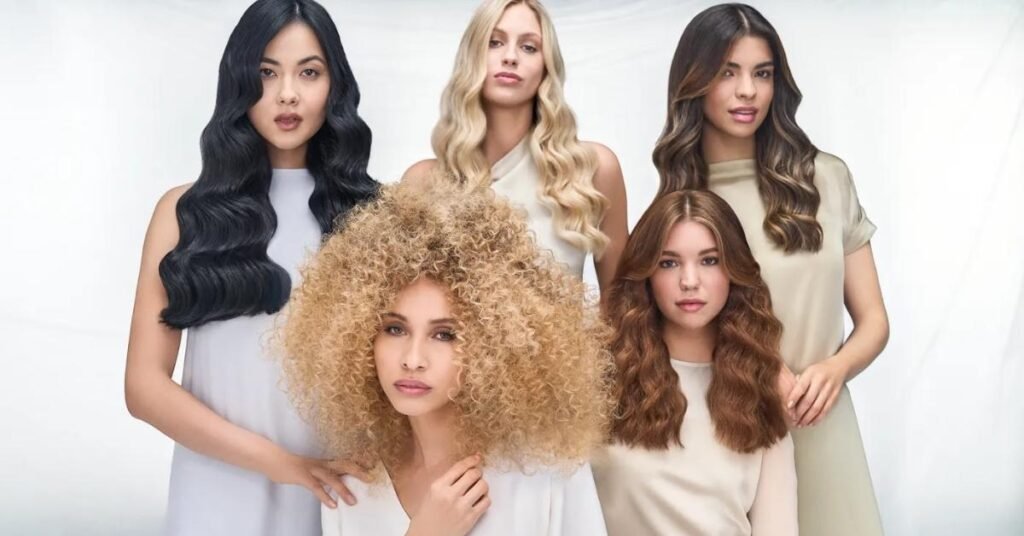
Professional hair color brands operate in a different league than drugstore options and understanding what sets them apart helps you make smarter decisions about where to spend your money. Professional hair dye formulas are designed for use by licensed cosmetologists who understand developer volumes, color theory, and hair chemistry. They use higher concentrations of active ingredients, more precise pigment formulation, and longer-lasting color molecules that penetrate deeper into the hair shaft. The result is typically more vibrant, more accurate, and more durable color than you get from a box. The biggest names in professional hair color in the US include Wella (known for precision and consistency), Redken (loved for its science-backed approach and Shades EQ gloss system), Joico (celebrated for its LumiShine line and color-preserving technology), Schwarzkopf (a powerhouse in vivid and fashion shades), Matrix (the workhorse of mid-range salon color), and Paul Mitchell (a staple in high-end salons for decades).
Some of these professional hair color brands now offer consumer-accessible versions sold through beauty supply stores like Sally Beauty or directly through Amazon. Wella Color Charm, for example, is a professional-grade permanent hair dye that home users can purchase and apply themselves with results that genuinely rival salon visits for simple color jobs. Schwarzkopf’s Keratin Color line bridges the gap between professional formula quality and at-home accessibility. The gap between salon hair dye and best drugstore hair dye has narrowed significantly in recent years, but for complex color work dramatic lightening, corrective color, or precision highlights professional brands used by trained hands still deliver superior results that are difficult to replicate at home.
| Brand | Best Known For | Available To | Price Per Application | Top Product |
| Wella | Precision color consistency | Salons + Sally Beauty | $15–$40 | Wella Color Charm |
| Redken | Science-backed formulas | Salons + online | $20–$50 | Shades EQ Gloss |
| Joico | Color longevity | Salons + beauty supply | $20–$45 | LumiShine |
| Schwarzkopf | Fashion & vivid shades | Salons + drugstores | $10–$40 | Keratin Color |
| Matrix | Versatile salon workhorse | Salons | $15–$35 | SoColor |
| Paul Mitchell | Luxury salon quality | Salons | $25–$60 | The Color |
Transform Your Hair with Professional Hair Color Brands
Professional hair color results aren’t just about shade they’re about the entire experience of what happens to your hair’s texture, shine, and vibrancy during and after the coloring process. When a colorist uses a professional hair dye like Redken Shades EQ on your hair, they’re not just depositing pigment. They’re applying an acid-balanced formula that aligns with the hair’s natural pH, sealing the cuticle as it colors, and leaving the hair more reflective and smoother than before the service. That’s why hair that’s been colored professionally often looks better immediately after coloring not just different. Wella hair color applied at the right developer volume by a skilled colorist delivers results with an evenness and depth that box dye simply can’t replicate, no matter how good the formula.
Consider a real-world example: a woman with naturally dark brown hair (level 4) who wants to achieve a warm chestnut (level 6) with dimensional highlights. A colorist using Schwarzkopf hair color or Matrix SoColor would custom-mix a base shade, select a separate highlight formula, choose the right developer volume for each application, and monitor the processing in real time adjusting timing based on how the hair is lifting. At home with a hair dye box, you get one formula, one developer, and one set of instructions. The professional approach accounts for your specific hair’s history, porosity, and texture in a way no box can. The result is a hair transformation that looks genuinely custom because it is.
Hair Dye vs Professional Salon Color What’s Better?
Here’s the honest truth: neither at-home hair dye nor professional salon hair color is universally better. Each has a clear set of strengths and a clear set of limitations and the right choice depends entirely on what you’re trying to achieve. Professional color gives you a trained eye, custom formulation, real-time adjustment, and results that can handle complex color work balayage, corrective color, dramatic lightening that home kits genuinely can’t replicate safely. A professional colorist reads your hair the way a doctor reads a chart. They assess porosity (how quickly your hair absorbs and releases moisture), elasticity (how much damage it’s sustained), natural pigment distribution, and previous color history all before mixing a single drop of formula. That level of personalization produces hair color that looks custom because it truly is.
That said, at-home hair dye has gotten remarkably good. For maintenance root touch-ups, refreshing existing color, going slightly darker, or achieving a natural-looking brown hair dye result on virgin hair, at-home kits from brands like L’Oréal and Garnier perform brilliantly. The cost difference is dramatic a salon color service in the US typically runs $60–$200 depending on complexity, while a box hair dye kit costs $8–$15. For simple jobs done regularly, that difference adds up to thousands of dollars a year. The key is knowing when to DIY and when to invest in a professional. Use the table below to make that call confidently.
| Goal | DIY at Home | Go to Salon |
| Root touch-up (same shade) | ✅ Easy and effective | Not necessary |
| Going 1–2 shades darker | ✅ Generally safe | Optional |
| Going significantly lighter | ❌ High damage risk | ✅ Essential |
| Covering stubborn grays | ✅ With permanent formula | ✅ For resistant grays |
| Balayage or highlights | ❌ Difficult to replicate | ✅ Best results |
| Corrective color | ❌ High risk of damage | ✅ Always professional |
| First-time color experiment | ✅ With temporary dye | Optional |
| Fashion/vivid colors on dark hair | ❌ Requires bleach | ✅ Safer professionally |
Natural Hair Dye Options for Safe At-Home Coloring
Natural hair dye is no longer a niche category for the deeply committed naturalist. It’s gone mainstream and with good reason. More Americans than ever are reading ingredient labels, questioning what they put on their bodies, and actively seeking chemical free hair dye alternatives that deliver real results without the PPD, ammonia, resorcinol, and parabens found in conventional formulas. How to color hair without chemicals is one of the most-searched hair questions in the US right now, and the answer is richer and more varied than most people expect. Plant based hair dye, herbal hair dye, and organic hair dye options have improved dramatically over the past decade both in terms of color payoff and longevity making them a genuinely viable choice for a growing segment of hair color consumers.
Is natural hair dye safe for hair? The short answer is yes in fact, most natural hair coloring methods are significantly gentler on the hair shaft than oxidative chemical dyes. Because they don’t use hydrogen peroxide or ammonia, they don’t lift the cuticle or alter the hair’s internal structure. Instead, they coat the outside of the hair shaft (like temporary natural hair dye) or penetrate very gently using the hair’s own porosity (like henna hair dye). The result is color that enhances rather than damages. The honest limitation is lift natural hair dye at home cannot lighten hair the way chemical dye can. If you’re trying to go from dark brown to blonde naturally, that’s not currently possible with plant-based methods. But for adding tone, depth, warmth, richness, or subtle color to your existing shade, safe hair dye alternatives deliver beautifully.
| Natural Dye | Color Result | Best Starting Hair | Lasts | Gray Coverage |
| Henna | Warm red-orange to auburn | Light to medium brown | 4–6 weeks | Good to Excellent |
| Indigo | Deep blue to black (over henna) | Any dark base | 4–6 weeks | Good |
| Coffee | Subtle darkening, added depth | Brown hair | 1–4 washes | Minimal |
| Black Tea | Gentle darkening, shine | Brown to dark hair | 1–3 washes | Minimal |
| Chamomile | Soft golden brightening | Light to medium blonde | 2–6 washes | None |
| Beet Juice | Pink to red tones | Light to medium hair | 2–4 washes | None |
| Carrot Juice | Warm orange-red tones | Light to medium hair | 2–4 washes | None |
| Walnut Shell | Rich dark brown | Medium to dark hair | 2–4 washes | Minimal |
| Sage | Subtle darkening | Dark hair | 1–3 washes | Minimal |
7 Natural Hair Dyes You Can Use at Home
How to dye hair naturally at home starts with knowing which ingredient to reach for based on the result you want. Henna hair dye is the most powerful and well-researched option in the natural hair dye category. Pure henna made from the powdered leaves of the Lawsonia inermis plant deposits warm orange-to-auburn pigment on the hair that deepens over 48 hours after application. Is henna better than chemical dye for hair health? Most trichologists would say yes henna actually strengthens the hair shaft by binding to the keratin protein, which means hair often feels thicker and stronger after a henna treatment rather than weaker. How long does henna hair dye last? Typically four to six weeks, fading gradually and naturally rather than growing out in a harsh line. It’s one of the best options for gray hair natural coverage too though the result on gray hair will be a vivid, warm orange-red rather than a natural brunette, unless you layer indigo over it afterward.
Coffee hair dye is the ultimate beginner-friendly DIY hair dye option. How to use coffee to dye hair is surprisingly simple brew a very strong pot of dark roast coffee, let it cool, mix it with a leave-in conditioner to thicken the consistency, apply to clean hair, leave on for at least an hour (or longer for deeper results), and rinse with cool water. Does coffee dye gray hair permanently? No coffee is a temporary natural hair dye that washes out gradually, but regular use can build subtle depth over time, especially on naturally dark hair. Beet juice hair dye delivers the most dramatic natural hair color payoff of any food-based option. How to use beet juice as hair dye involves juicing fresh beets, mixing with a carrier oil (coconut or olive), applying to hair, covering with a shower cap, and leaving for one to two hours. Can beet juice stain hair permanently? Not permanently but on very light or porous hair, the pink-red tone can linger for several weeks. Carrot juice hair dye works similarly, depositing warm orange tones. Lemon juice hair lightener is the one natural hair dye option that provides subtle lift rather than adding pigment the citric acid reacts with sunlight to gradually brighten hair. Can lemon juice lighten hair permanently? No results fade as hair grows and the lightened sections aren’t structurally altered the way bleached hair is, but repeated use does create a visible brightening effect over time. Chamomile hair lightener works similarly for the gentlest possible golden brightening. And sage hair dye brewed as a strong tea and applied as a rinse can subtly darken and deepen naturally dark hair while adding beautiful shine.
How to Make Natural Hair Dye Last Longer
How to maintain natural hair dye color is the question everyone asks after their first gorgeous plant based hair dye result starts fading faster than expected. The truth is that natural hair coloring methods produce pigment that sits differently in the hair than chemical dye and that difference means it responds differently to everything from your shower routine to the weather. How to prevent natural hair dye from fading starts with one simple step: an acidic rinse immediately after your natural hair dye treatment. Mix two tablespoons of apple cider vinegar into two cups of cool water and pour it over your hair as your final rinse. The acidity seals the hair cuticle, locking the natural pigment in and adding a beautiful shine at the same time. This single step can meaningfully extend the life of henna hair dye, coffee hair dye, and beet juice hair dye results.
Beyond the rinse, your shampoo choice matters enormously. Sulfate free hair dye maintenance products specifically sulfate-free shampoos are essential for anyone using natural hair color methods because sulfates strip pigment (both natural and chemical) aggressively with every wash. Wash your hair in cool or lukewarm water rather than hot heat opens the cuticle and releases pigment faster. Limit washing to two or three times a week. And refresh your color regularly how often can you use natural hair dye depends on the method. Coffee rinses and chamomile treatments can be done weekly without any concern. Henna should be used no more than once every four to six weeks to avoid excessive buildup that can make hair feel stiff. What is the healthiest way to color hair overall? Combining gentle non toxic hair dye or organic hair dye options with a consistent, color-protective care routine delivers the longest-lasting, healthiest results across the board.
Hair Color Shades Guide Browns, Reds & Blacks
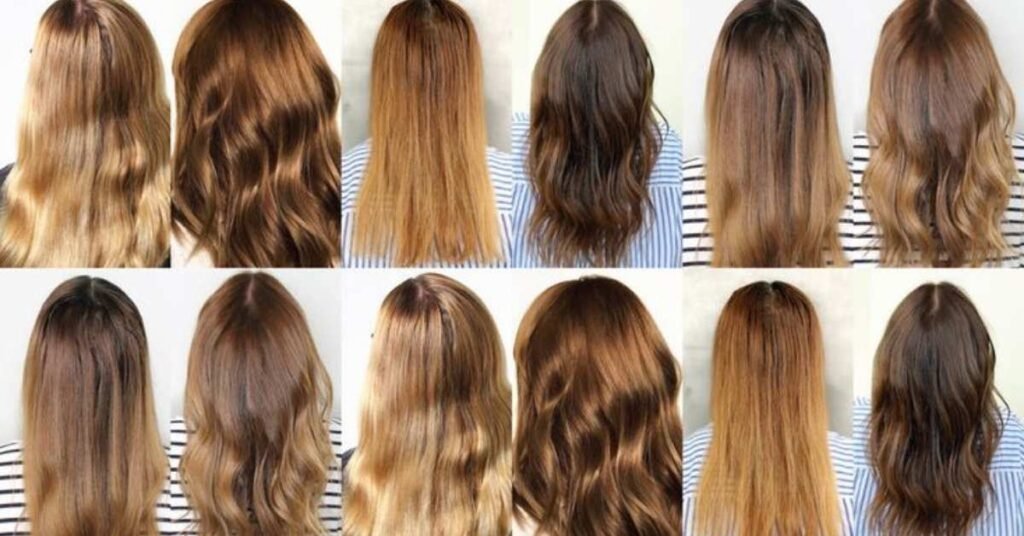
The hair color shades world can feel impossibly vast when you’re standing in a drugstore aisle staring at 80 different boxes. Breaking it down by color family and level makes everything cleaner and easier. The professional hair color numbering system runs from 1 to 10 with 1 being the deepest black and 10 being the palest platinum blonde. Brown hair dye shades occupy levels 3 through 7, covering everything from deep espresso to light golden brown. Red hair dye can appear across multiple levels from deep burgundy at level 3 to vibrant copper at level 7 to strawberry blonde at level 8. Black hair dye sits at levels 1 and 2. Understanding this system before you shop transforms the entire experience from guesswork into a genuinely informed decision. The tone letter (N for natural, G for golden, A for ash, R for red, V for violet) tells you the direction the color will pull and matching that direction to your skin’s undertone is what makes the difference between a color that looks incredible and one that just looks… off.
What are the best hair color shades for most Americans? According to salon data and consumer trend reports, medium brown (level 5N) remains the most popular hair dye shade requested across all demographics. After brown, warm auburn and chestnut shades see the most consistent demand. Vibrant reds (level 6–7R) spike in fall. Lighter, sun-kissed shades (levels 7–8G) peak in spring and summer. Black hair dye (levels 1–2) maintains steady year-round demand, particularly among consumers who want the deepest, most dramatic look possible. How to get natural looking hair color at home regardless of the shade family almost always comes down to choosing a shade no more than two levels away from your natural base. Dramatic lifts require bleaching first, and dramatic darkening on previously lightened hair requires careful formulation to avoid a flat, unnatural result.
| Hair Level | Shade Family | Example Shades | Best Skin Tones |
| 1–2 | Black | Jet black, blue-black, soft black | All especially deep/cool |
| 3–4 | Dark Brown | Espresso, dark chocolate, mocha | All skin tones |
| 5–6 | Medium-Light Brown | Chestnut, caramel, golden brown | Medium, olive, warm |
| 6–7 | Light Brown | Sandy, ash brown, honey | Fair to medium |
| 7–8 | Dark Blonde/Auburn | Copper, auburn, strawberry | Warm, fair, olive |
| 8–9 | Light Blonde | Golden blonde, caramel blonde | Fair, light medium |
| 10 | Platinum Blonde | Icy, platinum, pearl | Fair, very light |
Brown Hair Dye Shades Explained
Brown hair dye is the most universally flattering, most requested, and most varied of all the hair color shades families and it’s easy to see why. There’s a version of brown for literally every skin tone, every undertone, and every aesthetic preference. At the darkest end, you have espresso and deep chocolate (levels 3–4) rich, deep shades that absorb light and create an intensely polished, sophisticated effect. Medium brown (level 5) is the all-rounder warm, natural, and flattering on virtually every complexion. Chestnut hair dye (level 5–6 with warm red undertones) adds incredible vibrancy and movement to dark to medium hair. Warm brown hair color like caramel and golden brown (level 6–7G) is the choice for anyone who wants their hair to look sun-kissed and luminous. Ash brown hair dye (level 5–6A) is the cool, sophisticated option smoky, muted, and particularly stunning on cool-undertoned or fair skin.
Dark brown hair dye (levels 3–4) is one of the most forgiving choices for home colorists because it’s deep enough to be very consistent across different starting points and resistant enough to look polished for weeks without maintenance. Medium brown hair color (level 5) photographs beautifully in all lighting conditions and transitions gracefully through seasons. Chocolate brown hair a deep, rich brown with warm red-brown undertones remains one of the most searched shade names in the US year after year. It’s consistently recommended as the what is the best chemical free hair dye option for brunettes because several organic hair dye and herbal hair dye brands offer chocolate brown shades in ammonia free and paraben free hair dye formulations that deliver genuinely impressive results.
Red & Black Hair Dye Color Variations
Red hair dye is the most emotionally charged, most photographed, and most maintenance-intensive color family in the entire hair color shades spectrum. And people who love red hair color absolutely love it the passion is real and the look is undeniable. The red family spans an enormous range: light strawberry blonde (level 8R) sits at one end soft, feminine, and subtle. Vibrant copper (level 7R) is warmer and bolder. Auburn hair color (level 5–6R) is the classic, rich red-brown that’s timeless and universally flattering on warm skin tones. Burgundy (level 3–4V/R) is the deepest, most dramatic red rich, wine-toned, and absolutely stunning in winter. The challenge with all red hair dye shades is that red pigment molecules are the smallest in the color spectrum, which means they exit the hair shaft faster than any other color. Hair color maintenance for reds requires more frequent toning, color-depositing shampoos, and reapplication than brown or black shades.
Black hair dye is on the opposite end of the personality spectrum dramatic, definitive, and deeply powerful. Level 1 jet black is the darkest shade available and delivers an intensely reflective, blue-black sheen in sunlight. Soft black (level 2) gives a slightly softer, more natural effect that’s particularly beautiful on medium and olive complexions. Blue black hair is a variation within the black family that has a visible blue or navy tint especially visible in natural light and has become enormously popular among younger consumers for its unique, almost gothic glamour. One critical fact about black hair dye: once you’ve gone black with a permanent formula, going lighter requires significant professional intervention. The density of black pigment is extremely difficult to lift without causing serious damage. If you’re considering black hair dye for the first time, try a semi-permanent version first to make sure you love it before committing.
Temporary Hair Dye vs Permanent Hair Color
Understanding the four main hair dye types is one of the most important pieces of knowledge you can have before buying any hair color product. Temporary, semi-permanent, demi-permanent, and permanent each works differently on a chemical level, delivers different results, and suits different goals. Temporary hair dye sits entirely on the surface of the hair shaft, coating the cuticle with pigment without penetrating the cortex at all. Because it doesn’t go inside the hair, it washes out completely in one to twelve shampoos no lasting chemical change, no commitment, no developer required. It’s the safest possible hair dye option for hair health. Semi-permanent hair color goes slightly deeper it uses no developer and relies on the hair’s natural porosity to absorb pigment. It lasts twelve to twenty-four washes and fades gradually rather than washing out completely. Demi-permanent hair color uses a very low-volume developer (typically 10 volume) to open the cuticle just slightly, allowing for deeper, more lasting color deposit. It lasts three to six weeks and provides better gray blending than semi-permanent. Permanent hair color uses a higher developer (20–40 volume) to fully open the cuticle, enter the cortex, and create a permanent chemical change in the hair’s pigment. It lasts six to eight weeks before the root growth becomes visible.
How long does hair dye last depends almost entirely on which of these four types you use but also on your maintenance habits. The most fade resistant hair color systems are permanent formulas with a good color-protective care routine. The fastest-fading are temporary sprays and rinses designed to wash out in a single shower. Semi-permanent hair dye fades in a way that’s actually quite flattering it doesn’t grow out in a harsh line, it just gradually becomes lighter and softer, which many people find easier to manage than the stark root line of permanent color. How to maintain natural hair dye color and chemical color alike comes down to the same core habits: sulfate-free shampoo, cool water rinses, less frequent washing, UV protection, and regular toning treatments.
| Hair Dye Type | Developer | How It Works | Lasts | Gray Coverage | Damage Level |
| Temporary | None | Coats cuticle surface only | 1–12 washes | None | Minimal |
| Semi-Permanent | None | Light porosity penetration | 4–6 weeks | Minimal | Very Low |
| Demi-Permanent | 10 Volume | Opens cuticle slightly | 3–6 weeks | Good blending | Low |
| Permanent | 20–40 Volume | Full cortex penetration | 6–8 weeks | Excellent | Moderate |
When to Use Temporary Hair Color
Temporary hair color is the unsung hero of the hair dye world and it’s genuinely underused by people who could benefit enormously from it. The most obvious use case is experimentation. If you’ve been thinking about going red for the past six months but you’re terrified of commitment, a temporary hair color spray or rinse lets you test the look for a day or a week before making any permanent decisions. Festival season is another perfect moment vibrant, bold wash-out hair color lets you rock electric blue, rose gold, or emerald green for a weekend without altering your professional look for Monday morning. Temporary gray coverage is also a legitimate and growing use case a root touch-up spray in your natural hair color applied between appointments keeps grays invisible without any chemical commitment.
Color depositing conditioner is one of the most useful temporary hair dye innovations in recent years. Products like Overtone, Celeb Luxury Viral, and dpHUE Color Gloss+ deposit small amounts of pigment with every use meaning your color actually gets better rather than duller between appointments. For people with natural hair dye results that need regular refreshing, a color-depositing conditioner in the right shade is a total game-changer. Fun hair color at home has never been more accessible brands like Arctic Fox, Manic Panic, and Pravana offer semi-to-temporary vivid shades that work beautifully on pre-lightened hair and fade with a gorgeous, watercolor-like softness rather than turning patchy or brassy.
Long-Lasting vs Wash-Out Hair Dye Differences
Long-lasting hair dye and wash-out hair color serve completely different purposes and choosing between them should be a deliberate, informed decision rather than a default to whatever’s most convenient. Permanent hair dye the most long-lasting hair dye option available lasts six to eight weeks on average before new root growth becomes visible and color starts to fade noticeably. It provides the most complete gray coverage, the most vibrant initial result, and the widest range of shade options. The trade-off is a moderate level of hair damage from the developer, particularly with repeated applications on the same sections of hair. Permanent vs temporary hair dye isn’t a contest it’s a choice based on your specific goals.
Wash-out hair color encompasses temporary and some semi-permanent options that clear from the hair within a few weeks or even a few washes. The biggest advantages are flexibility and hair health because no developer is used, the hair structure remains intact and healthy throughout the process. Hair dye longevity with wash-out options can actually be extended meaningfully with the right care cool water, infrequent washing, and color-protective products can push a semi-permanent result from four weeks to six or even seven. The framework for choosing is simple: if you need gray coverage, choose permanent. If you want to experiment or refresh, choose temporary or semi-permanent. If you want something in the middle better coverage than semi-permanent but less commitment than permanent demi-permanent is your answer.
Read More About: Popular Everyday Spring Outfits 2026 The Ultimate Casual Style Guide for Every Woman
Risks of Hair Dye and How to Avoid Damage
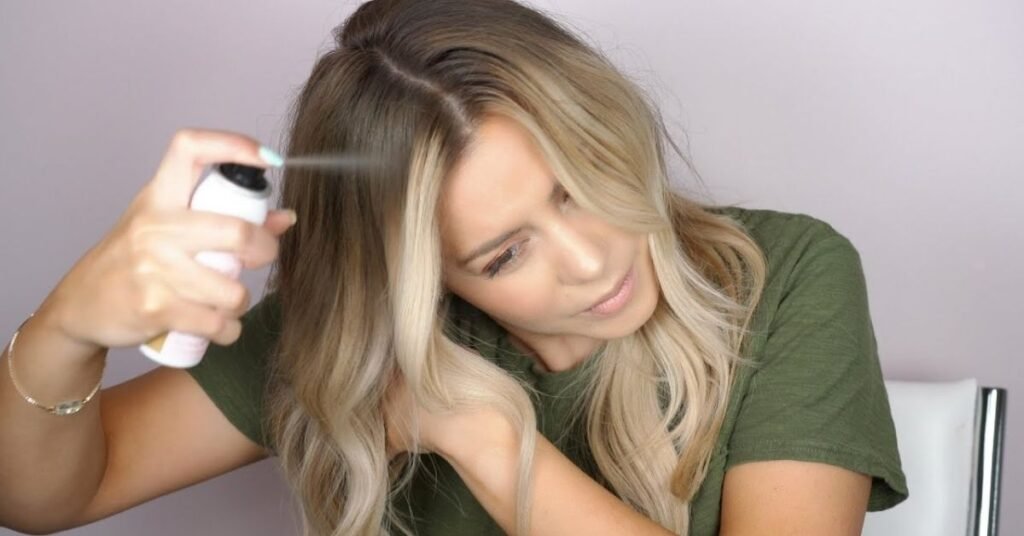
Every hair dye product natural or chemical comes with a risk profile, and being honest about that is more useful than either fear-mongering or dismissing concerns entirely. The most significant risk associated with conventional chemical hair dye is an allergic reaction to PPD para-phenylenediamine. PPD is a chemical compound used in most permanent hair color products to deliver dark, lasting color. For most people, PPD causes no issues. But for a meaningful percentage of the population estimated at 5–10% repeated exposure to PPD can trigger sensitization, leading to hair dye allergy symptoms ranging from mild scalp itching and redness to severe contact dermatitis with swelling, blistering, and in rare cases, anaphylaxis. The American Academy of Dermatology strongly recommends a patch test 48 hours before using any new hair dye product every single time, even if you’ve used the same brand before, because sensitization can develop over time.
Beyond allergic reactions, the most common hair dye risks for regular users are physical rather than allergic dryness, breakage, and increased porosity from repeated chemical processing. Permanent hair dye uses hydrogen peroxide to open the hair cuticle and deposit color inside the cortex. Done once, this process is manageable. Done repeatedly on the same sections of hair without adequate protein and moisture maintenance, it leads to cumulative structural damage that manifests as brittleness, split ends, and eventual breakage. Scalp irritation from hair dye tingling, burning, or sensitivity during processing is common and usually mild. Intense burning, however, is a warning sign that should prompt you to rinse immediately. Safe hair coloring is absolutely achievable with the right knowledge and preparation it’s not about avoiding hair dye entirely, it’s about using it responsibly.
| Risk | Cause | How to Prevent |
| PPD Allergy | Sensitization to PPD in permanent dye | Always patch test 48 hours before |
| Scalp irritation | Developer contact with sensitive scalp | Use barrier cream; rinse if intense |
| Chemical burns | Over-processing or wrong developer strength | Follow instructions exactly |
| Dryness & breakage | Repeated overlapping of permanent dye | Space appointments; deep condition |
| Increased porosity | Cuticle damage from repeated lifting | Use protein treatments; go darker |
| Skin staining | Dye contact with hairline/ears | Apply petroleum jelly as barrier |
Common Side Effects of Hair Dye
Hair dye side effects range from entirely normal and temporary to genuinely concerning and knowing the difference keeps you informed rather than anxious. Scalp tingling during processing is the most common experience and is generally normal it simply means the formula is active and processing. It should be mild. If it intensifies to a burning sensation, rinse immediately without hesitation. Contact dermatitis from hair dye typically appears within 48 hours of application redness, itching, swelling, or a rash along the hairline, ears, or scalp. Mild cases resolve on their own within a few days. Severe cases require medical attention and an antihistamine. PPD reaction is the most serious hair dye allergy scenario symptoms can include facial swelling, difficulty breathing, and anaphylaxis in the most extreme cases. This is rare but real, and it’s the reason patch testing exists.
Hair breakage from dye is the side effect most home colorists encounter and the one most easily prevented. It happens when permanent hair dye is repeatedly applied over already-processed hair, when developer strength is too high for the hair’s current condition, or when adequate conditioning doesn’t follow the coloring process. Hair dye safety also includes being aware of scalp health people with open wounds, psoriasis, eczema, or active scalp infections should consult a dermatologist before using any permanent hair color. And for pregnant women: the American College of Obstetricians and Gynecologists notes that while hair dye during pregnancy is generally considered low-risk, many women prefer to wait until the second trimester and choose ammonia free hair dye or non toxic hair dye options as a precaution.
How to Protect Hair While Coloring
Protect hair while dyeing this is the mindset that separates people who have beautiful, healthy colored hair from people who feel like their hair has been slowly destroyed by the process. It starts before you even open the box. In the week before a permanent hair dye application, do a deep conditioning or protein treatment to fortify the hair shaft. Avoid washing your hair the day of coloring the natural scalp oils that accumulate over 24 to 48 hours form a protective barrier on both the scalp and the hair shaft that reduces irritation during processing. Apply a thin line of petroleum jelly or a dedicated barrier cream along your hairline, behind your ears, and on the back of your neck before starting. This prevents skin staining and reduces the chance of scalp irritation from hair dye.
During application, work systematically. Section your hair into quadrants and apply hair dye from the root to the ends in organized sections rather than slathering it on randomly to ensure even coverage and avoid over-saturating any single area. Hair dye application tips that professionals consistently emphasize include: never exceed the recommended processing time (more time doesn’t mean more color it means more damage), keep the formula away from your eyes, and always rinse thoroughly with lukewarm water until the water runs completely clear. Deep conditioning before hair dye and immediately after are non-negotiable steps for anyone coloring regularly. The conditioning treatment included in most hair dye kits exists for a reason use it every time, without exception. Color safe hair care continues in the days and weeks after coloring: sulfate-free shampoo, heat protectant before every styling session, and a weekly nourishing mask keep color-treated hair looking and feeling healthy for as long as possible.
Shop Hair Dye Products & Best Picks
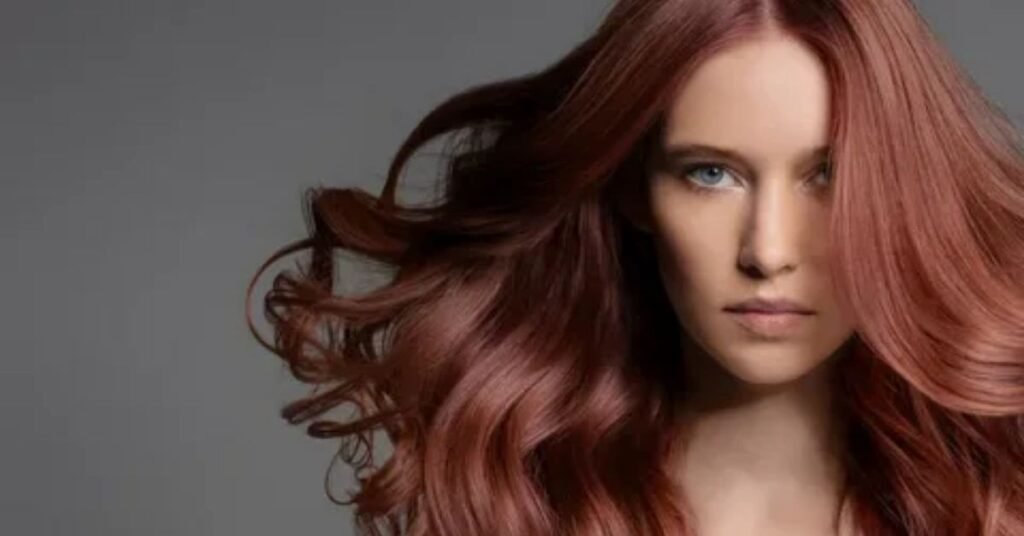
The hair dye market offers something for every need, every budget, and every starting point but knowing which specific products to reach for takes the guesswork out of the shopping experience entirely. The best picks listed here are based on formula quality, customer review patterns across major US retailers, shade accuracy, and overall value for money. Whether you’re shopping at Ulta, Target, Amazon, or Sally Beauty, these are the products consistently at the top of their categories. Best hair dye for women spans a huge range of formulas and finishes the right pick depends on your specific goal rather than a one-size-fits-all recommendation. Use the table below as your quick-reference shopping guide, then read the expanded picks for more detail.
Every category of hair color need is represented here from the best drugstore hair dye for budget-conscious consumers to professional-grade options for those who want salon results at home. Top rated hair dye lists on sites like Ulta and Amazon consistently see the same brands appearing at the top: L’Oréal, Garnier, Revlon, Wella Color Charm, and Schwarzkopf. Natural options like Lush Henna Blocks and Surya Brasil Henna Cream represent the best of the vegan hair dye options and non toxic hair dye categories. And for fashion color lovers, Arctic Fox and Manic Panic remain the community favorites for vibrant, plant based hair coloring results on pre-lightened hair.
| Category | Product | Brand | Price | Where to Buy |
| Best Overall | Excellence Créme | L’Oréal | $9–$12 | Target, CVS, Amazon |
| Best for Gray Coverage | Wella Color Charm | Wella | $8–$12 | Sally Beauty, Amazon |
| Best Ammonia-Free | Casting Crème Gloss | L’Oréal | $9–$13 | Walgreens, Ulta |
| Best Natural Option | Henna Cream | Surya Brasil | $15–$20 | Amazon, Whole Foods |
| Best Fashion Color | Arctic Fox | Arctic Fox | $12–$17 | Ulta, Amazon |
| Best Budget Pick | Nutrisse Color Cream | Garnier | $7–$10 | Walmart, CVS |
| Best Professional | Shades EQ Gloss | Redken | $20–$35 | Salon, Amazon |
| Best for Dark Hair | Féria Power Browns | L’Oréal | $10–$14 | Target, Walgreens |
Shop L’Oréal Hair Dye Collection
The L’Oréal hair dye collection is genuinely comprehensive enough to meet virtually every hair color need in one brand and that’s a rare thing in any product category. For maximum gray coverage with the longest-lasting result, Excellence Créme in shades like 4 (Dark Brown), 5G (Medium Golden Brown), or 6 (Light Brown) delivers consistently beautiful, even color that holds for six to eight weeks. For a more dimensional, multitonal result with noticeable shine, Féria Power Browns in shades like B61 (Chocolate Cherry) or B36 (Chocolate Mousse) creates depth and movement that goes well beyond what most single-process drugstore dyes achieve. L’Oréal Féria is also the line to reach for if you want fashion-forward color the Extreme Platinum and Smokey Silver shades have built a devoted fanbase among color-adventurous consumers.
Ammonia free hair color lovers should go straight to Casting Crème Gloss available in an enormous range of shades from 200 (Ebony Black) to 710 (Vanilla). This line smells infinitely better than traditional permanent dye, processes more gently, and leaves the hair with a beautiful glossy finish that genuinely lives up to its name. L’Oréal Root Cover Up spray is the brand’s fastest, most convenient product a touch-up spray that covers grays in seconds and washes out completely. It’s available in seven shades and costs around $12 at most major retailers. For full pricing and the complete shade range, visit or check listings on Amazon and Ulta for current availability and deals.
Best Hair Dye for Women in Pakistan & Global Markets
Hair dye in Pakistan and across South Asian markets follows some distinct patterns that differ meaningfully from the US market. Consumer shade preferences lean strongly toward deep blacks, rich warm browns, burgundy, and dark auburn shades that complement the deeper, warmer complexions that are prevalent across the region. L’Oréal hair color is one of the most widely available and trusted brands in Pakistan, sold through major pharmacy chains, beauty retailers, and online platforms. Garnier Color Naturals a separate Garnier line developed specifically for Asian markets is enormously popular for its gentle formula and shade range specifically calibrated for darker base colors. Schwarzkopf is also widely available and respected, particularly for its Palette line.
Hair dye for dark hair is a particular focus in South Asian markets because the starting base is usually a deep level 2–4, making it harder to achieve lighter shades without significant pre-lightening. International hair color brands have responded to this by expanding their shade ranges for darker bases and by offering stronger developer options. Best hair dye for women in these markets also reflects a strong preference for ammonia free hair dye and herbal hair dye options henna remains deeply culturally embedded across Pakistan, India, and the wider South Asian diaspora, both as a natural hair dye tradition and as a genuine preference for safe hair coloring methods over chemical alternatives. For South Asian consumers in the US, brands like Surya Brasil, Rainbow Research Henna, and Lush Henna offer the best bridge between traditional herbal hair dye practices and modern, conveniently packaged products.
FAQs
What is the best hair dye brand in the world?
L’Oréal consistently ranks as the best hair dye brand in the world by both revenue and consumer satisfaction across global markets. Sold in over 150 countries, L’Oréal dominates the mass-market hair color segment with its Excellence Créme, Féria, and Casting Crème Gloss lines. For professional use, Wella and Schwarzkopf are among the most respected names among licensed colorists worldwide. For natural hair dye, Surya Brasil and Lush lead the category globally. The “best” brand ultimately depends on your specific goal gray coverage, fashion color, natural hair coloring methods, or professional results but for the widest range of reliable, accessible options across all categories, L’Oréal remains the gold standard.
Is L’Oréal hair dye safe for regular use?
Yes L’Oréal hair dye is safe for regular use when applied correctly and according to the product instructions. L’Oréal formulas are rigorously tested for safety before reaching the market. That said, “regular use” of permanent hair color should be interpreted carefully. Coloring the entire length of your hair with permanent hair dye every four weeks is excessive and will lead to cumulative damage. The recommended approach is to apply permanent color to new root growth only during touch-up appointments, with a full application no more frequently than every six to eight weeks. A patch test 48 hours before each new application is always recommended even if you’ve used L’Oréal before because hair dye allergy sensitization can develop with repeated exposure. Ammonia free hair dye options like Casting Crème Gloss offer a gentler alternative for more frequent use.
How long does hair dye last?
How long does hair dye last depends entirely on the type of formula used. Permanent hair color lasts six to eight weeks before root growth becomes visible and significant fading begins. Demi-permanent hair dye lasts three to six weeks. Semi-permanent hair color lasts four to six weeks with gradual fading. Temporary hair dye lasts anywhere from one single wash to twelve washes depending on the formula and your hair’s porosity. Beyond formula type, your maintenance habits dramatically affect longevity. Washing less frequently, using sulfate free hair dye maintenance shampoo, rinsing in cool water, and applying UV protection all extend the life of any hair color result natural or chemical.
Can you dye hair at home without damage?
Can you dye hair at home without damage? Yes absolutely with the right approach. How to dye hair without damaging it starts with choosing the right formula for your goal. Ammonia free hair dye and semi-permanent hair color cause significantly less damage than full permanent formulas. Always do a strand test before full application. Never overlap permanent hair dye on already-processed sections. Use the recommended developer strength going higher doesn’t produce better results, it just causes more damage. Deep condition before and after every color session. Space your appointments at least four to six weeks apart. And consider natural hair dye at home options for regular tonal refreshes between chemical appointments coffee hair dye, chamomile hair lightener, and henna hair dye all let you maintain your color without adding any chemical stress to your hair whatsoever.
Conclusion
Hair dye is one of the most exciting tools for self-expression available to you and with the right knowledge, the right products, and the right care routine, it’s something you can enjoy safely, confidently, and beautifully for your entire life. From the trusted excellence of L’Oréal hair color to the gentle power of natural hair dye at home, from bold permanent hair dye transformations to subtle temporary hair color experiments the options in 2026 are better than they’ve ever been. You don’t have to choose between great color and healthy hair. With the right information, you genuinely get both.
Whether you’re a first-timer reaching for your very first box of brown hair dye, a longtime color lover looking to switch up your routine with herbal hair dye or a vegan hair dye option, or someone navigating gray hair natural coverage for the very first time the path forward is clear. Know your goal. Know your hair. Choose your formula. Protect your hair before, during, and after. And then go enjoy your gorgeous, freshly colored self. The best hair dye decision you ever make is the one you make with full confidence and after reading this guide, that confidence is absolutely yours.


