
Wolf Haircut Ideas 2026 The Most Stunning Modern Layered Styles Transforming Hair Right Now


If you have spent any meaningful time on social media or inside a salon in the past two years, you already know that the wolf haircut is not a passing trend it is a genuine cultural phenomenon that has fundamentally reshaped how an entire generation thinks about hair. Named for its wild, untamed, voluminous character, the wolf cut sits at an extraordinary creative intersection between the heavily layered shags of the 1970s and the textured, lived-in aesthetic that defines contemporary hair culture. In 2026, this cut has not simply maintained its popularity it has deepened, diversified, and become more sophisticated in ways that make it more relevant and more wearable than at any point in its modern revival.
What separates the wolf haircut from other trending styles is the breadth of its creative vocabulary. Most haircut trends have a relatively narrow range of expression a specific length, a specific texture, a specific finish. The wolf cut, by contrast, is more of a philosophy than a formula. It is built around the idea of dramatic layers, significant crown volume, wispy or textured ends, and an overall silhouette that has energy, movement, and a certain beautiful disorder that cannot be replicated by any other cutting technique. This means the cut translates across hair lengths from short to very long, adapts to every texture from stick-straight to tightly coiled, and suits every face shape when approached by a stylist who truly understands its underlying architecture.
In 2026 specifically, the wolf haircut with modern layered styles has been significantly shaped by the broader cultural conversation around authentic, low-maintenance beauty. We are in an era that celebrates hair that looks like it has a life of its own that moves, breathes, and behaves in ways that feel genuinely natural rather than engineered. The wolf cut is the physical embodiment of this philosophy. Its signature combination of heavy internal layering, face-framing pieces, and intentionally undone ends creates a look that appears effortless even when it is anything but, and it rewards the kind of low-intervention styling approach that resonates so deeply with the modern sensibility around beauty and self-presentation.
There is also something deeply democratic about the wolf cut’s continued dominance in 2026. It has refused to belong exclusively to any single demographic, aesthetic tribe, or personal style category. You will find it on fashion week attendees in Milan and on skateboarders in Melbourne. On women in their fifties who have rediscovered their love of textured hair, and on teenagers who discovered it through a TikTok transformation video. On people with coily natural hair and on people with fine, straight hair that had never held a style for longer than an hour before their wolf cut changed everything. That universality is the wolf cut’s greatest and most enduring achievement.
Read More About: Men’s Haircuts Ideas 2026 The Most Trendy Men’s Styles Redefining Modern Grooming
Latest Trends in Wolf Haircut Ideas 2026
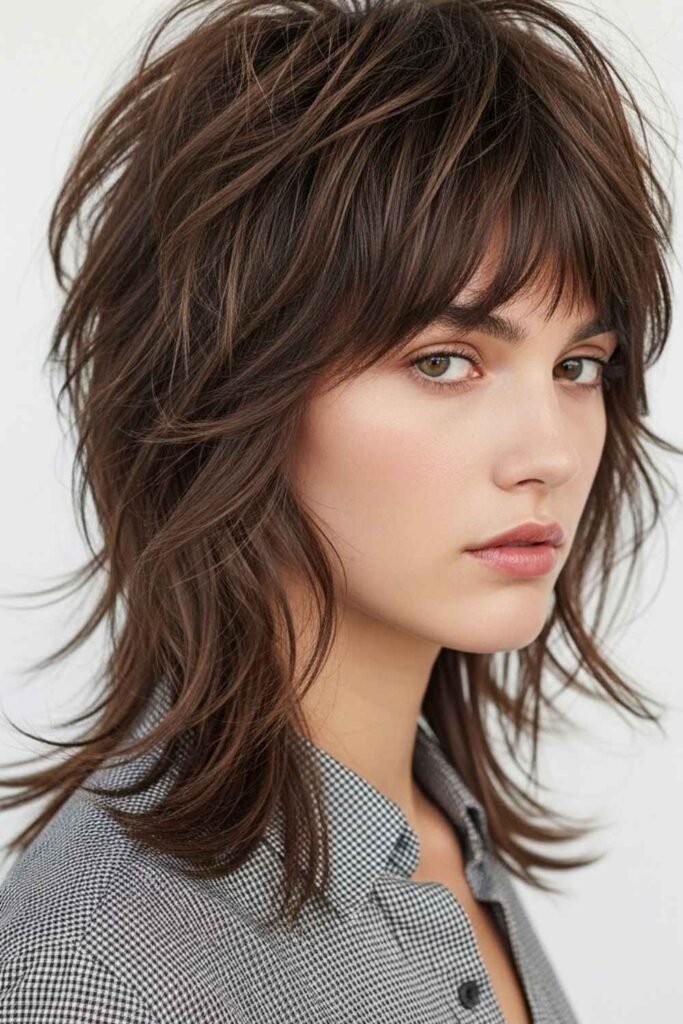
The wolf haircut landscape in 2026 is richer and more diverse than it has ever been, with several distinct directional movements emerging from the work of the most talented and forward-thinking stylists in the global hair community. The first and perhaps most significant of these is the “refined wolf” a version of the cut that retains all the signature layering and volume of the original but applies a more deliberate, considered approach to the perimeter and face-framing pieces. Where earlier iterations of the wolf cut celebrated a certain rough-around-the-edges quality, the refined wolf brings elegant precision to the outermost edges of the style while keeping the interior wild and textured. The result is a cut that has the best of both worlds: the energy and movement of the wolf’s signature layering with the kind of polished edge that translates comfortably into professional and formal environments.
The “micro wolf” is another fascinating development in the 2026 wolf cut conversation a short, above-the-shoulder interpretation that packs all the volumetric drama of the original into a significantly more manageable length. This version is driving enormous interest among women who love the wolf cut’s aesthetic but have been hesitant to commit to the mid-to-long lengths typically associated with the style. The micro wolf features extremely graduated layers from a very short, textured crown down through progressively longer pieces at the sides and nape, creating a shape that is simultaneously sculptural and organic. It requires a stylist with a deep understanding of layering mechanics to execute well, but when done correctly it is one of the most striking short hairstyles currently available.
The relationship between the wolf cut and natural hair textures is also evolving in particularly exciting ways in 2026. Curl-specialist stylists have developed specific techniques for adapting the wolf cut’s signature layering architecture to naturally curly, wavy, and coily textures, and the results are spectacular. The key insight driving this evolution is that the wolf cut’s volume and movement which are created mechanically through layering in straight hair are actually inherent to curly and wavy textures, meaning the cut simply needs to be designed to reveal and celebrate what is already there. A wolf cut on naturally wavy hair creates a cascade of defined, bouncy waves with incredible dimension. On coily hair, it creates a stunning halo of volume and shape that is unlike anything achievable through any other cutting technique.
Color and cut are becoming increasingly inseparable in the wolf cut conversation of 2026, with colorists and stylists collaborating more intentionally than ever before to create holistic looks where the color technique is specifically designed to enhance the dimensional quality of the layers. Techniques like contrasting root shadows, face-framing money pieces in warm or cool tones, and gradient color that moves from richer tones at the root to brighter tones at the ends are all being used to make the wolf cut’s layered structure visually legible each layer catching light differently because it has a subtly different tonal quality from the layer above it. This synergy between color and cut is one of the primary drivers of the wolf cut’s continued visual impact in the social media age.
Best Wolf Haircut Styles and Ideas for 2026
The Classic Medium-Length Wolf Cut
The medium-length wolf cut typically sitting between the collarbone and the mid-chest remains the definitive, most universally flattering expression of the style in 2026. At this length, the cut’s signature combination of heavy internal layers, curtain bangs or face-framing pieces, and wispy, textured ends achieves its perfect equilibrium. The layers have enough length to create genuinely dramatic movement and volume without the weight becoming difficult to manage, and the face-framing pieces can be graduated precisely to create the most flattering possible frame for virtually any face shape. For people with naturally wavy or slightly curly hair, this is the length at which the wolf cut most beautifully reveals and enhances natural texture. For those with straight hair, it provides enough length for heat-styling techniques to create waves and movement that give the cut its characteristic wild energy.
The Long Wolf Cut with Dramatic Layers
For those who want maximum visual impact from their wolf cut, the long version falling below the chest and sometimes approaching the waist is a genuinely breathtaking option in 2026. What distinguishes the long wolf cut from a standard long layered haircut is the radical approach to the graduation of layers: the shortest layers at the crown can be as much as eight to twelve inches shorter than the overall length of the hair, creating an almost architectural contrast between the voluminous crown and the long, flowing lengths below. This dramatic internal graduation is the source of the wolf cut’s signature “wolf ears” the pieces of shorter hair that frame the face and sit above the ears, creating that characteristic wild silhouette that gave the cut its name. At longer lengths, these features become even more visually pronounced and impactful.
The Short Wolf Cut
The short wolf cut sitting at or above the jaw is a boldly creative option that produces one of the most striking silhouettes in contemporary hair. At this length, the cut functions almost like a sculptural art piece: the heavy layering creates significant volume at the crown that gradually transitions into shorter, textured pieces at the sides and nape, producing a shape that is simultaneously reminiscent of a shag and something altogether more dramatically modern. This version is particularly powerful on people with naturally fine hair, as the aggressive layering creates density and volume that fine hair rarely achieves through any other technique. It also suits people with strong bone structure a defined jaw, prominent cheekbones, or a striking brow as the cut creates a beautiful visual dialogue between the geometric quality of the face and the organic energy of the hair.
The Wolf Cut With Curtain Bangs
The combination of a wolf cut with curtain bangs has become one of the most requested hair looks of 2026, and it is not difficult to understand why. The curtain bangs long, center-parted fringe pieces that sweep away from the face on each side are in many ways the natural counterpart to the wolf cut’s layering structure, extending the face-framing elements of the cut right to the forehead and creating an enveloping, softly dimensional frame for the entire face. The effect is deeply romantic and undeniably flattering across a remarkable range of face shapes, with the bangs particularly beneficial for those with larger foreheads or those who want to balance a more angular or angular face shape with softness. The maintenance requirement of curtain bangs is also very forgiving they grow out gracefully and can be pinned back or tucked behind the ears on days when you want a different look.
The Wolf Cut for Naturally Curly and Coily Hair
As mentioned earlier, the adaptation of the wolf cut to naturally curly and coily textures is one of the most exciting developments in 2026, and it deserves its own detailed exploration. When performed by a stylist who specializes in curl cutting techniques ideally someone trained in dry-cutting methods that allow them to see and cut the curl as it naturally behaves the wolf cut creates results on curly and coily hair that are genuinely transformative. The layering lifts weight from areas of the hair that are naturally prone to compression, allowing individual curls and coils to spring up and define themselves fully. The result is extraordinary volume, definition, and dimension — a halo of texture and shape that celebrates the hair’s natural character in the most beautiful possible way.
The Edgy Wolf Cut With Disconnected Layers
For those who want to push the wolf cut into more deliberately artistic, fashion-forward territory, the disconnected layer version is the 2026 option that is generating the most excitement among style-forward communities. This version features intentional disconnection between layers visible gaps where one layer ends and another begins, rather than the smooth graduation that characterizes more conventional interpretations of the cut. The effect is rawer, more angular, and more visually complex than the classic wolf cut, with a strong editorial quality that photographs extraordinarily well and creates a powerful visual impact in person. This version is best executed by stylists with genuine experience in creative cutting, as the disconnection needs to be precisely calculated to look intentional rather than simply uneven.
Seasonal Colors and Combinations for Wolf Haircut 2026
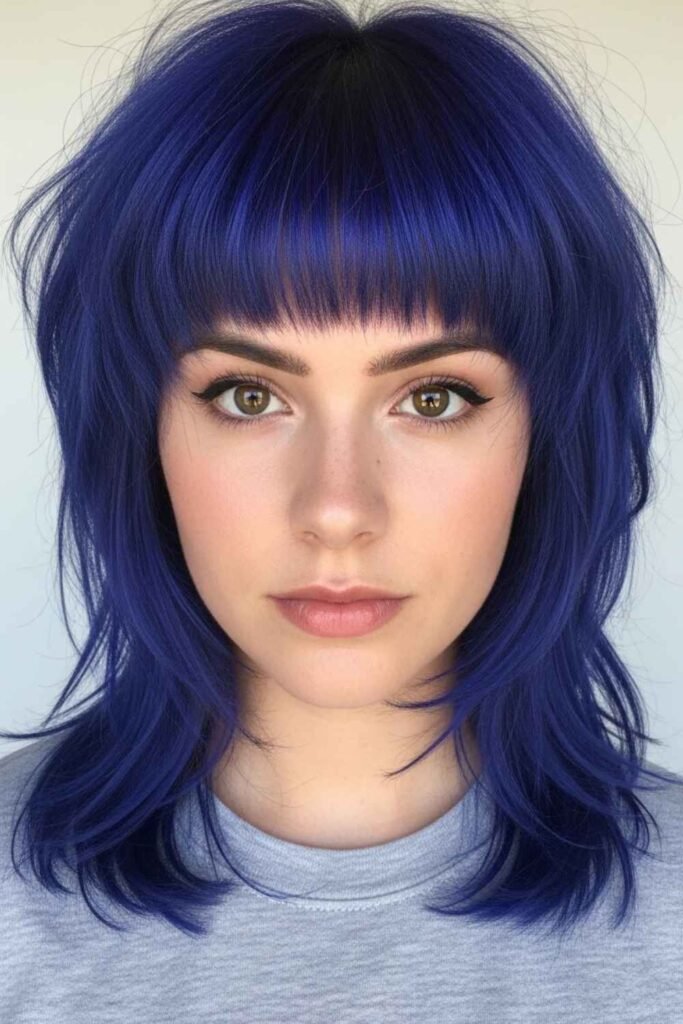
Color and the wolf cut have a special relationship that is unlike the color-cut dynamic of almost any other hairstyle, and this relationship is nowhere more beautifully expressed than in the seasonal color progressions that stylists are creating specifically for layered wolf cuts in 2026. The reason color and the wolf cut work so extraordinarily well together is structural the cut’s heavy layering means that different lengths of hair catch light at different angles, which causes color to appear dimensional and complex even when the actual color technique is relatively simple. A single-process color on a wolf cut will always look more interesting and multidimensional than the same color on a blunt cut, simply because the layers are doing constant visual work.
In spring, the dominant color story for the wolf cut leans into warmth and light. Honey blondes, warm caramels, and sun-kissed balayage that concentrates lightness around the face and on the outermost layers are performing beautifully, creating a look that feels inherently warm, energetic, and fresh. The contrast between lighter face-framing pieces and deeper interior layers is particularly stunning on the wolf cut at this time of year every time the hair moves, you catch glimpses of the richer, darker tones underneath, creating a sense of depth and complexity that reads as genuinely luxurious.
Summer 2026 is pushing the wolf cut color story toward something even more expressive, with fashion-forward color options including bleached blonde with dark roots, vivid color melt techniques that transition the hair through two or three tonal families from root to end, and the return of copper and red-adjacent tones that have a particular vibrancy in the long days of summer light. For those who prefer to stay in the natural color spectrum, dimensional brunettes enhanced with subtle amber and gold tones are one of the most beautiful and wearable summer color options they enhance the warmth of tanned skin beautifully and create an almost glowing quality in the hair’s appearance.
Autumn is the wolf cut’s most natural seasonal habitat in terms of color. The cut’s inherently wild, organic character aligns perfectly with the deep, earthy tones that the autumn palette brings: forest greens with dark chocolate bases, rich burgundy and wine tones layered through dark brunettes, pumpkin-spice copper on warm-toned natural bases, and the deeply moody combination of near-black roots with dusty, desaturated mid-lengths. These colors interact with the wolf cut’s layers in spectacular ways, creating a visual richness and complexity that is perfectly suited to the dramatic, atmospheric aesthetic of the season. Winter deepens and intensifies these color stories further, with maximum saturation and depth producing some of the most striking wolf cut looks of the year.
Step by Step Guide How to Style Your Wolf Haircut in 2026
The wolf cut is often praised for its effortless appearance, but achieving that specific quality of beautiful, intentional disorder requires understanding what the cut actually needs from a styling perspective and developing a routine that delivers it consistently. The following approach reflects what professional stylists recommend for getting the best possible result from a wolf cut in daily life.
Step One Prepare Your Hair Correctly
Begin with freshly washed hair, choosing products that suit your specific texture. If you have fine hair, a volumizing shampoo and a lightweight conditioner applied only to the ends will give you the lifted, airy base that your wolf cut needs to perform at its best. For thick or coarse hair, a nourishing shampoo and a more generous conditioner through the mid-lengths and ends will ensure that the layers have the suppleness and smoothness to fall and move naturally. Gently squeeze excess water from your hair never rub and allow it to go from soaking wet to damp before applying any products. This intermediate moisture level is the sweet spot at which styling products integrate most effectively with the hair.
Step Two Apply the Right Products
The wolf cut typically benefits from a two-product approach: a volumizing or texturizing product applied at the roots, and a defining or moisturizing product applied through the mid-lengths and ends. For the roots, a lightweight mousse or a sea salt spray applied to the root area before blow drying creates the volume and lift that is essential to the wolf cut’s signature crown fullness. For the mid-lengths and ends, a styling cream, a curl-enhancing lotion, or a light oil depending on your texture goal will provide the definition and polish that keeps the ends looking deliberate rather than simply dry and damaged.
Step Three Diffuse or Blow Dry With Intention
If you have naturally wavy or curly hair, a diffuser attachment is your most important tool for bringing out the best in your wolf cut. Flip your hair forward and work in sections, cupping sections of hair into the diffuser bowl and holding on medium heat for fifteen to twenty seconds before releasing and moving to the next section. This technique builds volume at the crown and defines the wave pattern throughout the layers without disrupting the natural movement of the hair. For straight hair, use a round brush and a concentrator nozzle to direct the hair forward and away from the face as you dry, building volume at the root and creating the slight movement at the ends that gives the wolf cut its characteristic wave-like quality.
Step Four Add Definition and Separation
Once your hair is fully dry, the final and arguably most important styling step is adding definition and separation to the layers. Use your fingers lightly coated with a small amount of a matte styling paste or a dry texture spray to separate and define individual sections of the outermost layers. This creates the visible, distinct layer definition that is so essential to the wolf cut’s silhouette. Work through the crown sections to maximize volume, and then work through the face-framing pieces to ensure they are sitting in the most flattering possible position relative to your face. This entire step should take no more than two to three minutes but makes a disproportionately large difference to the final result.
Step Five Lock In the Style
A light application of a flexible-hold hairspray misted from at least twelve inches away to ensure even distribution preserves the shape and volume you have created without hardening the hair or eliminating its natural movement. For longer wolf cuts, this step is particularly valuable for maintaining the volume at the crown throughout the day, as longer, heavier hair has a natural tendency to compress the crown over time. A quick upside-down shake and a light spray reactivates the volume at any point during the day when it needs refreshing.
Styling Ideas for Different Occasions
Everyday Casual
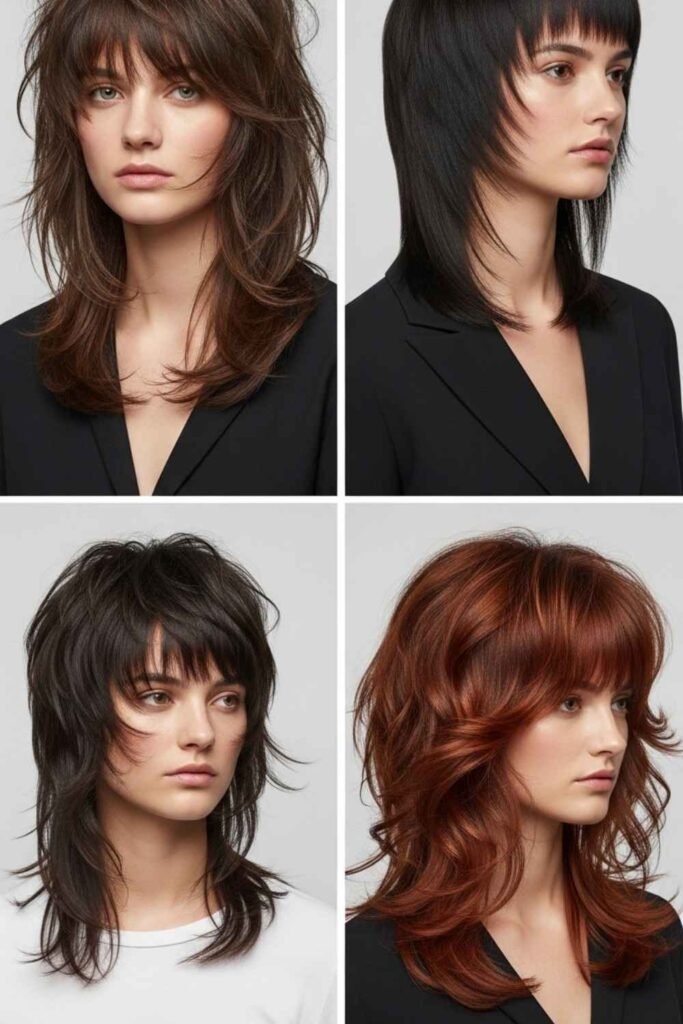
The wolf cut was essentially designed for daily casual wear, and it looks at its most natural and beautiful in this context. An air-dried finish with a light texture spray is all that is needed for a day of errands, creative work, or casual socializing the cut’s structure does the heavy lifting, and the natural movement and volume of the layers create a style that looks considered without appearing like it required effort. The half-up version where the top section of hair is loosely gathered and secured with a claw clip or a silk scrunchie is one of the most universally flattering casual options for the wolf cut, as it reveals the layers at the back while showcasing the face-framing pieces around the face.
Professional Settings
The refined wolf cut of 2026 navigates professional environments with considerably more ease than earlier, more aggressively textured iterations of the style. When styled with a light blow-out that smooths the surface while maintaining the underlying volume and shape, the wolf cut reads as modern, intentional, and thoroughly professional. The key adaptations for work environments are a slightly smoother finish on the surface of the hair, minimal visible disconnection between layers, and a styling product with a light, natural hold that prevents any tendency toward frizz or excessive volume in formal settings. The wolf cut’s face-framing layers are an asset in professional contexts because they create an energetic, engaging frame for the face that photographs and communicates particularly well.
Evening and Events
The wolf cut genuinely comes alive for evening occasions, where its inherent drama and movement can be fully expressed without any professional context moderating it. Tousled, richly textured waves created with a large-barrel curling iron give the cut a glamorous, rock-and-roll quality that is unlike anything achievable with any other hairstyle. Deep side partings that sweep the longer layers dramatically across the face create a powerful, cinematic quality for formal events. Half-up styles with face-framing tendrils deliberately left loose are a perfect wedding guest option romantic, distinctly modern, and effortlessly beautiful without requiring elaborate technical styling. For special events where maximum impact is the goal, a deeply volumized, fully blown-out wolf cut with defined, separated layers is one of the most spectacular hairstyles available in 2026.
Festival and Outdoor Settings
Few haircuts thrive in outdoor and festival environments as magnificently as the wolf cut, and this is one of the practical reasons for its enduring popularity beyond the purely aesthetic considerations. Wind and humidity the twin enemies of most styled hairstyles actually enhance the wolf cut’s natural texture and movement, making the hair look more alive and more beautiful as the day progresses rather than less. Braided details woven through the layers a loose French braid incorporating the crown layers, small braids within the face-framing pieces, or a single statement braid down one side integrate beautifully into the wolf cut’s structure and provide a bohemian, festival-appropriate finishing touch that stays in place throughout the day with minimal maintenance.
Celebrity and Social Media Trends in Wolf Haircut 2026
The wolf haircut’s journey from viral TikTok trend to enduring mainstream staple is one of the most fascinating case studies in how social media shapes contemporary beauty culture, and in 2026 the cut’s social media presence has evolved significantly from its early days of raw transformation videos into something considerably more sophisticated and editorially polished. The platform ecosystem around the wolf cut now includes everything from highly produced tutorial content by professional stylists to genuine, unfiltered documentation of the cut’s behavior in real daily life and this combination of aspirational and authentic content is a significant reason for the style’s continued ability to attract new devotees.
The celebrity influence on the wolf cut in 2026 has been profound and consistently visible across film, music, and sports culture. A remarkable number of high-profile women across different industries and age demographics have either adopted some version of the wolf cut or have been styled in ways that clearly reference its aesthetic vocabulary. What is particularly interesting about the celebrity wolf cut moment in 2026 is how the style is being adapted to suit radically different personal brand aesthetics showing the cut’s remarkable versatility across tonal and conceptual contexts.
On the men’s side of the wolf cut conversation because it is absolutely worth noting that the wolf cut has a significant and growing male fan base in 2026 several high-profile athletes and musicians have been photographed in versions of the cut that are adapted for male aesthetics. The men’s wolf cut typically features less dramatic length graduation and a slightly tighter silhouette overall, but retains the signature crown volume, textured layers, and face-framing pieces that define the style’s fundamental character. The growing mainstream acceptance of longer, more textured men’s hairstyles has opened the door for the wolf cut to find a genuinely large male audience, and the results being produced by barbers and stylists who specialize in this adaptation are some of the most exciting men’s hair work being done anywhere in the world.
Micro-influencers with specific hair type niches curly hair, fine hair, natural hair, silver hair have been particularly valuable in demonstrating the wolf cut’s true versatility across textures and demographics that are often underrepresented in mainstream hair content. Seeing the wolf cut executed on hair that looks like yours rather than only on the idealized, bouncy, thick hair that tends to dominate professional styling content is deeply influential in the decision-making process of people who are on the fence about whether the cut will work for them specifically.
Read More About: Shag Haircut 2026 With Soft Layers The Ultimate Style Guide Every Modern Woman Needs
Do’s and Don’ts of the Wolf Haircut 2026
Do bring multiple reference images to your appointment. The wolf cut is one of the most technically complex haircuts to communicate verbally because so much of what makes it distinctive is in the specific relationship between layers, the graduation of volume from crown to ends, and the placement of face-framing pieces. Words like “layered” and “textured” are genuinely insufficient to convey these nuances. Bringing a portfolio of images different angles, different textures similar to your own, different lengths gives your stylist a much richer brief and dramatically increases the likelihood of achieving a result that genuinely excites you.
Do embrace your natural texture rather than suppressing it. The wolf cut is fundamentally designed to work with and reveal natural texture, and the most beautiful results consistently come from people who let their natural wave, curl, or movement define the character of the cut rather than fighting it with heat tools. If you have wavy hair, the wolf cut will give you the most beautiful, most defined waves of your life if you allow it to. If you have straight hair, a very light wave created with a large-barrel iron will give the cut its characteristic movement without dramatically altering the natural quality of your texture.
Don’t underestimate the importance of choosing the right stylist. The wolf cut is technically demanding, and not every stylist however talented in other respects has the specific experience with aggressive layering techniques and the understanding of how dramatic graduation interacts with different hair types that this cut requires. Researching stylists specifically for their wolf cut portfolio before booking is not excessive it is sensible, and it will make a meaningful difference to your result.
Don’t neglect the crown volume in your daily styling routine. The most common complaint about the wolf cut among people who are struggling with it is that it goes flat at the crown by midday, which collapses the entire silhouette and makes the cut look shapeless rather than dramatically layered. This is almost always a product or technique issue rather than a problem with the cut itself. Ensuring you have a volumizing product at the roots, using the blow dryer to build root lift before the hair sets, and using a dry texture spray as a midday refresh are all practices that solve this problem entirely.
Common Mistakes to Avoid
The most consequential mistake people make when planning a wolf haircut is choosing the wrong length for their hair’s natural density and thickness. The wolf cut relies on significant internal graduation of layers to create its characteristic silhouette, which means it requires a certain minimum amount of hair density to work correctly. Very fine, low-density hair that is cut aggressively with wolf cut layering techniques can end up looking thin and stringy rather than voluminous and textured the layers remove so much weight that there is simply not enough hair left to create the intended silhouette. A skilled stylist will adapt the layering approach for fine hair, using less aggressive graduation and focusing the layering on areas where it creates the most visual impact without compromising overall density.
Another common mistake is over-styling the wolf cut in pursuit of perfection. The cut’s entire aesthetic philosophy is built around a certain quality of beautiful imperfection the sense that the hair is doing something genuinely organic and natural rather than being mechanically arranged. When people over-brush, over-smooth, and over-product their wolf cut in pursuit of a tidier finish, they inadvertently eliminate the very characteristics that make the style so distinctive and compelling. Learning to appreciate and work with the slight wildness of the wolf cut rather than trying to contain it is genuinely one of the most transformative shifts in perspective available to anyone who has this haircut.
Choosing a colorist and a stylist who do not communicate with each other is a mistake that can undermine both the cut and the color simultaneously. As discussed earlier, the most stunning wolf cut looks in 2026 involve intentional collaboration between the cutting and coloring approach, with each technique designed to enhance the other. If your stylist and colorist are different people who work independently without knowledge of what the other is doing, you miss the opportunity to create this synergy. Whenever possible, try to work with professionals who know each other’s work or who are willing to communicate directly about the approach they are each taking.
Budget-Friendly Wolf Haircut Ideas 2026
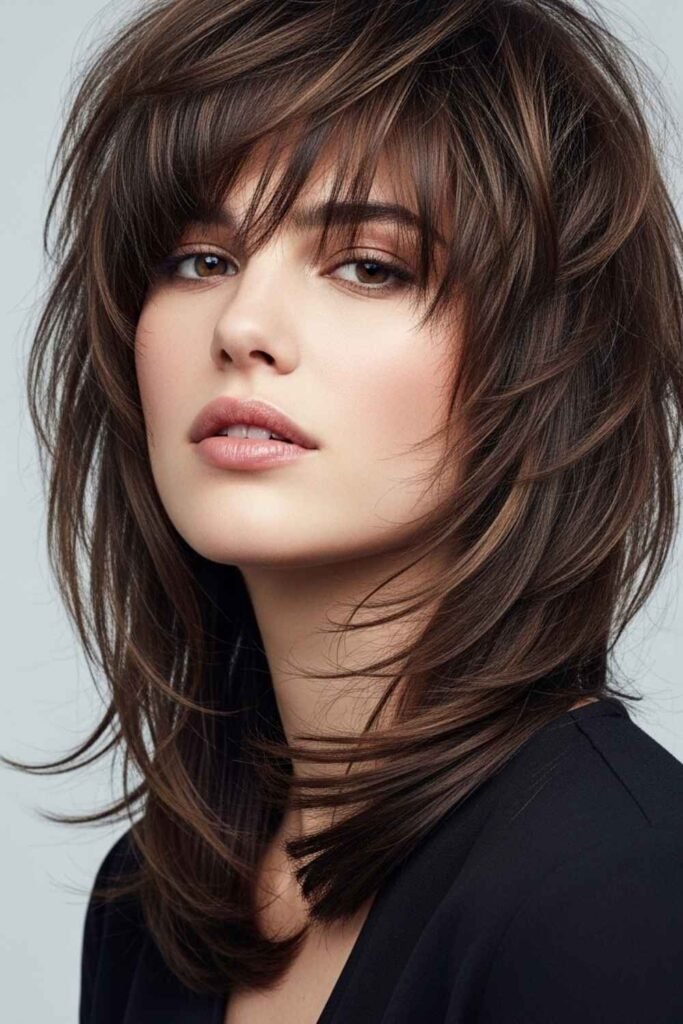
The wolf cut is one of the more democratically accessible high-impact hairstyles available in 2026, partly because its deliberate aesthetic imperfection means that minor technical inconsistencies are much less visible than they would be in a more precision-dependent cut like a geometric bob or a perfectly graduated pixie. This characteristic makes it an excellent choice for students at reputable cosmetology schools, where supervised training stylists offer significantly discounted services while performing work that is often genuinely impressive. Wolf cuts on training students at reputable cosmetology schools frequently produce results that are indistinguishable from professional salon work, and the cost savings can be substantial.
Product investment for the wolf cut is also very manageable at a budget level. The cut’s most essential product needs a volumizing mousse or sea salt spray, a light defining cream or oil for the ends, and a flexible-hold hairspray are all available at pharmacy and drugstore price points in formulations that perform reliably well. Understanding the functional role of each product type rather than chasing specific brand names allows you to make intelligent, cost-effective product decisions that deliver genuinely good results without premium pricing.
Learning to refresh your wolf cut between salon appointments is a budget skill that pays ongoing dividends. The characteristic layers of the wolf cut grow out in ways that can be partially maintained at home with basic point-cutting techniques on the very ends of the outermost layers. This is not a replacement for professional maintenance but it extends the life of the cut’s overall shape and freshness significantly, reducing the frequency of professional appointments without compromising the integrity of the style beyond a certain point.
Premium and Luxury Wolf Haircut Ideas 2026
At the luxury end of the wolf cut market in 2026, the experience of getting this cut has become a genuinely bespoke creative collaboration between client and stylist. Senior stylists at high-end salons who specialize in the wolf cut invest significant time in the consultation process understanding not just the client’s hair history and texture characteristics, but their daily routine, their styling confidence and ability, their wardrobe and overall aesthetic, and even the specific way they hold their head and move when they walk. All of this contextual information feeds into a cutting approach that is genuinely individualized in ways that standard consultations cannot achieve.
The luxury color dimension of the wolf cut in 2026 is where the most spectacular results are being created. Senior colorists who have developed specific expertise in enhancing layered cuts through color placement are using extraordinarily nuanced techniques combinations of hand-painting, foiling, toning, and glossing to create color that looks like it exists in three dimensions on the hair. The interplay between the wolf cut’s layers and the depth and dimensionality of bespoke color produces results that no single photograph can fully capture, because the appearance changes completely as the hair moves and as the light source changes. This quality of genuinely living, dynamic color is the ultimate expression of what makes the wolf cut and thoughtful color work such a powerful combination.
How to Maintain and Care for Your Wolf Haircut
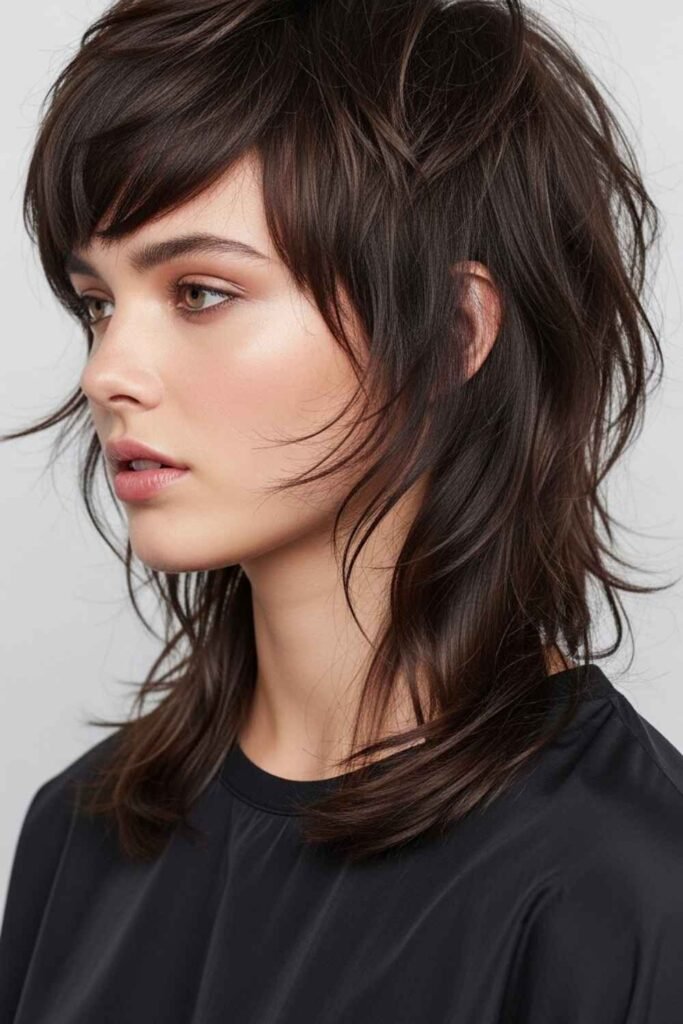
Maintaining a wolf haircut in peak condition requires a care approach that balances several competing priorities: keeping the layers looking deliberate and defined, maintaining the health of the ends which are subjected to the most layering and therefore the most cutting, managing the natural tendency of the crown to compress over time, and preserving whatever color treatments have been applied to enhance the layering structure. This sounds complex but resolves into a relatively simple routine when the underlying principles are understood.
The health of the ends is the most important long-term maintenance priority for any wolf cut, because damaged, split ends on a layered cut catch light differently from healthy ends, creating a frizzy, dry halo around the perimeter of the style that undermines its visual quality significantly. Regular trims every eight to ten weeks for maintaining the shape, or every twelve to fourteen weeks for growing it out keep the ends in optimal condition and preserve the precision of the graduation that gives the cut its characteristic silhouette. Between trims, a nourishing hair oil applied to the ends after washing and before styling provides a protective coating that reduces friction damage and keeps the ends smooth and healthy-looking.
Hydration is absolutely essential for wolf cuts on any texture. The layering technique removes some of the hair’s natural ability to retain moisture through length shorter sections of hair have less weight, which means they are more susceptible to dryness and frizz. A weekly deep conditioning mask or treatment, applied after shampooing and left on for a minimum of fifteen to twenty minutes, provides a level of moisture and nourishment that regular conditioner alone cannot deliver. For naturally curly or coily wolf cuts, this weekly treatment is particularly non-negotiable it is the single maintenance habit that has the greatest impact on the quality and beauty of the style in daily life.
Comparison Table Wolf Haircut Styles 2026 at a Glance
| Style | Best For | Face Shape | Maintenance | Key Feature | Season |
| Classic Mid-Length Wolf | All hair types | All shapes | Medium | Balanced volume & length | Year-round |
| Long Wolf Cut | Thick/wavy hair | Oval, Heart | Medium-High | Dramatic layer contrast | Autumn/Winter |
| Short/Micro Wolf | Fine to medium | Oval, Square | Medium | Bold sculptural shape | Spring/Summer |
| Wolf + Curtain Bangs | Most textures | Round, Square | Medium | Romantic face-frame | Year-round |
| Curly/Coily Wolf | Natural textures | All shapes | Low-Medium | Curl definition & volume | Year-round |
| Disconnected Wolf | Medium-thick hair | Oval, Rectangle | High | Editorial, graphic edge | Autumn/Winter |
| Refined Wolf | All textures | All shapes | Low-Medium | Polished meets wild | Year-round |
Expert Tips and Pro Hacks
Professional stylists who work extensively with the wolf cut have a collection of specific, insider-level insights that make a meaningful difference to both the quality of the initial cut and the ease of living with the style over time. The first and most impactful is the concept of “dry assessment before wet cutting” an approach where the stylist assesses the client’s natural hair fall, growth patterns, and texture while the hair is completely dry before introducing any water. Because the wolf cut is so dependent on understanding how the hair naturally falls and moves, this pre-wet assessment allows the stylist to design the layering architecture around the hair’s actual behavior rather than its wet behavior, which can be significantly different.
For styling at home, the “upside-down diffuse” technique is one of the most powerful tools available to wolf cut owners with any degree of natural wave or curl. Flipping the hair completely forward and diffusing from below builds an extraordinary amount of root volume and crown lift that is almost impossible to achieve through conventional upright styling. The key is to allow the hair to cool in the flipped position for at least thirty seconds after the diffuser is turned off — the heat set into the lifted position as the hair cools is what preserves the volume through the day. Raising your head too quickly after diffusing collapses the volume before it has fully set.
For maintaining the wolf cut’s freshness between washes, the combination of a dry shampoo at the roots and a light water spray through the mid-lengths and ends is far more effective than dry shampoo alone. The water reactivates any styling product remaining in the hair and reshapes the layers without requiring a full wash and restyle, while the dry shampoo at the roots absorbs any accumulation of oil that would otherwise weight down the crown and compromise the volume that is so essential to the cut’s silhouette.
Read More About: Bob Haircuts 2026 The Most Modern Styles That Are Redefining Short Hair
Trend Forecast Where the Wolf Haircut Is Heading Next
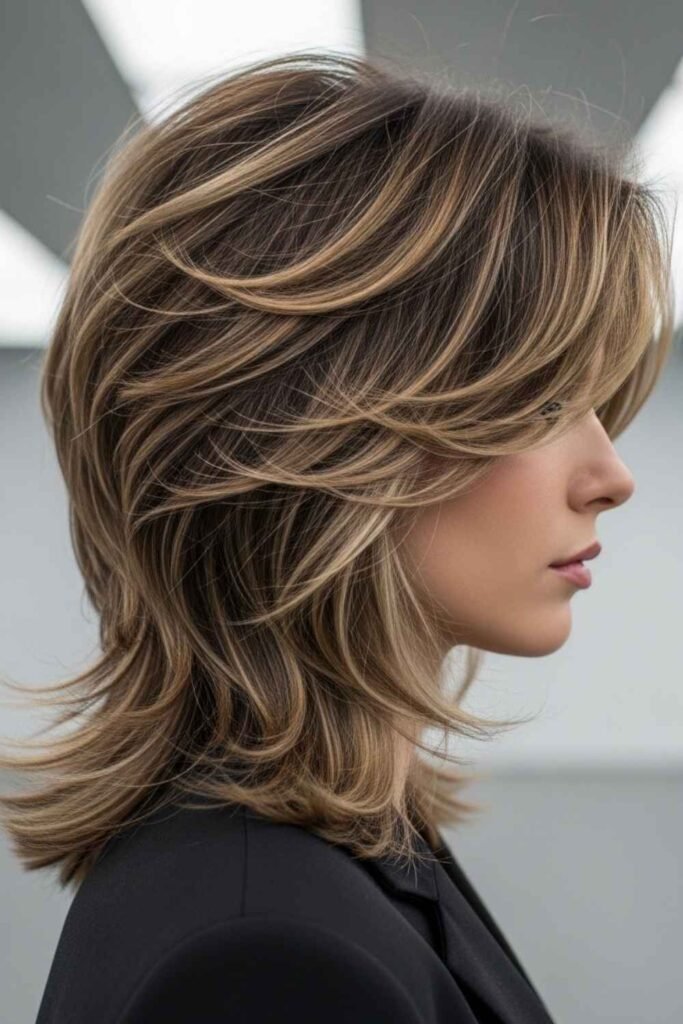
The trajectory of the wolf haircut in 2026 points clearly toward a continued refinement and diversification rather than any decline in relevance or popularity. The cut has proven itself to be far more than a single-cycle trend it has demonstrated the kind of structural versatility and cross-demographic appeal that characterizes genuinely enduring hair styles. Looking into 2027, the wolf cut is likely to diversify further into micro-niches defined by specific texture types, specific aesthetic communities, and specific lifestyle contexts, each producing its own distinct adaptation of the core wolf cut philosophy.
The most significant evolution on the horizon is the integration of the wolf cut’s layering principles with the broader wellness and hair health movement that is already reshaping how consumers think about their hair care routines. Future iterations of the wolf cut will likely be designed as much around the health and growth optimization of the hair as around the purely aesthetic outcomes, with cutting techniques that remove damage selectively and layering approaches that support rather than compromise the structural integrity of each strand. This health-forward approach to the wolf cut will produce styles that not only look more beautiful in the short term but continue to improve in quality and appearance as the hair grows into its healthiest possible state.
Color technology is also going to play an increasingly important role in the evolution of the wolf cut’s visual language. As AI-assisted color analysis tools become more widely available in professional salon settings, colorists will be able to create increasingly personalized, precisely calibrated color enhancements that maximize the dimensional impact of the wolf cut’s layering for each individual client’s specific hair color, skin tone, and aesthetic preferences. The results of this technology-enhanced personalization are going to produce some of the most beautiful and sophisticated wolf cut looks that have yet been seen.
Frequently Asked Questions
What exactly is a wolf haircut and how does it differ from a shag?
The wolf haircut and the shag are closely related cuts that share a foundation in heavy layering, textured ends, and significant internal graduation. The primary distinction between them lies in the extremity of the graduation and the overall silhouette. The shag tends to feature more even, distributed layering with a relatively consistent silhouette throughout its length. The wolf cut, by contrast, features significantly more dramatic graduation the shortest layers at the crown can be dramatically shorter than the overall length of the hair, creating the distinctive high-volume crown and longer lengths below that give the cut its wild, eponymous character. The wolf cut also typically features more pronounced face-framing pieces and a more deliberately disconnected quality between layers than the classic shag.
Does the wolf haircut work for fine or thin hair?
Yes, but the approach needs to be carefully adapted by a stylist who understands the specific requirements of fine hair. The most common mistake with fine hair wolf cuts is removing too much weight through aggressive layering, which can leave the hair looking thin and sparse rather than voluminous. The solution is a more conservative layering approach that creates the visual impression of the wolf cut’s characteristic volume and texture without compromising the overall density of the hair. Techniques like volumizing products, strategic blow drying, and root-lifting sprays become even more important for fine-haired wolf cuts and should be part of the daily styling routine without exception.
How long does a wolf haircut take to grow out gracefully?
One of the wolf cut’s significant practical advantages is that it grows out beautifully and gracefully, which is not the case for all heavily layered cuts. The dramatic graduation that defines the style means that as the hair grows, the shorter layers gradually lengthen and integrate with the longer sections in a way that produces a series of attractive, wearable intermediate styles rather than an awkward, shapeless grow-out phase. Most people with wolf cuts report that the cut looks interesting and wearable for four to six months without any significant maintenance trim, though regular small shape-up appointments every eight to ten weeks keep the style at its most deliberate and polished throughout the grow-out process.
Is the wolf haircut suitable for people over 40?
Not only is the wolf cut suitable for people over 40 it is actually one of the most genuinely flattering and empowering haircut choices for this demographic, and increasingly so in 2026 as more mature women are embracing the style and discovering how beautifully it serves them. The face-framing layers of the wolf cut create a lifting, brightening effect around the face that is genuinely valuable for anyone concerned about maintaining a youthful quality to their appearance. The volume created at the crown adds visual lift to the overall silhouette. And the cut’s philosophy of celebrating texture and natural movement aligns perfectly with the quality of mature hair, which often has a beautiful natural texture that younger hair lacks. A wolf cut adapted specifically for mature hair with careful attention to density management and flattering face-framing placement can genuinely be transformative.
What is the best way to sleep with a wolf haircut to preserve the style?
Sleeping with a wolf haircut without destroying the styling you have created is a common practical concern, and the professional solution is surprisingly simple. A loose, high “pineapple” all your hair gathered at the very top of your head and secured with a silk scrunchie in an extremely loose, low-tension gather prevents the layers from being compressed and distorted during sleep. Combined with a silk or satin pillowcase, which dramatically reduces friction and frizz, this approach allows most wolf cut owners to wake up with their style in a state that requires only a quick five-minute refresh with water and a small amount of product rather than a full restyle from scratch.
Conclusion
The wolf haircut with modern layered styles in 2026 is one of those rare phenomena in beauty and fashion that manages to be simultaneously of its specific cultural moment and genuinely timeless in its underlying aesthetic logic. It is a cut built on principles volume, movement, texture, and the celebration of natural energy that transcend seasonal trend cycles and speak to something fundamental about how beautiful hair actually works. In a world that is increasingly rejecting artifice and over-engineering in every dimension of personal presentation, the wolf cut stands as a powerful, joyful affirmation that the most beautiful version of your hair is almost certainly one that moves freely, reflects your natural texture, and looks like it belongs to you rather than to a style template.
Whether you are considering your first wolf cut or you have been rocking this style for a couple of years and are looking to evolve it for the current moment, 2026 offers an extraordinary range of possibilities. The refined wolf, the micro wolf, the curly wolf, the dramatic long wolf with color-enhanced layers each of these is a distinct, compelling expression of a style philosophy that has proven its depth and versatility beyond any reasonable doubt.


