
3C Hair: Complete Guide to 3C Curls, Care, and Styling


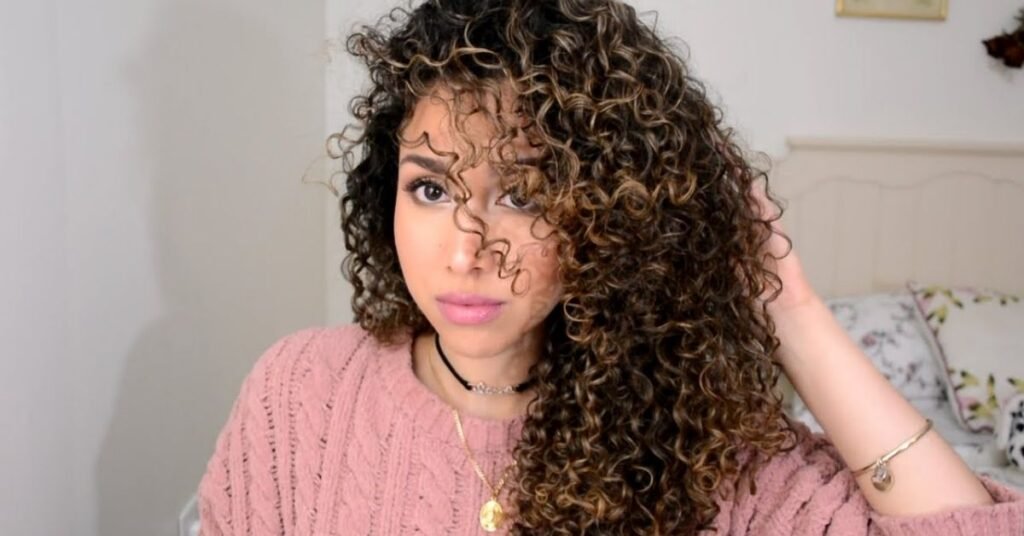
3C hair sits right in the sweet spot between wavy and coily. It’s the curl type that turns heads tight, springy curls that clump into gorgeous corkscrew curls with serious volume and undeniable personality. On the Andre Walker Hair Typing System, 3C natural hair lands at the far end of the Type 3 family, sitting just before the coily Type 4 range begins. The curl diameter is roughly the width of a pencil or a drinking straw. That tight spiral is what makes type 3C curls so distinct, so full, and let’s be honest so wonderfully high-maintenance.
What really defines 3C hair type goes beyond just the curl shape. Think high density, meaning lots of curly hair strands packed tightly together. Think natural curl pattern that bounces dramatically when touched. Think thick curly hair that loves moisture but loses it just as fast. The curl structure bends so tightly that your scalp’s natural oils can’t travel down the hair shaft easily which is why dryness is the number one complaint among people with 3C curly hair. Understanding these characteristics isn’t just interesting. It’s the foundation of every good decision you’ll ever make about your hair.
What Do 3C Curls Look Like?
Picture a spiral ringlet. Now make it tighter. That’s 3C curly hair in its simplest description. When wet, defined curls hang in beautiful, elongated spirals. When dry, those same curls contract dramatically sometimes pulling up by 50 to 70 percent of their actual length. That’s shrinkage, and it’s completely normal. It actually signals healthy curl elasticity, meaning your hair is well-moisturized and structurally sound.
Voluminous curls that form a halo of texture around the head? That’s classic 3C hair. The curl formation tends to clump naturally, especially when wet, creating those gorgeous defined curls that look almost intentional even on a lazy wash day. The texture ranges from medium to coarse. The curly hair density is usually high. And the overall visual effect when properly cared for is absolutely stunning.
Read More About: Trending Spring Outfits 2026 The Ultimate Street Style Guide
Type 3C Curls vs Other Curl Types (3A, 3B, 4A)
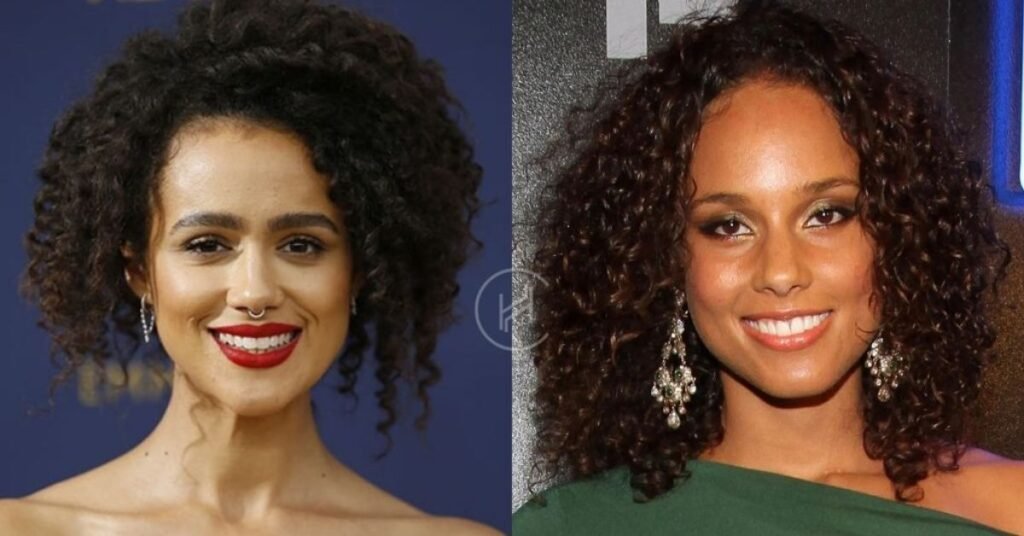
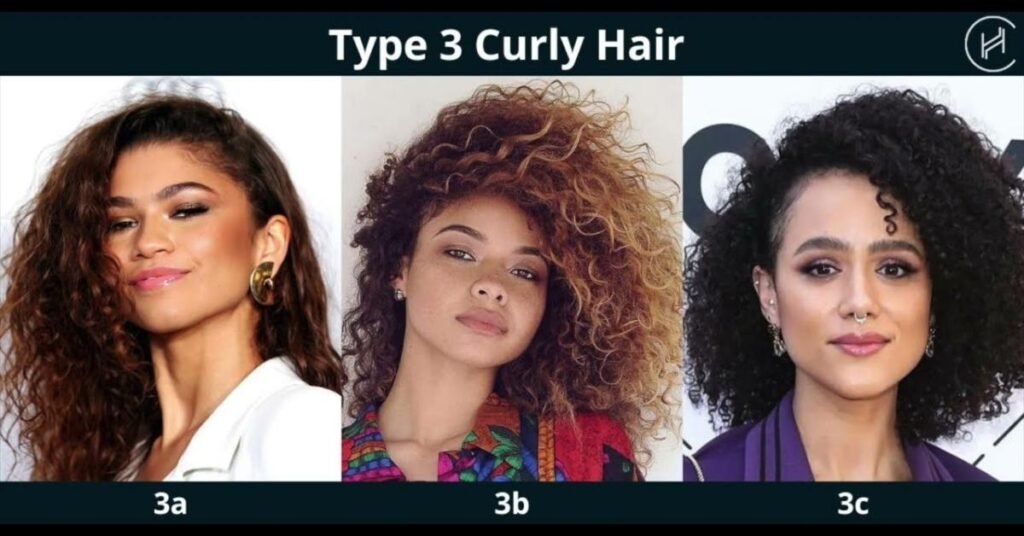
Here’s where people get confused. The curly hair pattern spectrum runs from loose waves all the way to tight coils, and the differences between neighboring types are subtle but significant. 3A hair gives you wide, loose S-shaped curls think big, romantic ringlets that barely need product. 3B curls are springier and tighter, with more body and more frizz control challenges. Then comes 3C natural hair the tightest of the Type 3 family, with coily curls that have real structure and serious curly hair density. Just past 3C sits 4A, where the curl tightens even further into defined coils with very little wave to speak of.
Why does this distinction matter? Because 3B hair might thrive on a lightweight curl cream while 3C hair needs something much richer. A sulfate free shampoo that works perfectly for 3A curls might not deliver enough cleansing for the denser 3C hair type. Getting your curl type right means you stop wasting money on products that weren’t built for your texture and start building a curly hair routine that actually works.
| Curl Type | Curl Shape | Diameter | Shrinkage | Moisture Need | Texture |
| 3A | Loose S-wave | Wide | Low | Moderate | Fine–Medium |
| 3B | Springy ringlet | Medium | Moderate | Moderate–High | Medium |
| 3C | Corkscrew spiral | Pencil-width | High (50–70%) | Very High | Medium–Coarse |
| 4A | Tight coil | Straw-width | Very High | Extremely High | Coarse |
How to Care for 3C Hair (Complete Routine)
Curly hair care for 3C natural hair isn’t complicated but it does require consistency. The tight curl structure of 3C hair means moisture escapes faster than it does in looser curl types. Your hair follicles produce sebum just like everyone else’s, but that oil never makes it past the first few bends of the curl. The result? Dry ends, frizzy mid-lengths, and a scalp that might actually feel oily while the rest of your hair feels like straw. Sounds frustrating. It is. But the right routine fixes all of it.
Building a solid curly hair care routine means thinking in two timeframes your daily habits and your weekly wash day routine. Daily care keeps existing moisture locked in. Weekly care replenishes what’s been lost and addresses buildup, tangles, and definition. Together, these two routines form the backbone of genuinely healthy 3C curly hair. Everything else the products, the tools, the styling supports these two pillars.
Daily Routine for 3C Curly Hair
Mornings with 3C natural hair don’t have to be a battle. The smartest thing you can do the night before is sleep on a satin pillowcase or tuck your curls into a silk bonnet. Cotton pillowcases are rough on the curl formation they pull moisture out and create friction that causes frizz and breakage overnight. A satin pillowcase or silk bonnet lets your corkscrew curls slide freely, preserving definition and retaining moisture while you sleep. That’s overnight hair care at its most effective one simple habit that changes your mornings completely.
In the morning, a curl refresh routine brings curls back to life without washing. Mix water and a small amount of leave in conditioner in a spray bottle. Spritz your curls lightly, scrunch upward from the ends, and let them re-clump. This reactivates any curl cream or gel from the day before. Add a tiny amount of fresh product only where needed usually the frizziest sections. Then either air drying curls works perfectly or diffuse briefly on low heat if you’re in a rush. That’s it. Simple, fast, effective.
Weekly Wash Day Routine for 3C Hair
Wash day is the most important weekly ritual for 3C hair type. Start with a pre-poo applying a natural oil like castor oil or coconut oil to dry hair before any water touches it. This protective layer prevents the shampoo from stripping too much moisture. Work it through from roots to ends, paying extra attention to the ends where dryness concentrates. Leave it for at least 30 minutes, or overnight if you have time. This single step dramatically reduces how much moisture your hair loses during cleansing.
Next comes cleansing with a sulfate free shampoo mandatory for 3C natural hair. Sulfates are effective cleansers, but they’re too aggressive for tight curly hair. They strip the natural oils your hair desperately needs and leave curly hair strands feeling rough and stripped. Use a sulfate free shampoo for regular wash days and rotate in a clarifying shampoo once a month to remove product buildup that gentler cleansers leave behind. After cleansing, apply a rich conditioner, detangling curly hair section by section with a wide-tooth comb while the conditioner sits on your strands. Rinse thoroughly. Then comes deep conditioning treatment more on that shortly.
Moisturizing 3C Hair Why It’s Essential
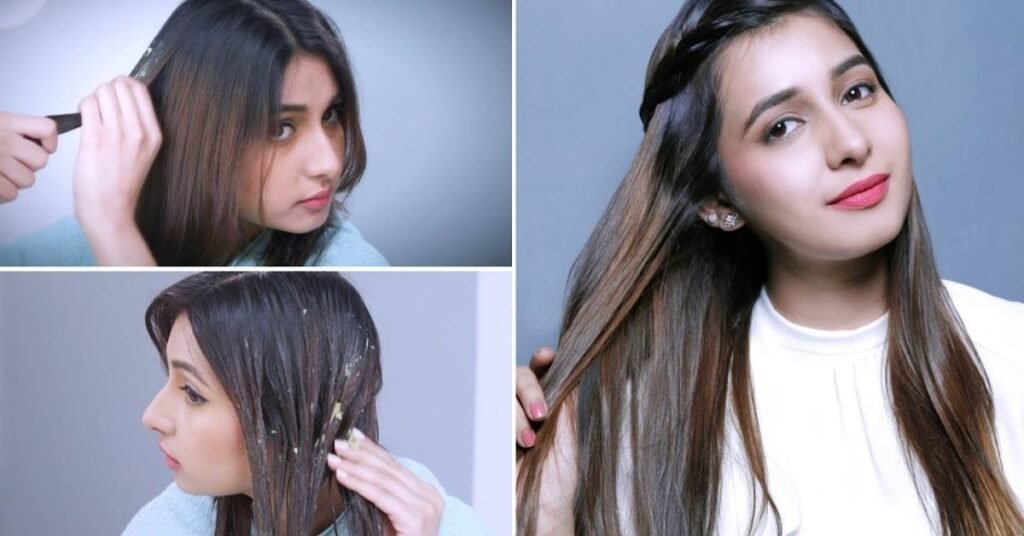
Curly hair hydration is everything for 3C natural hair. Here’s the science in plain terms. The tight curl structure of 3C hair creates multiple points where the hair cuticle lifts naturally. Every bend in that corkscrew curl is a potential exit point for moisture. This is why moisture retention is so much harder for 3C hair type than for straighter textures and why curly hair moisture needs constant, deliberate replenishment rather than occasional attention.
The gold standard method for curly hair hydration in 3C natural hair is the LOC method Liquid, Oil, Cream. Apply water or a water-based leave in conditioner first to hydrate the strand. Then apply an oil to seal that moisture in before it escapes. Finally, layer a curl cream on top to lock everything down and add definition. Some people with low porosity hair prefer the LCO order liquid, then cream, then oil because lighter products penetrate better before a heavier sealant goes on. Experiment with both and let your hair tell you which one it prefers.
Best Products for 3C Hair (Expert Picks)
Choosing curly hair products for 3C hair means looking for formulas that deliver serious curly hair hydration without weighing dense curls down. The wrong product leaves your hair either crunchy and stiff or limp and undefined. The right one enhances your natural curl pattern and keeps it looking fresh for days. The non-negotiables? Silicone free products, sulfate free shampoo, and enough moisture to genuinely satisfy thick curly hair that drinks up everything you give it. Here’s a breakdown by category.
Always check ingredients before buying. Marketing claims on the front of a bottle mean almost nothing. The ingredient list tells the real story. Look for humectants like glycerin and aloe vera near the top these ingredients attract moisture from the air into your curly hair strands. Look for emollients like natural oils and shea butter to seal. And look for film-forming agents like flaxseed or marshmallow root to define your 3C curls without stiffness.
Best Shampoos for 3C Hair
A good sulfate free shampoo cleanses 3C natural hair without destroying its moisture balance. Look for formulas that include aloe vera, panthenol, and glycerin all of which add back what cleansing takes away. SheaMoisture’s Manuka Honey & Mafura Oil Shampoo is a consistent favorite among the 3C hair type community for its rich formula that cleanses effectively while leaving curly hair strands feeling soft. Briogeo’s Curl Charisma Shampoo is another excellent option lightweight enough not to weigh dense curls down but thorough enough to actually clean.
For monthly deep cleansing, rotate in a clarifying shampoo to strip product buildup that accumulates even with gentle cleansing routines. Kinky Curly Come Clean is a popular choice it removes buildup completely without the harsh stripping effect of sulfate-heavy formulas. After a clarifying shampoo session, always follow with an intensive deep conditioning treatment to restore what the clarifier removed.
| Shampoo | Best For | Key Ingredients | Sulfate-Free |
| SheaMoisture Manuka Honey | Dry 3C hair | Manuka honey, mafura oil | Yes |
| Briogeo Curl Charisma | All 3C types | Rice amino acids, avocado | Yes |
| Kinky Curly Come Clean | Monthly clarifying | Sea kelp, mandarin | Yes |
| Ouidad Curl Immersion | Co-washing | Coconut milk, shea | Yes |
Best Conditioners for 3C Hair
Conditioner is where 3C natural hair gets the moisture it needs most. A rinse-out conditioner should have real slip meaning it makes detangling curly hair feel almost effortless. Aunt Jackie’s Quench Moisture Intensive Leave-In Conditioner is beloved for exactly that reason. TGIN Honey Miracle Hair Mask doubles as both a deep conditioning treatment and a regular conditioner, delivering intense moisture that thick curly hair genuinely absorbs. Kinky-Curly Knot Today has earned its cult status by delivering exceptional slip at an accessible price point.
Your deep conditioning treatment is the weekly investment that everything else depends on. Apply a generous amount after shampooing, cover with a plastic cap, and add heat either a warm towel, a hooded dryer, or simply sitting in a warm shower for 20 to 30 minutes. Heat opens the hair cuticle so the conditioner penetrates deeply rather than sitting on the surface. This is especially critical for low porosity hair, which naturally resists moisture absorption. Rinse with cool water at the end to close the cuticle and lock that moisture in.
Best Styling Products for 3C Curls
Curly hair styling for 3C natural hair lives and dies by two products a curl cream and a gel. The cream adds moisture and begins defining corkscrew curls. The gel provides hold and fights frizz control challenges throughout the day. Ecoslay Orange Marmalade is a gel-cream hybrid that’s become a community favorite for its ability to give 3C curls gorgeous definition without the dreaded crunchy cast. Camille Rose Curl Maker delivers a flexible hold that keeps springy curls bouncy rather than stiff.
Apply styling products on soaking wet hair this is non-negotiable for 3C hair type. Wet hair distributes product evenly and allows curl formation to happen naturally as hair dries. Scrunch product in from ends to roots, encouraging defined curls to clump together. Don’t touch your hair while it dries. Once fully dry, scrunch out any crunchiness with clean hands or a tiny drop of oil to reveal soft, defined curls underneath.
Common Problems with 3C Hair & How to Fix Them
Every person with 3C curly hair eventually runs into the same handful of problems. Hair breakage. Chronic dryness. Unmanageable frizz control challenges. Frustrating shrinkage that makes length gains invisible. These aren’t signs that your hair is damaged beyond repair they’re signs that your routine needs adjustment. The good news is that every one of these problems has a clear, practical solution rooted in understanding how 3C hair type actually works.
The most important mindset shift is this: 3C natural hair isn’t difficult. It’s just different. It operates by different rules than the straight hair most commercial products were originally designed for. Once you stop fighting those rules and start working with your natural curl pattern, the problems that once felt constant start to disappear one by one.
Breakage in 3C Hair: Causes & Solutions
Hair breakage in 3C natural hair usually traces back to three sources mechanical damage from rough handling, heat damage prevention failures, and protein imbalance. Every bend in a corkscrew curl is a structural weak point. Run a fine-tooth comb through dry 3C hair and you’ll hear it that snapping sound is hair breakage happening in real time. The fix starts with always detangling curly hair on wet, conditioner-coated strands. Finger detangle first to remove major knots gently. Then follow with a wide-tooth comb or a Denman brush, working from ends to roots.
Protein treatment is the other major key to reducing hair breakage in 3C hair type. Curly hair strands need a balance of moisture and protein too much moisture without protein makes hair limp and prone to snapping, while too much protein without moisture makes hair stiff and brittle. A light protein treatment like Aphogee 2 Minute Reconstructor every two to three weeks rebuilds curl structure at the strand level. Follow every protein treatment immediately with a rich deep conditioning treatment to restore the moisture balance.
Dryness & Frizz Control for 3C Curls
Dryness is the defining challenge of 3C hair care. The tight curl formation prevents natural oils from traveling down the curly hair strands so your ends are almost always thirsty regardless of how healthy your scalp health is. The solution is layering. Every wash day routine should end with the LOC method applied thoroughly from roots to ends. Between wash days, refreshing with a water-based spray keeps curly hair moisture levels stable without requiring full rewashing.
Frizz control for 3C natural hair requires understanding two different types of frizz. Dryness-related frizz happens when curly hair strands lack moisture the fix is more hydration. Humidity-related frizz happens when humectants in your products pull too much atmospheric moisture into the hair the fix is using anti-humectant products on high-humidity days, particularly in summer months across humid US cities like Houston, Miami, and New Orleans. Applying styling products on soaking wet hair, using a microfiber towel or old T-shirt to blot (never rub), and diffuser drying on low heat all dramatically reduce frizz regardless of its cause.
Shrinkage in 3C Hair Explained
Shrinkage shocks people. You grow your 3C natural hair for months, reach what feels like a significant length milestone, and then wash it only to watch it pull up to what looks like half its dry length. That’s shrinkage doing what it does. For 3C hair type, shrinkage commonly reduces apparent length by 50 to 70 percent. A woman with 3C curly hair down to her shoulders might look like she has chin-length hair after washing. It’s disheartening if you don’t understand what it means.
Here’s the reframe: shrinkage in 3C natural hair signals healthy curl elasticity. Hair that stretches and returns to its coiled shape without snapping is hair with good moisture levels and intact protein structure. The problem isn’t shrinkage itself it’s when shrinkage makes length feel invisible and progress feel impossible. The solution is heat damage prevention-conscious stretching methods that elongate dense curls without a flat iron. Banding wrapping small hair ties along the length of sectioned hair while damp gently stretches as it dries. Twist out and braid out styles also reduce shrinkage while adding beautiful definition.
Understanding 3C Hair Porosity (High vs Low)
Hair porosity describes how well your 3C hair absorbs and holds moisture and it matters more than almost any other factor in curly hair care. The curl structure of 3C natural hair naturally creates lifted hair cuticle layers at every bend, which is why 3C hair often skews toward high porosity hair. But plenty of people with 3C curls have low porosity hair and the routines that work for high porosity hair can actually make low porosity hair worse.
High porosity hair absorbs moisture quickly but loses it just as fast. It responds well to heavier products, protein treatment regularly, and sealants like castor oil or shea butter. Low porosity hair takes time to absorb moisture but holds it well once it’s in. It responds better to lightweight products, heat during deep conditioning treatment, and humectants like glycerin and honey. Knowing your hair porosity lets you stop guessing and start building a curly hair care routine that actually delivers results.
How to Test Your Hair Porosity
The float test is the easiest starting point. Take a clean, dry strand of 3C natural hair no product on it and drop it into a glass of room-temperature water. Watch it for two to three minutes. If it floats on the surface, you likely have low porosity hair. If it sinks quickly to the bottom, high porosity hair is probable. If it hovers in the middle, you’re in the medium porosity range.
Cross-reference that result with how your hair actually behaves. Does it take forever to get fully wet in the shower? That’s low porosity hair resisting water. Does it dry very quickly after washing? That’s high porosity hair releasing moisture fast. Does product buildup accumulate rapidly even with lightweight products? Again, likely low porosity hair where products sit on top rather than absorbing. Use both the float test and your real-world observations together for the most accurate read on your hair porosity.
Read More About: Hair Dye Best Brands, Shades, Types & At-Home Coloring Guide (2026)
Best Routine for High Porosity 3C Hair
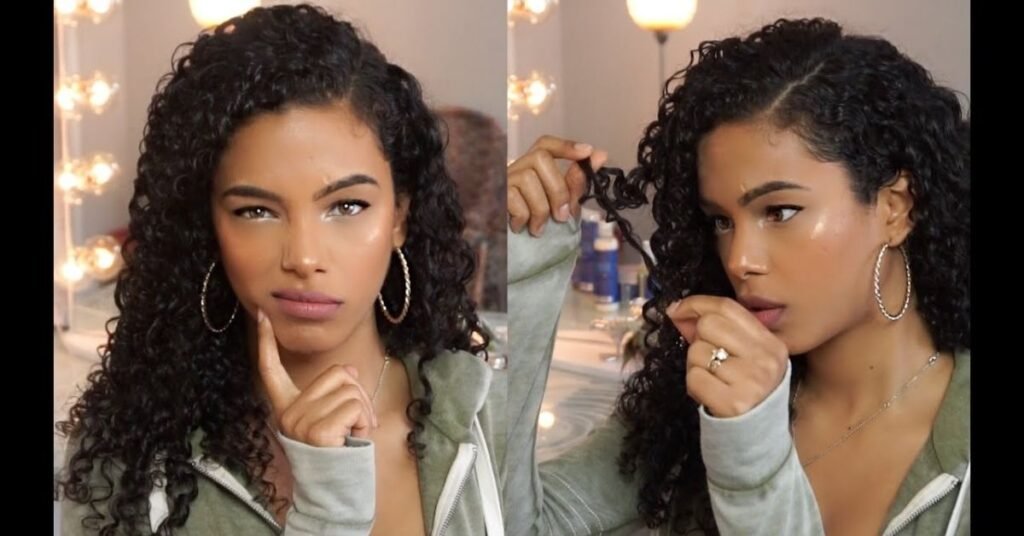
High porosity hair in 3C natural hair needs a routine built around sealing. Because the hair cuticle is open and rough, moisture enters easily but escapes just as easily. The weekly wash day routine for high porosity 3C hair should include a protein treatment every two to three weeks (light formulas like Aphogee 2 Minute or Briogeo Don’t Despair Repair) to fill gaps in the curl structure and temporarily smooth the cuticle. Follow every protein treatment immediately with a rich deep conditioning treatment to balance the protein with moisture.
Seal aggressively. After applying a leave in conditioner, layer a heavier oil like Jamaican black castor oil or avocado oil over it before your curl cream. These heavier natural oils create a barrier that slows moisture loss from the open cuticle. Always finish your wash day with a cold water rinse it helps temporarily close the cuticle and boosts moisture retention dramatically. Sleep in a silk bonnet every night to protect high porosity hair from friction and additional moisture loss.
Best Hairstyles for 3C Hair
3C natural hair is extraordinarily versatile. The tight corkscrew curls hold styles beautifully, whether you’re working with your natural curl pattern or manipulating it into something different. Wash-and-go looks show off the curl definition at its best. Protective hairstyles give your curly hair strands a break from daily manipulation. And stretched styles reveal the true length that shrinkage so often hides. The key is rotating between styles rather than defaulting to one look every day variety reduces hair damage and supports curly hair growth by keeping stress off the same sections repeatedly.
Every hairstyle decision for 3C hair type should factor in your current curly hair health and scalp health. If you’ve been experiencing hair breakage, a period of gentle protective hairstyles might serve your hair better than elaborate daily styling. If your hair is thriving, experimenting with different styling techniques is exactly how you discover what your specific 3C curls love most.
Hairstyles for Long 3C Hair
Long 3C natural hair opens up a spectacular range of style options. The wash-and-go is the everyday workhorse wet hair, apply products, go. For a more polished version, finger coiling individual sections creates uniform, perfectly defined corkscrew curls that look almost editorial. A high puff with stretched edges achieved by smoothing the edges with a soft brush and light gel is a classic protective option that keeps ends tucked while showing off volume. Half-up, half-down styles work beautifully with long 3C curly hair, letting the bottom half hang in full, voluminous curls while the top is secured in a bun or puff.
Twist out on long 3C hair is one of the most rewarding styles you can attempt. Two-strand twist damp hair with a curl cream, allow to fully dry (either air drying curls overnight or diffuser drying completely), and unravel gently with oiled fingertips. The result is stretched, beautifully defined waves that reveal real length and last several days with proper overnight hair care using a satin pillowcase. The longer your hair, the more dramatic and gorgeous the twist out result.
Protective Styles for 3C Hair
Protective hairstyles are the secret weapon behind most length retention success stories in the 3C natural hair community. When your ends are tucked away and your hair isn’t being manipulated daily, hair breakage drops dramatically. Box braids, two-strand twists, cornrows, Bantu knots, and installing a wig over your natural 3C curls all qualify as protective hairstyles because they reduce friction, retain moisture, and minimize the daily stress on your curly hair strands.
The mistake most people make with protective hairstyles is neglecting scalp health while in a style. Your scalp still needs moisture and circulation regardless of what’s happening with the hair above it. Use a diluted leave in conditioner in a spray bottle to mist your scalp between wash days. Massage natural oils like jojoba or peppermint-infused oil into your scalp to support hair follicles and curly hair growth. And never leave a protective hairstyle in longer than six to eight weeks extended wear leads to matting, severe tangling, and the exact hair breakage you were trying to prevent.
Low-Maintenance Styles for 3C Curls
Not every day calls for elaborate curly hair styling. Sometimes you need something beautiful that takes ten minutes, not two hours. The wash-and-go is the reigning champion of low-maintenance 3C natural hair styling apply your products to soaking wet hair, scrunch, and let your natural curl pattern do the rest. Combined with proper overnight hair care (a silk bonnet and the pineapple method loosely gathering hair at the top of your head before bed), a single wash-and-go can last three to five days with daily curl refresh routine maintenance.
The braid out is another genuinely low-maintenance option that delivers high results. Braid damp hair in four to eight large sections with curl cream applied, let dry completely, unravel carefully, and separate gently with oiled hands. The result is a stretched, textured style that reduces shrinkage, shows off length, and lasts multiple days. It requires investment on wash day but pays off with minimal daily effort afterward exactly the kind of trade-off that makes curly hair maintenance sustainable for busy people.
Best Hair Tools for 3C Hair
The right tools matter as much as the right products for 3C natural hair. A fine-tooth comb on thick curly hair doesn’t just fail to work it actively causes hair breakage and hair damage. A regular terry cloth towel doesn’t just fail to control frizz it roughens the hair cuticle and destroys curl definition. Every tool that regularly touches your 3C curls should be specifically suited to tight curly hair‘s unique structure and needs.
Invest in quality tools and treat them as part of your curly hair care arsenal. A good diffuser drying attachment, a seamless wide-tooth comb, a quality brush for defining, and a microfiber towel or cotton T-shirt for blotting these four items alone transform the wash day experience for 3C hair type. They reduce hair damage, cut drying time, improve curl definition, and make the whole curly hair routine significantly more enjoyable.
Diffusers, Combs & Brushes for 3C Curls
Diffuser drying is the single most important tool upgrade you can make for 3C natural hair. A diffuser attachment disperses the dryer’s airflow across a wider area, allowing dense curls to dry without the direct blast that causes frizz and disrupts curl formation. Use your diffuser on the lowest heat and lowest speed settings. Cup sections of hair into the diffuser bowl and hold for 30 to 45 seconds before moving to the next section. This technique called “pixie diffusing” in the 3C curly hair community produces incredible curl definition with minimal frizz.
For detangling curly hair, a seamless wide-tooth comb is your best friend. Seamless means no seam running along the inside of the comb teeth that seam is where regular combs snag and cause hair breakage. The Denman D3 Classic Styling Brush is beloved for finger coiling and defining individual corkscrew curls while distributing product evenly. The Felicia Leatherwood Detangler Brush is another community favorite that detangles 3C natural hair with significantly less breakage than traditional brushes.
| Tool | Purpose | Why It Matters for 3C Hair |
| Hooded diffuser | Diffuser drying | Protects curl formation during drying |
| Seamless wide-tooth comb | Detangling curly hair | Prevents hair breakage at snag points |
| Denman D3 Brush | Defining and styling | Distributes product, enhances curl definition |
| Microfiber towel | Blotting after washing | Reduces frizz vs. regular terry cloth |
| Satin pillowcase / Silk bonnet | Overnight hair care | Protects curly hair strands from friction |
Ingredients to Look for (and Avoid) in 3C Hair Products
Reading ingredient labels changes everything. The front of a curly hair products bottle tells you the brand’s story. The ingredient list tells you the truth. For 3C natural hair, certain ingredients are genuinely game-changing while others despite showing up in bestselling products actively work against curly hair health. Learning to distinguish between the two is one of the highest-leverage skills in curly hair care.
The hierarchy of ingredients matters too. Ingredients appear on labels in order of concentration highest to lowest. A deep conditioning treatment with water listed first, then shea butter second, contains significantly more shea butter than one where it appears tenth on a thirty-ingredient list. The closer a beneficial ingredient sits to the top of the list, the more of it you’re actually getting in that product.
Best Natural Ingredients for 3C Hair
Glycerin is a powerhouse humectant that draws moisture from the surrounding air directly into curly hair strands. It’s one of the best moisture-attracting ingredients available for 3C natural hair particularly effective in moderate humidity conditions. Aloe vera hydrates the strand and soothes the scalp simultaneously, making it excellent for scalp health and curly hair hydration. Shea butter is the quintessential emollient for thick curly hair it’s rich enough to genuinely seal moisture into dense curls without feeling sticky.
Castor oil, particularly Jamaican black castor oil, has earned its legendary status in the 3C natural hair community for good reason. Its thick, heavy viscosity makes it an exceptional sealant, and many people report improved curly hair growth and hair follicle health with consistent scalp application. Argan oil adds shine and softness without weighing corkscrew curls down. Hydrolyzed keratin and hydrolyzed silk protein both strengthen the curl structure at the molecular level making them ideal ingredients in any protein treatment targeting hair breakage and hair damage.
Harmful Ingredients to Avoid
Sulfates specifically sodium lauryl sulfate and sodium laureth sulfate strip natural oils from 3C natural hair with aggressive efficiency. They’re effective cleansers for oily scalps and straight hair but genuinely damaging to curly hair texture that already struggles with moisture. A sulfate free shampoo is non-negotiable for consistent curly hair health. Drying alcohols isopropyl alcohol, SD alcohol 40, alcohol denat are the hidden saboteurs in many styling products. They evaporate quickly and pull moisture out of curly hair strands as they go, creating the illusion of drying fast while actually causing long-term dryness.
Silicones present a more nuanced challenge. Not all silicones are harmful some water-soluble versions rinse out easily. But heavy, non-water-soluble silicones like dimethicone and cyclomethicone coat the curly hair strands with a layer that feels smooth initially but accumulates as product buildup over time. This buildup eventually blocks moisture from penetrating the strand meaning your leave in conditioner, curl cream, and deep conditioning treatment all become less effective. Using silicone free products eliminates this cycle entirely. Mineral oil and petrolatum face a similar issue they coat without penetrating, creating buildup without delivering genuine curly hair moisture.
3C Hair Growth Tips (How to Grow Long 3C Hair Fast)
Here’s a truth that the 3C natural hair community sometimes learns the hard way. Curly hair growth rate is genetic most hair grows roughly half an inch per month regardless of curl type. Products that claim to dramatically accelerate growth beyond that rate are overwhelmingly overselling their actual effects. What varies dramatically between people with 3C hair isn’t growth rate it’s length retention. Your hair might be growing consistently while hair breakage at the ends eliminates every inch gained, leaving length seemingly frozen.
Scalp health is where genuine hair growth tips begin. Healthy hair follicles produce healthy curly hair strands. A scalp health routine that includes regular massages with natural oils castor oil, jojoba, or peppermint diluted in a carrier oil increases blood circulation to the scalp and creates the conditions where hair follicles can function optimally. Diet matters too. Curly hair growth depends on adequate protein, iron, zinc, vitamin D, and biotin deficiencies in any of these can slow hair growth tips‘ effectiveness considerably. If you suspect a deficiency, consult a doctor before supplementing.
How to Retain Length with 3C Hair
Length retention is the real curly hair growth strategy for 3C natural hair. Five habits make the biggest difference. First consistent moisture retention through the LOC method keeps curly hair strands flexible and resistant to breakage. Second protective hairstyles that tuck ends away reduce the mechanical damage that eliminates length gains. Third satin pillowcase or silk bonnet use every single night prevents the friction-based hair damage that happens invisibly while you sleep.
Fourth trimming split ends every eight to twelve weeks removes damage before it travels up the strand and causes more significant hair breakage. A trim feels like losing progress but it’s actually protecting it. Fifth minimizing heat damage prevention failures by limiting flat iron and blow dryer use to special occasions only. Diffuser drying and air drying curls are the daily norms for anyone serious about length retention with 3C natural hair. Implement all five habits consistently and length gains that previously seemed impossible become genuinely achievable.
FAQ
Is 3C Hair Rare?
3C hair is not rare at all. It’s one of the most prevalent curl types among Black women, mixed-heritage individuals, and multiracial communities across the United States. What made it feel rare for years was the absence of mainstream conversation around curly hair texture and curl typing systems. The natural hair movement which gained enormous momentum in the US through the 2010s and continues growing today brought 3C natural hair into mainstream visibility and celebration. Walk through any major US city today and 3C curls are everywhere.
How Do I Know If I Have 3C Hair?
Look at your natural curl pattern on clean, product-free, fully dry hair. If your curls spiral into tight corkscrew curls roughly the width of a pencil or drinking straw, and clump together into defined curls with noticeable shrinkage when dry that’s 3C hair type. If the spiral is wider and looser, you’re probably in 3B territory. If the pattern is tighter with less visible definition when dry, you may be edging into 4A. You can also compare photos of each curl type from hair typing charts developed by naturalistas and hair professionals visual comparison is often the clearest tool.
Can 3C Hair Become 4A?
Your natural curl pattern is determined by genetics the actual shape of your hair follicles and doesn’t permanently change on its own. However, 3C curls can temporarily appear tighter when the hair is well-hydrated and healthy, because proper moisture retention allows the curl structure to fully express itself. Heat damage from flat irons or blow dryers, on the other hand, can permanently alter 3C curly hair toward a looser, less defined pattern. Chemical processing can similarly alter the curly hair texture. Protecting your natural curl pattern through consistent heat damage prevention and avoiding harsh chemicals is how you keep your 3C hair behaving as nature intended.
How Often Should You Wash 3C Hair?
Most people with 3C natural hair do best washing once a week or once every two weeks. Washing too frequently strips the natural oils that already struggle to reach the ends of tight curly hair leaving curly hair strands chronically dry and prone to hair breakage. Co washing using conditioner instead of shampoo between full wash days refreshes the scalp and curly hair strands without the moisture-stripping effect of shampoo. Your personal ideal wash day routine frequency depends on your scalp’s oiliness, how much you sweat, and how much product buildup your styling routine creates. Listen to your hair it tells you when it needs washing.
Conclusion
3C natural hair is genuinely magnificent. The corkscrew curls, the voluminous curls, the way defined curls catch the light it’s a curly hair texture worth understanding deeply and caring for thoughtfully. Everything in this guide connects back to one central truth: 3C curly hair rewards intentionality. The more you understand your curl structure, your hair porosity, and your hair’s specific relationship with moisture and protein, the easier every product decision, every wash day routine, and every styling choice becomes.
Start small. Don’t try to overhaul your entire curly hair routine overnight. Pick one thing from this guide test your hair porosity tonight, try the LOC method on your next wash day, or swap your current shampoo for a sulfate free shampoo this week. One change, implemented consistently, will show you more progress than ten changes made sporadically. Your 3C curls are already beautiful. With the right knowledge and routine behind them, they’re about to become extraordinary.


